Townhouses, brownstones, and rowhouses are ubiquitous residential building types in New York City and other historic urban environments throughout the Northeast. These terms describe attached urban homes with distinct architectural characteristics related to building form, façade material, and urban configuration. In neighborhoods throughout Manhattan, Brooklyn, and others, these building types shape the architectural identity of entire streets and historic districts.
A townhouse is an attached urban residence, a rowhouse is a home constructed as part of a continuous row of houses, and a brownstone is a townhouse built with a brown sandstone façade. A single property may accurately fit multiple definitions at the same time. These distinctions are important in architecture, preservation, real estate, renovation planning, and landmark review because they relate directly to building typology, construction methods, façade materials, and urban design.
I am Jorge Fontan, owner of Fontan Architecture, a Manhattan-based architecture firm specializing in high-quality residential projects. Our firm works extensively on various residential projects including townhouses, brownstones, and historic urban homes throughout New York City.
Table of Contents
What is a Townhouse?
A townhouse is an attached urban residence located in a city or town. Townhouses are typically narrow buildings attached to neighboring structures on one or both sides and organized vertically across multiple floors. Historically, townhouses developed as a highly efficient residential building type within dense urban environments.
Many townhouses share structural masonry walls with adjacent buildings known as party walls. These homes often feature stoops, raised parlor levels, basement service floors, and vertically layered floor plans that reflect historic urban living patterns.
In New York City, townhouses appear in a wide range of architectural styles including Federal, Greek Revival, Italianate, Neo-Grec, Romanesque Revival, and Beaux-Arts. Common exterior materials include brick, limestone, and brownstone. Townhouses remain one of the most desirable residential property types in Manhattan and Brooklyn because of their scale, privacy, street presence, and architectural character.
What is a Brownstone?
A brownstone is a townhouse constructed with a brown sandstone façade. Brownstone became a widely used façade material during the 19th century because it could be quarried efficiently and carved into detailed architectural ornamentation. The material became strongly associated with upscale urban residential architecture in New York City and Brooklyn.
Brownstones frequently feature carved lintels, stoops, cornices, bay windows, and highly articulated entry compositions. The warm tonal quality of the stone contributes significantly to the visual character of historic brownstone neighborhoods.
The term brownstone refers specifically to the façade material rather than the urban housing type itself. Many brownstones are also rowhouses and townhouses. In architectural terminology, the defining characteristic of a brownstone is the use of brown sandstone on the exterior façade.
Brownstone restoration and renovation projects often require careful coordination of masonry repair, façade preservation, waterproofing, structural upgrades, and landmark compliance. Material continuity and façade detailing are important considerations when working on historic brownstone properties.
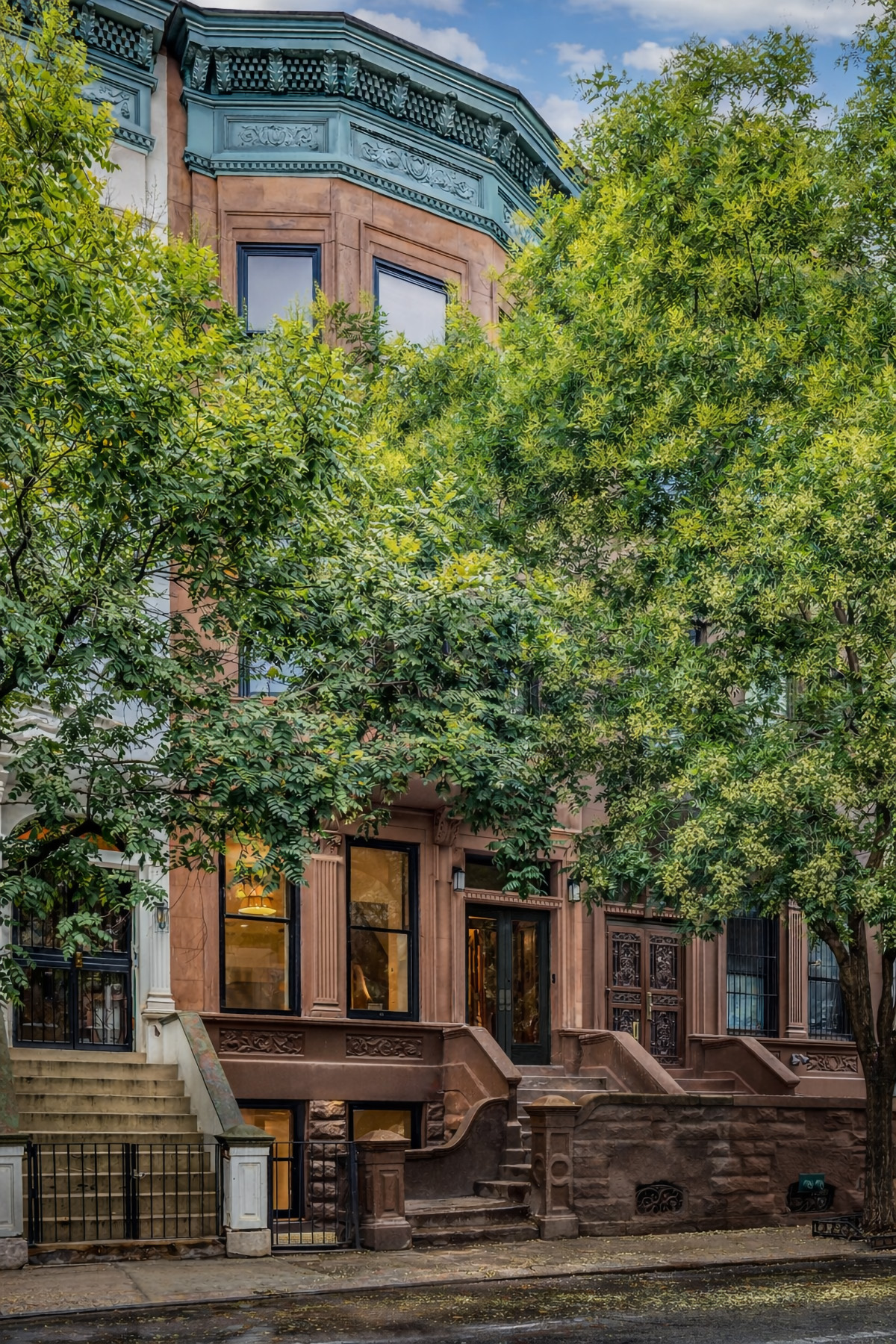
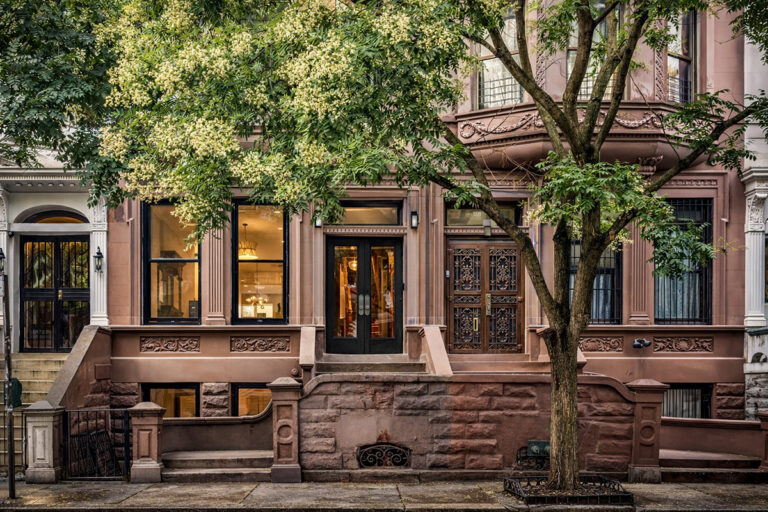
Brownstone in NYC
What is a Rowhouse?
A rowhouse is a house constructed as part of a continuous row of attached homes. Rowhouses share side walls and are typically designed together as a unified architectural composition along a street.
This housing configuration creates strong urban continuity and efficient land use while establishing a consistent streetscape rhythm. Interior rowhouses are attached on both sides, while end houses are attached on one side only.
Rowhouses are common throughout historic urban neighborhoods because they create density while maintaining individual residences with direct street access. In many cities, entire blocks were designed as coordinated rows with consistent cornice lines, façade proportions, window alignments, stoops, and setbacks.
The term rowhouse describes the organizational arrangement of the homes rather than the material or architectural style. A rowhouse may be built of brick, limestone, brownstone, stucco, or other façade materials.
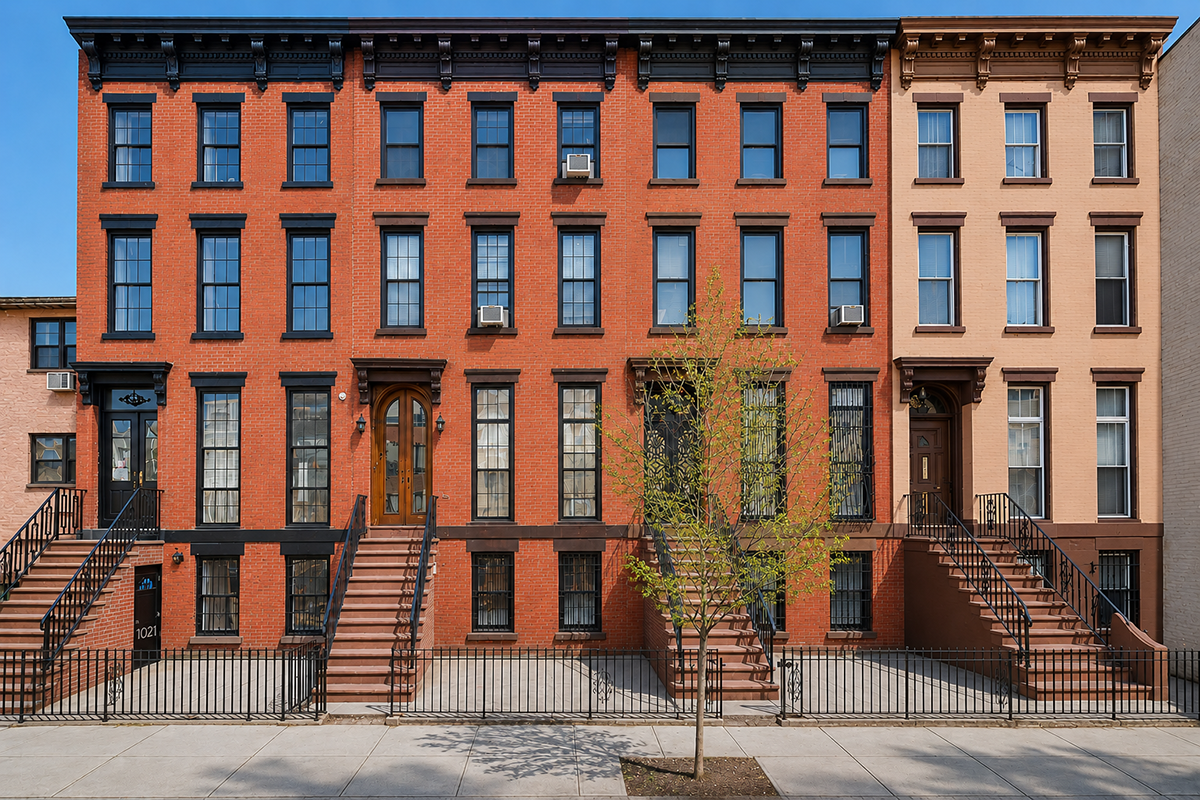
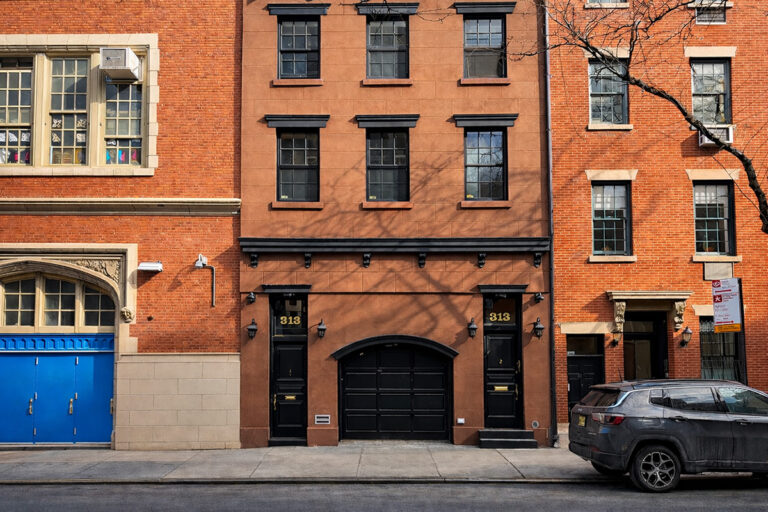
NYC Townhouses (Also Row Houses)
Brownstone vs Townhouse
A brownstone is a townhouse constructed with a brown sandstone façade. Townhouses may be constructed with a variety of materials including brick, limestone, terra cotta, stucco, masonry combinations, and brownstone.
The distinction between the two terms relates to materiality and architectural classification. Brownstone identifies the façade material, while townhouse identifies the urban residential building type.
Townhouse vs Rowhouse
A townhouse is an attached urban residence, while a rowhouse describes a townhouse constructed as part of a continuous row of homes. The distinction relates primarily to urban configuration and street composition.
Rowhouses are designed collectively as part of a larger streetscape composition. Townhouses may also exist in configurations where neighboring structures are mixed-use buildings or non-residential structures.
In practical use, the terms townhouse and rowhouse are often closely related because many historic townhouses were built as part of coordinated rows. In architectural terminology, however, rowhouse specifically describes the linear arrangement of the buildings.
Below is a townhouse rendering we designed for a rebuild within a historic landmark district in the Upper East Side of Manhattan, NYC. This townhouse is designed in limestone and bronze.
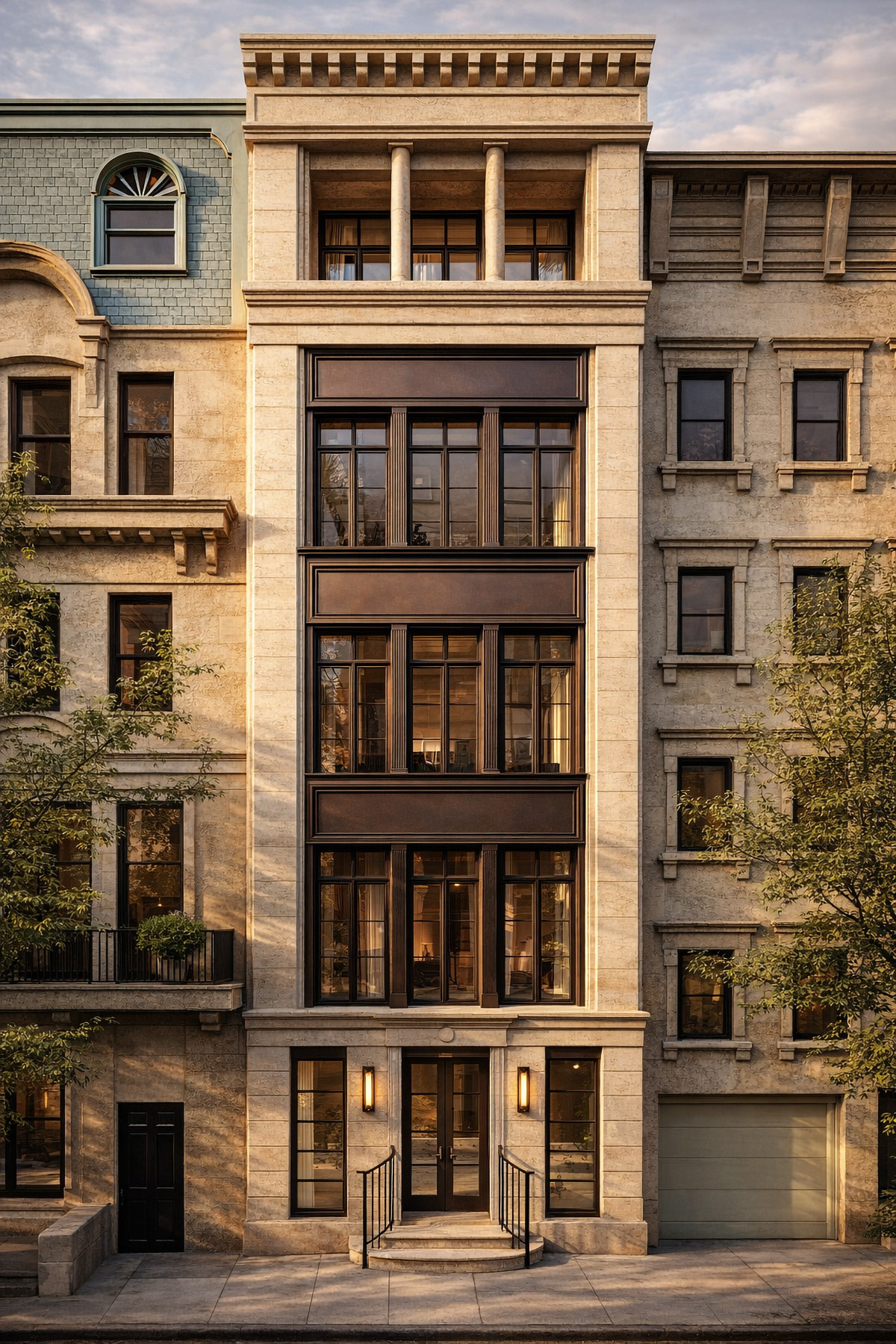
New Manhattan Townhouse Design
Townhouse and Brownstone Renovations in NYC
Townhouse and brownstone renovations in New York City require a high level of architectural coordination because these buildings combine historic construction methods with contemporary performance expectations. Many properties contain aging structural systems, masonry bearing walls, wood framing, steel lintels, historic stair configurations, and layered building modifications accumulated over decades or centuries.
Projects frequently involve structural alterations, rear extensions, rooftop additions, façade restoration, interior reconfiguration, mechanical system upgrades, waterproofing improvements, and landmark approvals. These renovations require careful coordination between architecture, engineering, preservation requirements, and construction execution.
Many townhouses and brownstones are located within historic districts regulated by the New York City Landmarks Preservation Commission. Exterior work may require review and approval depending on the scope and visibility of the proposed alterations.
At the highest level of townhouse renovation, architecture involves more than preservation alone. Successful projects integrate historic character with contemporary living standards through thoughtful planning, proportion, material selection, and technical precision. High-end townhouse renovations often incorporate custom millwork, refined stone detailing, integrated lighting, advanced mechanical systems, and carefully coordinated spatial sequences that support modern lifestyles while preserving architectural integrity.
Understanding Historic Urban Housing Types
Townhouses, brownstones, and rowhouses each describe specific architectural and urban conditions that contribute to the character of historic cities. A townhouse is an attached urban residence, a rowhouse is part of a continuous row of homes, and a brownstone is defined by its brown sandstone façade. These classifications often overlap within historic New York City neighborhoods.
Understanding these distinctions provides clarity when discussing architecture, historic preservation, townhouse renovations, landmark properties, and residential real estate. The terminology also reflects meaningful differences in building material, urban planning, architectural character, and construction history.
Fontan Architecture works on high-end townhouse and brownstone renovations throughout New York City. Our firm approaches these projects through an integrated architectural process that combines design development, technical coordination, landmark considerations, zoning analysis, and construction execution. We develop bespoke residential environments tailored to each client while carefully balancing architectural character, proportion, material quality, and modern performance requirements.
Request a Consultation with Fontan Architecture - 212 321 0194
Jorge Fontan, AIA, is an architect and founder of Fontan Architecture based in New York City. The firm focuses on residential design, including new homes and extensive renovations for discerning clients. Through collaborative dialogue that draws on the individuality of each client, projects develop as distinct architectural responses guided by thoughtful planning, precise detailing, and a commitment to creating enduring value.
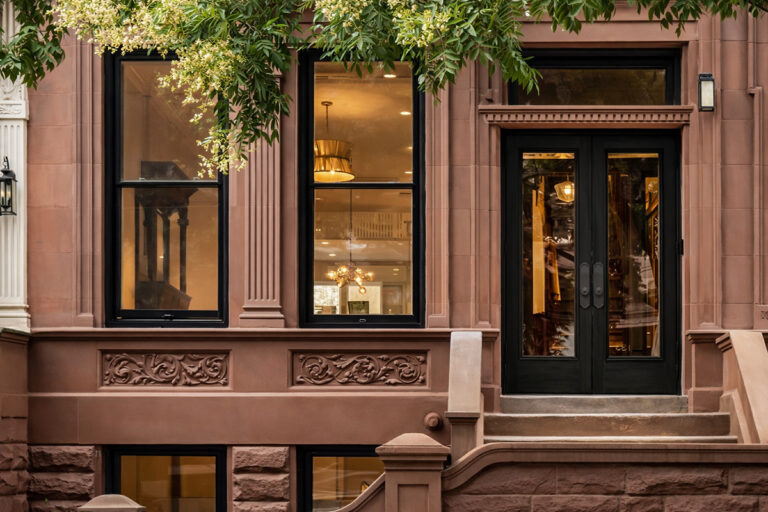
Jorge Fontan, AIA, is an architect and founder of Fontan Architecture based in New York City. The firm focuses on residential design, including new homes and extensive renovations for discerning clients. Through collaborative dialogue that draws on the individuality of each client, projects develop as distinct architectural responses guided by thoughtful planning, precise detailing, and a commitment to creating enduring value.