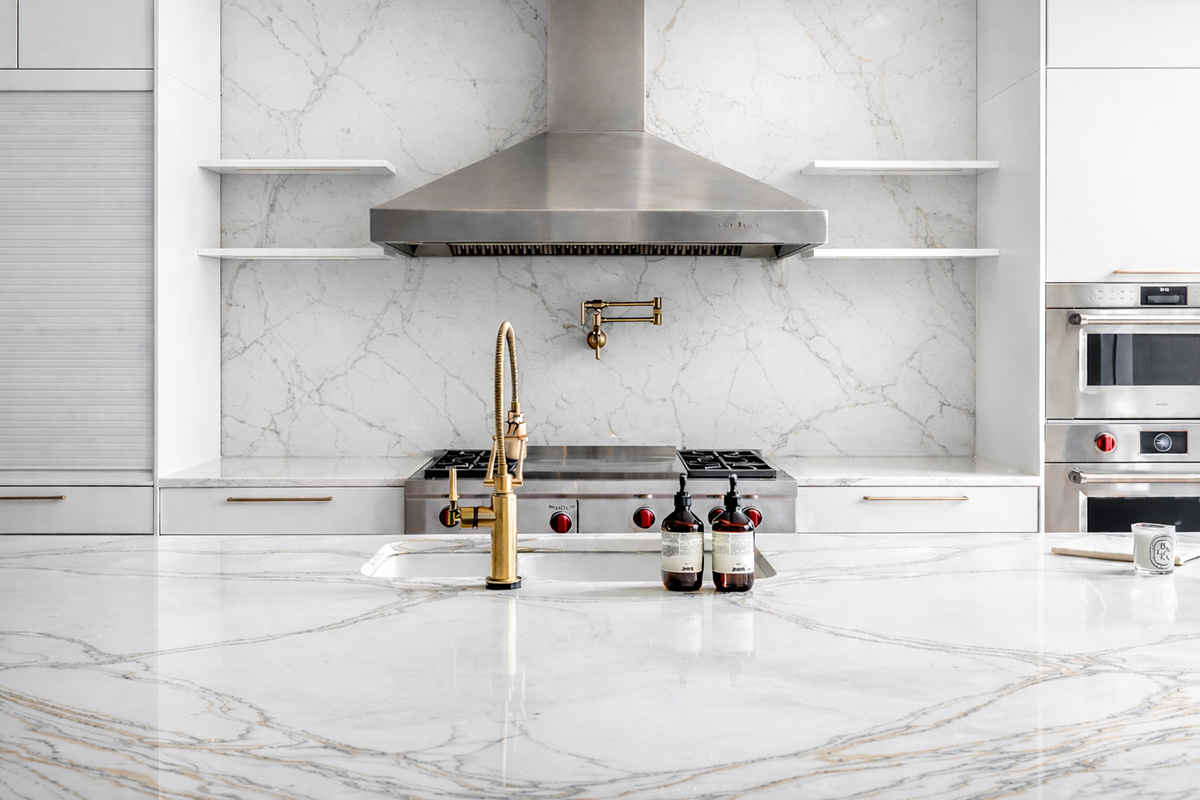
In New York City, a $3–5 million townhouse renovation represents a high-end architectural project involving a comprehensive scope of work, coordinated design development, and a consistent level of quality throughout the home for typical-sized townhouses and brownstones.
A $3–5 million townhouse renovation in NYC typically supports a full gut renovation of a 3,000 to 6,000 square foot home, including extensive layout reconfiguration, upgraded building systems, high-quality materials, and a personalized approach to architectural detailing and interior design. This budget range allows for a more complete realization of design intent, with a greater degree of customization and consistency across all spaces.
I am Jorge Fontan, owner of Fontan Architecture, a Manhattan-based architecture firm specializing in high-end residential renovations. Our work focuses on complex apartment, loft, townhouse, and brownstone renovations in New York City, with an emphasis on thoughtful design, detailed documentation, and careful coordination throughout construction. In this article, I will outline what a $3–5 million townhouse renovation typically encompasses, along with the primary factors that influence cost, scope, and project strategy.
Table of Contents
Size of the Home and Budget Relationship
In our experience renovating townhouses and brownstones across New York City, homes between approximately 3,000 and 6,000 square feet commonly align with a $3–5 million renovation budget in the current market.
Projects at this scale typically include:
- Full gut renovation with reconfigured floor plans
- Comprehensive mechanical, electrical, and plumbing system upgrades
- Custom kitchens and bathrooms throughout the home
- New flooring and finishes across all levels
- Coordinated architectural lighting design
- High-quality finishes applied consistently across the project
As square footage increases, maintaining a consistent level of finish and detailing across the entire home becomes a primary driver of cost. Larger homes within this range often require careful coordination to ensure that design quality is maintained across all floors and spaces.
The scope of work, level of architectural refinement, material quality, craftsmanship, and total square footage are the primary factors that determine final project cost.
Scope of Work at the $3–5 Million Renovation Level
A $3–5 million budget supports a full gut renovation with a high degree of flexibility in layout, structural modifications, and overall project scope.
Typical scope includes:
- Removal of non-load-bearing and supporting interior walls
- Structural modifications to support new layouts
- Relocation and expansion of kitchens and bathrooms
- Creation of primary bedroom suites and secondary bedrooms
- Addition of bathrooms and powder rooms
- Comprehensive system upgrades including electrical, plumbing, HVAC, and home automation systems
- Integration of architectural elements throughout the home
At this level, projects are less constrained by basic scope limitations and instead focus on achieving a cohesive architectural solution. Layout decisions are driven by design intent and client needs rather than strict budget constraints. Budgets exceeding $3 million typically support a more fully developed and customized design approach, with greater integration across all aspects of the project. A defining characteristic of higher-budget projects is the level of customization and personalization to the owner’s needs and preferences.
Customization and Design
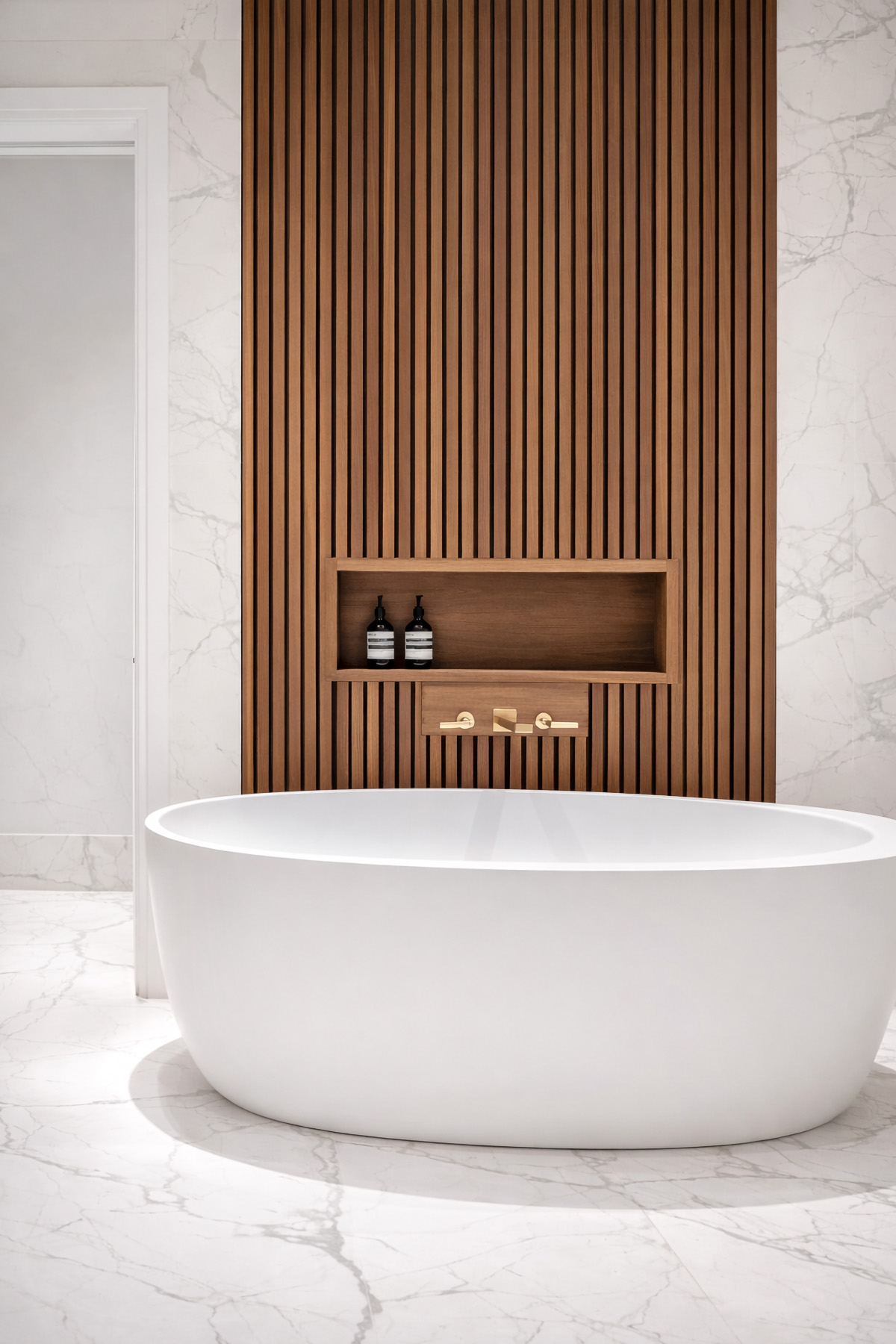
At the $3–5 million renovation level, customization becomes a defining aspect of the project. Design is developed as a coordinated system, with elements tailored to the client’s requirements and preferences.
Customization at this level typically includes:
- Fully custom or semi-custom millwork throughout the home
- Integrated storage, wardrobes, and built-in elements
- Coordinated kitchen design with integrated appliances
- Architectural lighting integrated into ceilings and millwork
- Refined detailing at key transition points
- Integration of custom-designed home offices, libraries, or media spaces
Refined detailing—such as flush baseboards, frameless doors, shadow gaps, and precise material transitions for modern homes are or highly ornate decorative elements in more traditional homes can be added at this level. These elevated detailing strategies require extensive design development and close coordination during construction with a meticulous attention to detail.
Projects in this range move toward a more bespoke and integrated architectural approach, with design decisions informed by spatial relationships, proportion, and material consistency. While not every element is fully custom, the overall design reflects a higher level of integration and intentionality.
Design Enhancements and Budget Impact
At the $3–5 million renovation level, projects can incorporate a wider range of design enhancements, often including multiple elements within a single scope.
Common enhancements include:
- Roof deck construction and access improvements
- Rear yard or vertical additions
- Installation of residential elevators
- Façade restoration or exterior upgrades
- Cellar excavation or underpinning
- Radiant heat floors
- Custom windows and doors, including solid wood systems with traditional counterweight operation
- Stair reconstruction or relocation
These enhancements introduce additional complexity and require coordination with engineers, consultants, and regulatory agencies. Projects at this level can accommodate several of these elements, depending on priorities and overall budget allocation.
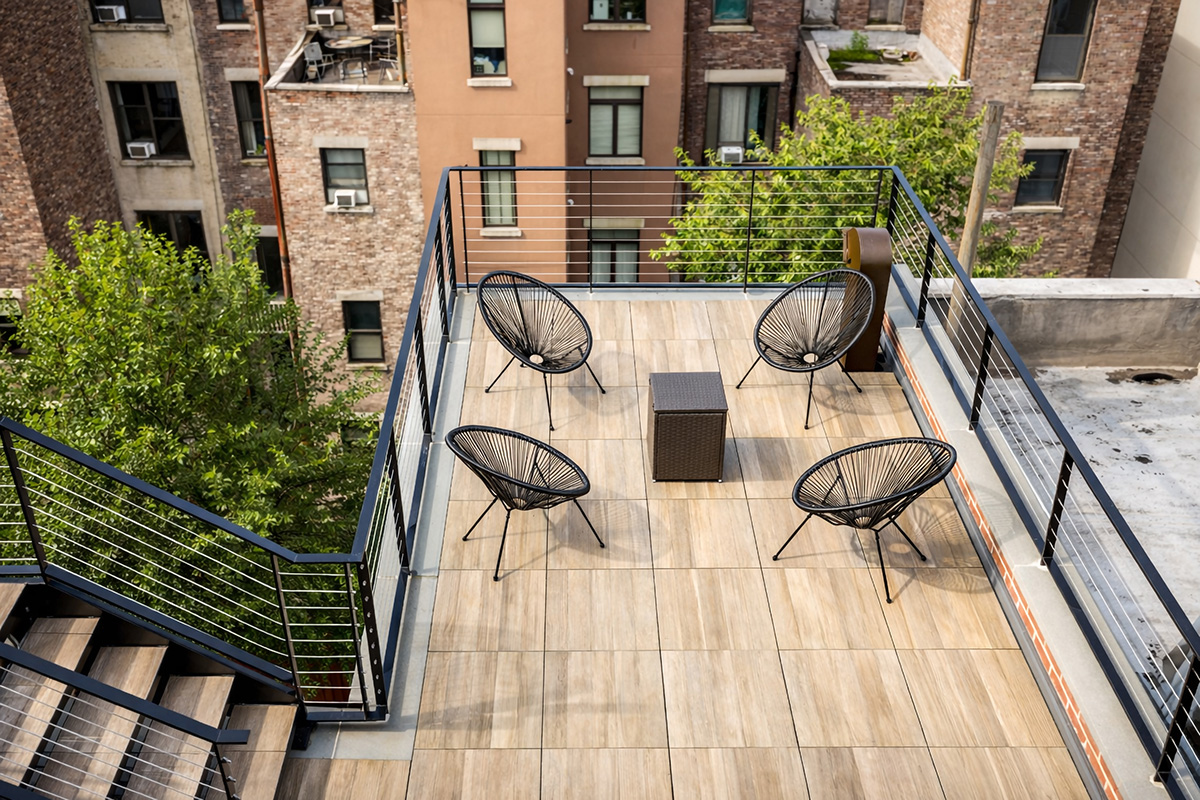
New Roof Deck on a Manhattan Brownstone
Architectural Detailing
Architectural detailing at the $3–5 million level is more refined and coordinated, contributing significantly to the overall quality of the renovation.
Design attention focuses on:
- Consistent material transitions
- Alignment and proportion across spaces
- Integration of millwork and architectural elements
- Coordinated lighting and ceiling conditions
This level of detailing requires careful documentation and coordination between design and construction teams. The goal is to achieve a cohesive architectural result with a consistent level of quality throughout the home.
Architectural Services
Renovations in the $3–5 million range require full-service architectural involvement, with a high level of coordination, documentation, and oversight throughout all phases of the project.
Services typically include:
- Feasibility analysis and layout development
- Integrated architectural and interior design
- Comprehensive material and product selection
- Coordination with structural and MEP engineers
- Detailed construction documents
- Permit filings and approvals
- Construction administration and project oversight
As customization and detailing increase, the level of professional coordination expands accordingly. Projects of this nature require close collaboration between architect, consultants, fabricators, and contractor, with careful management of documentation, approvals, and construction execution. In Manhattan co-ops and condominiums, building regulations and board review requirements further influence project scope, timeline, and coordination.
General Contractor Selection
At the $3–5 million renovation level, projects are typically aligned with contractors operating at a higher level of coordination, staffing, and specialization.
Contractors in this range often work within the following cost structure:
- Approximately $750 to $900 per square foot for high-quality renovations
- $900 to $1,200 per square foot or more for highly detailed projects with extensive scope of work.
These projects require contractors with experience managing complex renovations, coordinating multiple trades, and executing work at a high level of consistency.
Selecting a contractor whose experience aligns with the project scope is critical to achieving the intended level of quality and execution.
Renovation Planning and Strategy
For townhouse and brownstone renovations at this level, early planning plays a critical role in aligning design objectives with project scope and budget.
A $3–5 million renovation supports a broader range of design possibilities, but also introduces increased complexity in coordination, approvals, and execution. Early architectural consultation helps define project direction, identify constraints, and establish a clear strategy for design and construction.
Request a Consultation with Fontan Architecture - 212 321 0194
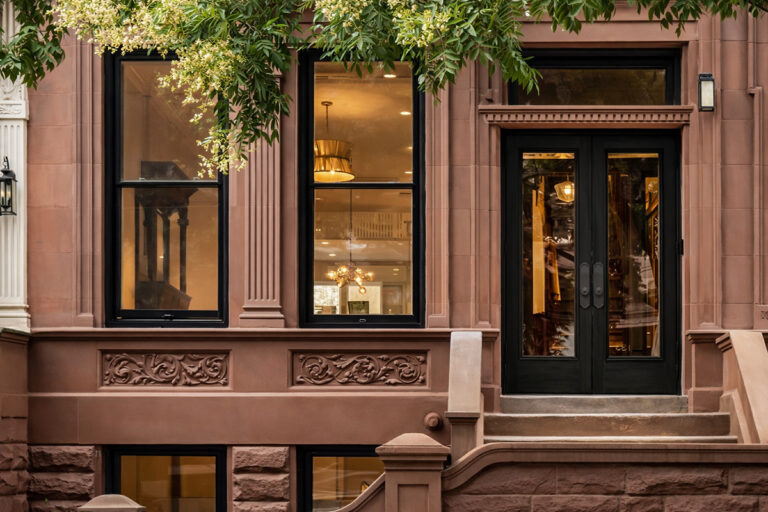
Jorge Fontan, AIA, is an architect and founder of Fontan Architecture based in New York City. The firm focuses on residential design, including new homes and extensive renovations for discerning clients. Through collaborative dialogue that draws on the individuality of each client, projects develop as distinct architectural responses guided by thoughtful planning, precise detailing, and a commitment to creating enduring value.
Jorge Fontan, AIA, is an architect and founder of Fontan Architecture based in New York City. The firm focuses on residential design, including new homes and extensive renovations for discerning clients. Through collaborative dialogue that draws on the individuality of each client, projects develop as distinct architectural responses guided by thoughtful planning, precise detailing, and a commitment to creating enduring value.