
New York City contains some of the most valuable and architecturally significant apartments in the world. Renovating these homes requires more than selecting premium finishes — it demands thoughtful planning, technical expertise, and a disciplined approach to execution.
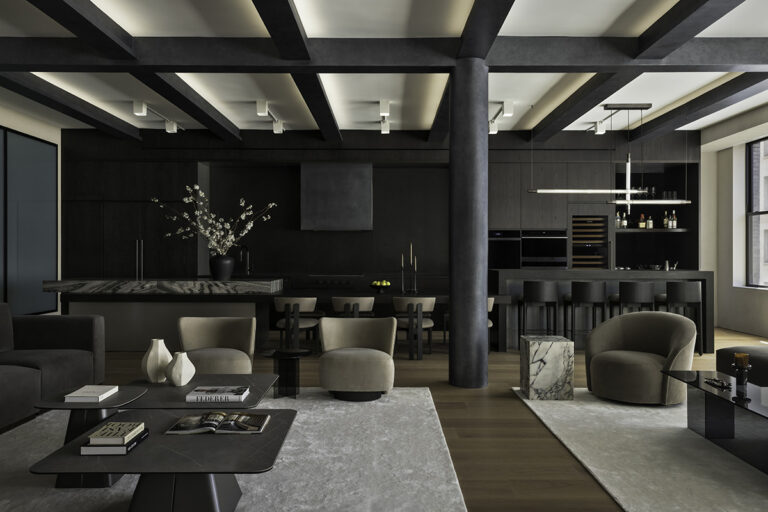
A high-end apartment renovation in NYC is defined not only by top-tier materials, but by precision, craftsmanship, and attention to detail at every level of the project. True luxury is achieved when design intent, construction quality, and execution align seamlessly. The distinction between a good renovation and an exceptional one is often defined in the details.
I am Jorge Fontan, an architect and owner of Fontan Architecture, a New York City–based architecture and design firm specializing in residential renovations. When planning a luxury renovation, there are critical considerations that influence budget, scope, and long-term value. In this article, I will outline key factors to consider, drawing from our experience working on high-end projects throughout Manhattan.
Table of Contents
Understanding High-End Renovation Costs in NYC
In the current New York City market, a true high-end apartment renovation typically begins around $550 per square foot. Projects with elevated material selections, extensive custom millwork, and complex building conditions often exceed $750 per square foot, with some reaching or surpassing $1,000 per square foot depending on scope and customization.
These figures are general planning benchmarks. Every project is unique, and final costs are influenced by building requirements, level of customization, mechanical upgrades, finish selections, and quality.
Architects often use cost-per-square-foot metrics during early planning to establish a realistic framework. For example:
A 2,000-square-foot apartment at $550 per square foot equates to an estimated $1.1 million construction budget.
For a more detailed breakdown of what this level of renovation typically includes, see our article on what a $1–2 million apartment renovation includes in NYC, where we outline scope, material levels, and typical project components at that investment range.
A 4,000-square-foot residence at $750 per square foot equates to $3 million in construction costs.
This preliminary budgeting method provides clarity during the conceptual phase. Once a complete set of architectural drawings and specifications is prepared, a general contractor can develop a detailed take-off and comprehensive pricing proposal.
It is important to understand that these are planning ranges, not fixed numbers. While budgets can sometimes be adjusted through scope refinement, it is generally far easier to increase a budget than to reduce one once design decisions have been established.
Hard Costs vs. Soft Costs
When evaluating a renovation budget in New York City, it is important to distinguish between hard costs and soft costs. Understanding this structure helps categorize expenses early in the planning process.
Hard costs refer to construction-related expenses. These include materials, fixtures, appliances, and all labor associated with building the project. The general contractor and subcontractors fall into this category, along with millwork, stone, flooring, plumbing fixtures, lighting, and other physical components of the renovation.
Soft costs encompass professional services and administrative expenses that support the project but are not part of physical construction. These may include architectural and engineering fees, interior design services, Department of Buildings filings, expediting, asbestos investigations, and building management fees.
For high-end apartment renovations in NYC, soft costs typically range between 15% and 20% of the overall project budget, although they may exceed that range depending on scope, complexity, and level of service. The more comprehensive the design and coordination effort, the greater the soft cost allocation — and often, the stronger the final outcome.
Budgetary Factors for High-End Residential Renovations
Material selection and level of customization are among the most significant factors influencing the cost of a high-end apartment renovation. In luxury residential work, full-slab stone installations — such as travertine or marble walls and floors — dramatically elevate both the aesthetic and the budget. The precision required for slab fabrication and installation contributes as much to the investment as the material itself.
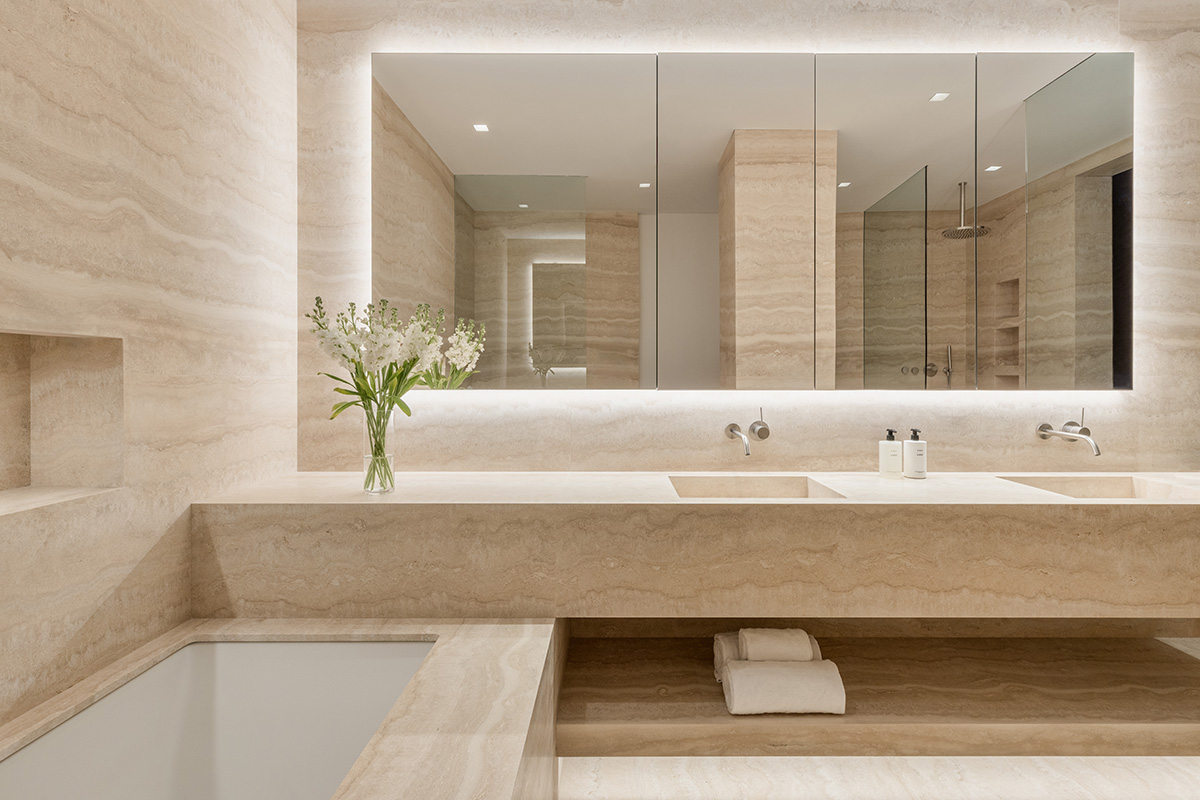
Luxury Travertine Slab Bathroom
Custom Work
True luxury in residential renovation is often defined by the degree of customization. Fully bespoke millwork, integrated architectural detailing, and one-of-a-kind elements distinguish a refined renovation from a standard upgrade.
However, not all “custom” work is created equal. The quality of craftsmanship, fabrication methods, and installation standards vary widely — even among well-known brands. In high-end projects, careful vetting of fabricators and installers is essential to ensure that the finished product reflects the intended level of detail and performance.
The fully custom marble sink shown below was not only custom designed by my office but fabricated from hand selected marble slabs and tailored specifically to the proportions of the space. This level of bespoke detailing requires coordination between architect, fabricator, and contractor — and represents the type of customization that defines high-end residential work.

Bespoke Powder Room Design in a Luxury NYC Apartment
Nearly Everything Can Be Custom
In a high-end apartment renovation, nearly every element can be custom designed — cabinetry, doors, hardware, lighting details, and even plumbing fixtures. The decision to pursue custom work should be intentional and aligned with the overall design vision.
While customization allows for exceptional results, it also requires disciplined oversight. Proper detailing, material selection, and fabrication standards are what separate enduring craftsmanship from work that merely appears bespoke.
Critical Budget Thresholds
One of the complexities of high-end apartment renovations in NYC is how quickly costs can escalate from substantial to exceptional. Seemingly small design decisions can have disproportionate budget implications. Identifying these moments early is essential.
In our practice, we discuss what I refer to as critical budget thresholds — points at which an incremental design upgrade produces a significant cost increase.
For example, we renovated a 6,500-square-foot loft in SoHo where the clients were considering wide-plank wood flooring. We presented two options from the same manufacturer: a 10-inch plank and a 12-inch plank. The 10-inch material would have cost approximately $100,000 for the full apartment. The 12-inch plank increased the flooring cost to roughly $200,000.
The visual difference was subtle. The financial difference was not.
Although the clients had the capacity for either option, the additional $100,000 for a two-inch increase in plank width represented a clear threshold. That budget allocation could instead be directed toward millwork detailing, stone fabrication, or other architectural enhancements with greater overall impact.
High-end renovations do not require excess to achieve excellence. Establishing budget thresholds early allows design decisions to remain intentional, balanced, and aligned with the client’s priorities.
High-End Architectural Services
High-end architectural services extend beyond drawings and specifications. They involve meticulous oversight, technical coordination, and a commitment to maintaining design integrity from concept through construction.
In luxury apartment renovations, details matter at every scale — from spatial planning and millwork proportions to mechanical coordination and finish transitions. A high-level architectural team ensures that these elements are thoughtfully resolved and consistently executed.
Comprehensive service means managing consultants, reviewing contractor work, coordinating approvals, and guiding material selection and detailing so that the project remains aligned with both design intent and budget strategy. This level of involvement reduces risk, improves clarity, and ultimately protects the client’s investment.
True full-service architecture is not simply about participation in every decision — it is about leadership, coordination, and accountability throughout the entire process.
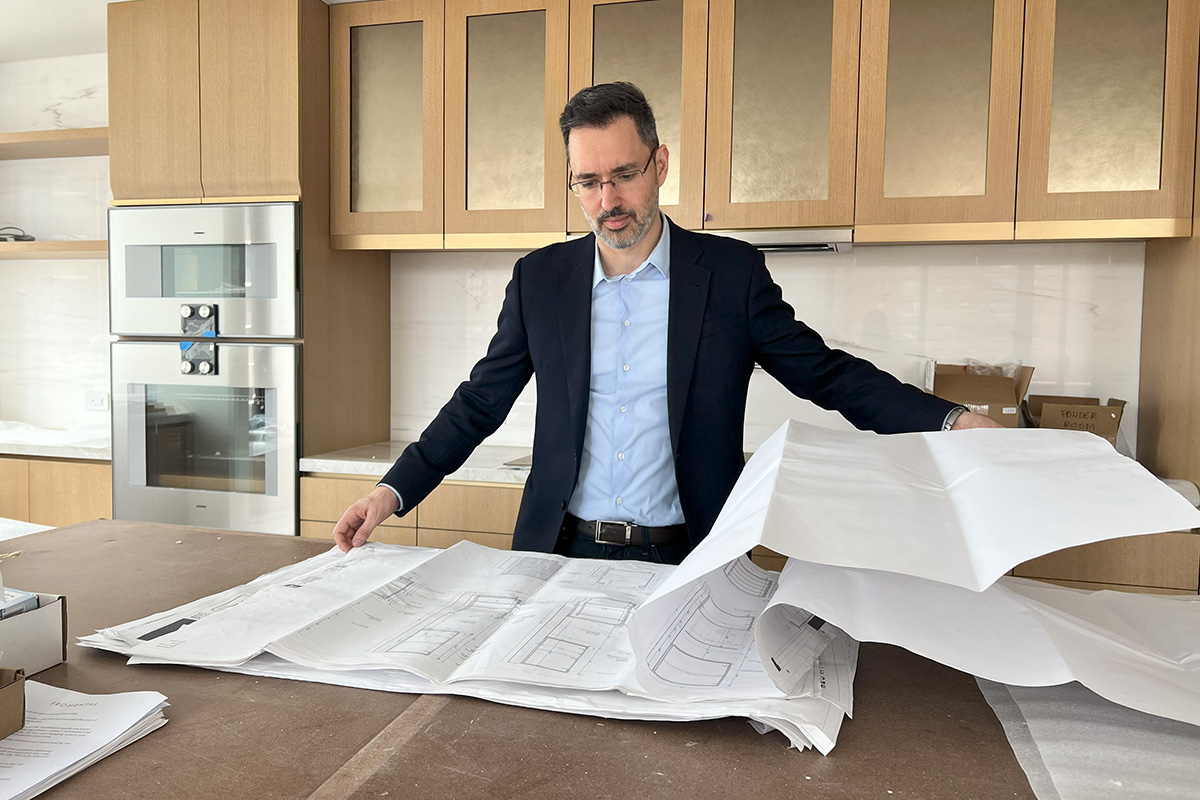
Apartment Remodeling Architect NYC
The Design Team
In a high-end apartment renovation, the architect should lead and coordinate the entire design team. Luxury projects involve multiple consultants, technical disciplines, and layers of approval. Without clear leadership, coordination gaps can quickly emerge.
At our firm, we provide comprehensive architectural and interior design services and manage all required consultants. While some architects limit their scope to architecture alone, an integrated approach often creates a more seamless process for the client. Centralized coordination improves communication, reduces redundancies, and minimizes the risk of conflicting decisions.
When clients independently assemble separate consultants, the burden of coordination often shifts back to them. In complex New York City renovations — particularly in co-ops and condominiums — that structure can create inefficiencies and unnecessary delays.
Depending on the scope of work, a high-end residential renovation may involve:
- Architect
- Mechanical Engineer
- Structural Engineer
- Filing Representative or Expediter
- Lighting Designer
- Interior Designer
- AV or Smart Home Consultant
- Security Consultant
The architect’s role is not only to design, but to align these professionals into a cohesive, disciplined team working toward a unified vision.
The Design Process
Planning a high-end apartment renovation in NYC begins with assembling the right architectural team and establishing a clear process. An experienced residential architect familiar with luxury renovations will guide the project through design, approvals, and construction with discipline and structure.
Early in the process, it is important to define the client’s preferred level of involvement. Some clients choose to engage deeply in material selections and detailing decisions, while others prefer a more curated, architect-led approach. Establishing expectations regarding meetings, review milestones, and decision-making responsibilities ensures clarity from the outset.
Designing a private residence is inherently personal. The process should feel collaborative, organized, and well-managed. For full gut renovations, we typically establish a consistent meeting schedule, allowing for design reviews, in-person meetings, and on-site evaluations as needed. This structured rhythm maintains momentum while giving clients appropriate opportunities for input.
Ultimately, the client is an integral part of the design process — whether highly involved in daily decisions or engaged at defined milestones. A well-organized process allows the project to remain focused, efficient, and aligned with the client’s vision.
Hiring a High-End Residential Contractor in NYC
Selecting the right contractor is one of the most consequential decisions in a high-end apartment renovation. Even the finest materials and most thoughtful design can be compromised by poor execution.
We have seen firsthand how inadequate construction can undermine a substantial investment. In one case, a client purchased an $8 million loft that had been renovated only a few years prior. Although the finishes and fixtures were expensive, the workmanship did not meet an appropriate standard. Drainage issues, improperly functioning ventilation, and failing floor installations required significant corrective work. The materials were high-end — the execution was not.
In luxury residential construction, precision matters. Installation quality, coordination between trades, and attention to detail determine whether a renovation performs as intended over time.
A successful project depends on a strong working relationship between architect and contractor. Clear communication, shared expectations, and disciplined oversight are essential. While clients ultimately select their contractor, guidance from the architect can help ensure alignment with the project’s technical and aesthetic standards.
Engaging a qualified contractor early in the process can also provide valuable input during budgeting and detailing, contributing to a smoother construction phase.
Construction
Construction oversight is a critical component of a high-end apartment renovation. The architect conducts regular site visits to review progress, evaluate workmanship, and ensure that the work aligns with the design intent and construction documents.
Field conditions inevitably arise during renovation projects, particularly in older New York City buildings. Ongoing coordination between architect, contractor, and consultants allows issues to be addressed efficiently while maintaining design integrity. Attention to detailing in the field — from finish transitions to millwork alignment — is essential to achieving a refined final result.
As construction nears completion, the architect and contractor develop a comprehensive punch list to resolve remaining items and prepare the project for closeout. Final inspections and documentation ensure that the renovation meets both performance expectations and aesthetic standards.
Start Planning Your Renovation
A successful high-end apartment renovation in New York City requires more than a substantial budget. It demands careful planning, disciplined coordination, and a design team capable of executing at the highest level. From early feasibility and budgeting through construction oversight and final detailing, each phase contributes to the overall quality and long-term performance of the home.
If you are considering a high-end apartment renovation in NYC and would like to discuss the potential of your project, Fontan Architecture provides comprehensive architectural services tailored to luxury residential work. We guide clients through due diligence, design development, consultant coordination, and construction administration to ensure clarity, precision, and exceptional results. Contact us to begin a disciplined and thoughtfully executed renovation process.
Request a Consultation with Fontan Architecture - 212 321 0194
Jorge Fontan, AIA, is an architect and founder of Fontan Architecture based in New York City. The firm focuses on residential design, including new homes and extensive renovations for discerning clients. Through collaborative dialogue that draws on the individuality of each client, projects develop as distinct architectural responses guided by thoughtful planning, precise detailing, and a commitment to creating enduring value.
Jorge Fontan, AIA, is an architect and founder of Fontan Architecture based in New York City. The firm focuses on residential design, including new homes and extensive renovations for discerning clients. Through collaborative dialogue that draws on the individuality of each client, projects develop as distinct architectural responses guided by thoughtful planning, precise detailing, and a commitment to creating enduring value.