
Apartment renovations in New York City involve a highly structured process that extends beyond design alone. Projects must navigate building approvals, regulatory filings, and coordination between multiple parties, including architects, contractors, and building management. Each phase builds upon the previous, requiring careful planning and clear alignment between scope, budget, and timeline.
A successful apartment renovation depends on a well-executed process that integrates thoughtful design, careful planning, effective project management, and high-quality construction.
I am Jorge Fontan, an architect and founder of Fontan Architecture, a New York City–based architecture and design firm specializing in high-end residential projects. Our work includes full apartment renovations throughout New York City. In this article, I will outline the complete process of renovating an apartment in NYC, from initial planning through construction.
Table of Contents
Define Your Goals and Project Scope
The first step of any apartment renovation is defining the project goals and overall scope of work. This begins with identifying your priorities, how you intend to use the space, and the level of renovation you are considering. While not every detail needs to be resolved at the outset, establishing a clear direction early is essential.
Consulting with an architect early in the process can help clarify these objectives and translate them into a cohesive plan. Through initial discussions, the architect can help define priorities, evaluate feasibility, and establish a clear framework for the project. This early alignment provides a foundation for design and helps ensure that subsequent decisions remain consistent with the overall goals.
In architectural practice, we begin by organizing our client’s needs into what we call the program—a structured outline of the spaces and functions within the apartment. This may include identifying required rooms, adjacencies, storage needs, and specific features. Even a simple list of room requirements and priorities can serve as a program, helping to guide the design and maintain clarity throughout the project.
We aim to avoid beginning a project with discrepancies between budget and scope. I typically discuss scope and budget in the first meeting or call with potential clients to ensure alignment on the project direction. Establishing clarity at this stage is one of the most important factors in determining whether a project proceeds with outcomes matching expectations.
Hiring an Architect
Engaging an architect early in the process is critical to a successful apartment renovation. In many cases, clients begin working with an architect before purchasing a property, allowing for an informed evaluation of feasibility, scope, and potential constraints. Early involvement helps establish a clear direction and avoid costly revisions later in the process.
Selecting the right architect is an important decision, as the working relationship will extend throughout the duration of the project. As the architect we are responsible for guiding design, coordinating consultants, navigating approvals, and overseeing construction. A strong working relationship, built on clear communication and mutual trust, is essential.
Architectural fees are structured in a variety of ways depending on the scope of work and the services provided. Common fee structures include:
- Flat Fee (Fixed Fee)
- Hourly
- Percentage of Construction Cost
- Cost per Square Foot
- Hybrid Fee Structures
Regardless of the fee structure, it is important to understand the scope of services included in the proposal. Different architects include different levels of detail, coordination, and construction oversight, which can significantly impact both cost and project outcomes. A clear understanding of what is included—and what is not—is essential when comparing proposals. At Fontan Architecture we typically provide full service proposals.
In practice, the level of detail and coordination provided during the design and documentation phases often has a direct impact on how smoothly a project is executed during construction.
Establishing a Renovation Budget
Establishing a clear and realistic budget is a critical step in the apartment renovation process. Costs can vary significantly depending on the scope of work, apartment size, quality of the work, level of customization, and the level of finish and detail. Aligning the budget with the intended scope early in the process helps guide design decisions and avoid misalignment later.
In New York City, renovation costs are typically higher than in other markets due to labor, logistics, and building requirements. Additional factors such as co-op or condo regulations, limited work hours, and coordination with building management can also influence overall costs. A well-defined budget should account for construction, professional fees, permits, and contingencies.
Working with an architect during the early stages can help establish a budget framework that is consistent with the project goals. This allows for informed decisions throughout design and helps ensure that the project remains aligned with both financial and design expectations.
One of the most consistent challenges in NYC renovations is aligning expectations with actual construction costs. Projects that begin with a clearly defined budget framework tend to move forward with fewer revisions and a more efficient design process.
Design and Layout
At Fontan Architecture, we begin every project by developing a clear understanding of our clients’ needs, priorities, and preferences in order to establish an overarching design concept. This concept guides the functional organization and architectural character of the home. At our office, each project is a bespoke design tailored specifically to the individual owners.
We organize the apartment by defining function, circulation, aesthetic intent, the relationships between spaces, natural light, views, and framing. We develop a plan that determines how the apartment functions and shapes the experience of moving through it. We use clear and intentional planning to create a cohesive framework for the design.
After we establish the layout, we move into deeper design, including kitchens, bathrooms, millwork, materials, fixtures, lighting, and built-in elements. We develop each component with precision and integration, ensuring full design continuity throughout the project.
Building Approval and Board Review
Whether in a condominium or co-op, most apartment renovations in New York City require building approval prior to construction. This process typically involves submitting a detailed set of drawings and a written scope of work for review by building management.
In many cases, the building retains its own architect to review the submission. This reviewing architect evaluates the proposed work for compliance with building rules, systems, and standards. Comments or objections may be issued and must be addressed before approval is granted. Once the review is completed and any required revisions are resolved, the project may proceed to filing with the Department of Buildings.
While the exact requirements vary by building, board approval and architectural review are standard components of the apartment renovation process in NYC.

Custom Apartment Design in NYC
Alteration Agreements
Buildings in New York City typically require an alteration agreement prior to the start of construction. This document outlines the rules for renovations, as well as the legal responsibilities of both the building and the unit owner undertaking the work.
The alteration agreement establishes the framework under which the renovation must proceed and is a standard component of the approval process for both co-ops and condominiums.
Filing with the NYC Department of Buildings
Most apartment renovations in New York City require filing with the Department of Buildings (DOB). This process involves the submission of architectural drawings and supporting documentation for review by a plan examiner.
During plan examination, the DOB reviews the proposed work for compliance with applicable codes and regulations. Once the application is approved and the project may proceed to permitting.
Bidding and Contractor Selection
Bidding is the process of obtaining pricing for the construction of the apartment renovation. This typically involves inviting qualified contractors to review the project, conduct site visits, and submit detailed proposals based on the drawings and scope of work.
Selecting the right contractor is critical to the success of the project. Proposals should be evaluated not only on cost, but on experience, qualifications, and the contractor’s understanding of the scope. In practice, higher-quality contractors often provide more comprehensive coordination, stronger supervision, and better overall execution.
A well-structured project benefits from clear lines of responsibility. Engaging a qualified general contractor to manage construction provides a single point of coordination and accountability throughout the process. This approach helps ensure consistency, efficiency, and quality during construction.
Permits and Pre-Construction
Once the application is approved, the contractor can pull permits to begin work.
Depending on the scope of work, an apartment renovation may require multiple permits, including:
- General Construction Permit
- Electrical Permit
- Plumbing and Gas Permit
- Mechanical Permit (Heating and Air Conditioning)
Construction Phase
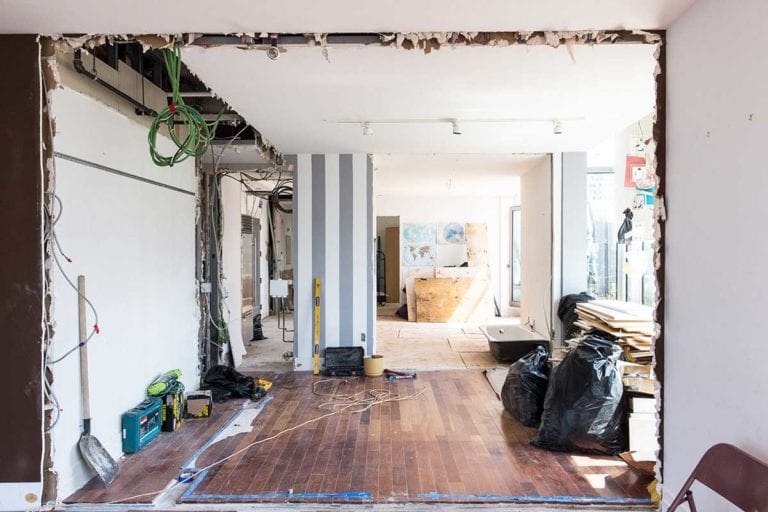
The construction phase is where the design is executed and requires careful coordination between the contractor, architect, and client. A well-managed construction process depends on clear communication, adherence to the drawings and specifications, and consistent oversight.
Prior to the start of work, the contractor should establish a construction schedule outlining the sequence and duration of each phase. This schedule provides a framework for coordination and helps manage expectations for timeline and progress.
Throughout construction, site conditions, field coordination, and unforeseen issues may require adjustments. Ongoing communication and regular site visits help ensure that the work is executed in accordance with the design intent and that any issues are addressed efficiently.
The level of oversight and coordination during this stage has a direct impact on the final quality of the work.
Project Completion
At the completion of construction, the project transitions into final inspections, close-out, and cleaning. The architect will provide the owner with Letters of Completion from the Department of Buildings and a Certificate of Occupancy if applicable.
Furnishing and Final Setup
Furnishing should be considered as part of the overall design process rather than an afterthought. Furniture layout, scale, and placement influence how the apartment functions and are often integrated into the design during earlier phases. This also goes for artwork we always ask our clients about art before we design the home, as we have had clients with extensive art collections.
Renovating an Apartment
Apartment renovations in New York City require a coordinated process that brings together design, planning, approvals, and construction. Each phase builds upon the previous, and the success of the project depends on maintaining alignment between scope, budget, design, quality, and execution throughout.
Understanding the full renovation process—from initial planning and architectural design through building approvals, permitting, and construction—allows for more informed decisions and a more efficient project. With proper coordination and a clear framework, the complexities of renovating in NYC can be managed effectively.
At Fontan Architecture, we work with clients throughout every phase of the apartment renovation process, from early planning and feasibility through construction and completion. Our approach focuses on thoughtful design, careful coordination, and a disciplined process to deliver well-executed residential projects in New York City.
Request a Consultation with Fontan Architecture - 212 321 0194
Jorge Fontan, AIA, is an architect and founder of Fontan Architecture based in New York City. The firm focuses on residential design, including new homes and extensive renovations for discerning clients. Through collaborative dialogue that draws on the individuality of each client, projects develop as distinct architectural responses guided by thoughtful planning, precise detailing, and a commitment to creating enduring value.


Jorge Fontan, AIA, is an architect and founder of Fontan Architecture based in New York City. The firm focuses on residential design, including new homes and extensive renovations for discerning clients. Through collaborative dialogue that draws on the individuality of each client, projects develop as distinct architectural responses guided by thoughtful planning, precise detailing, and a commitment to creating enduring value.