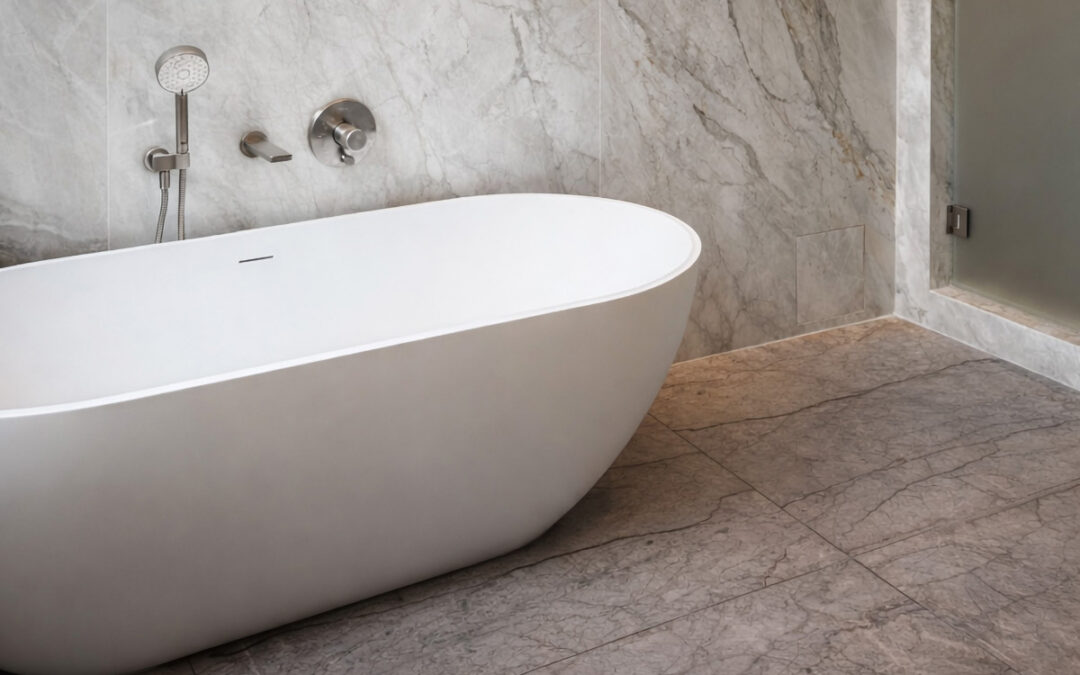
by Jorge Fontan | Last updated Apr 3, 2026 | Apartment Renovations, Construction Practices, Renovating
In Manhattan apartment renovations, layout changes involving kitchens, bathrooms, and laundry rooms are rarely simple. Beyond building code compliance, co-op boards and condominium management often impose additional constraints that directly influence how an apartment...
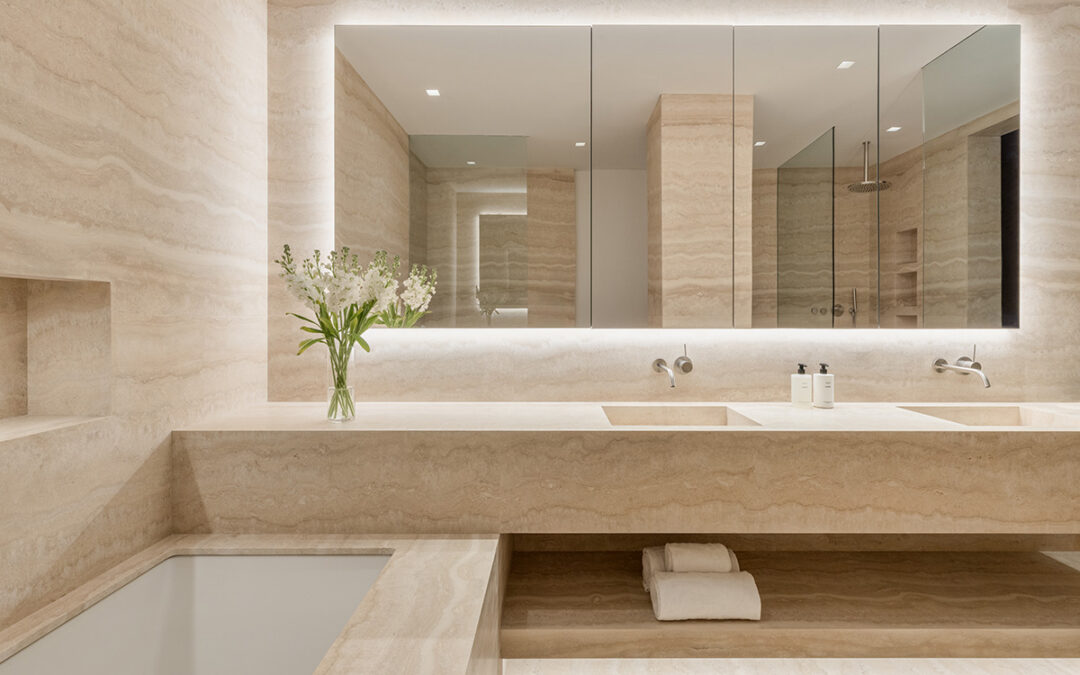
by Jorge Fontan | Last updated Mar 15, 2026 | Bathroom Design, Apartment Renovations, NYC DOB
Bathroom renovations in NYC are far more regulated than most homeowners realize — and accessibility requirements can significantly influence layout, fixture placement, and overall design. New York City building codes are complex, even for seemingly straightforward...
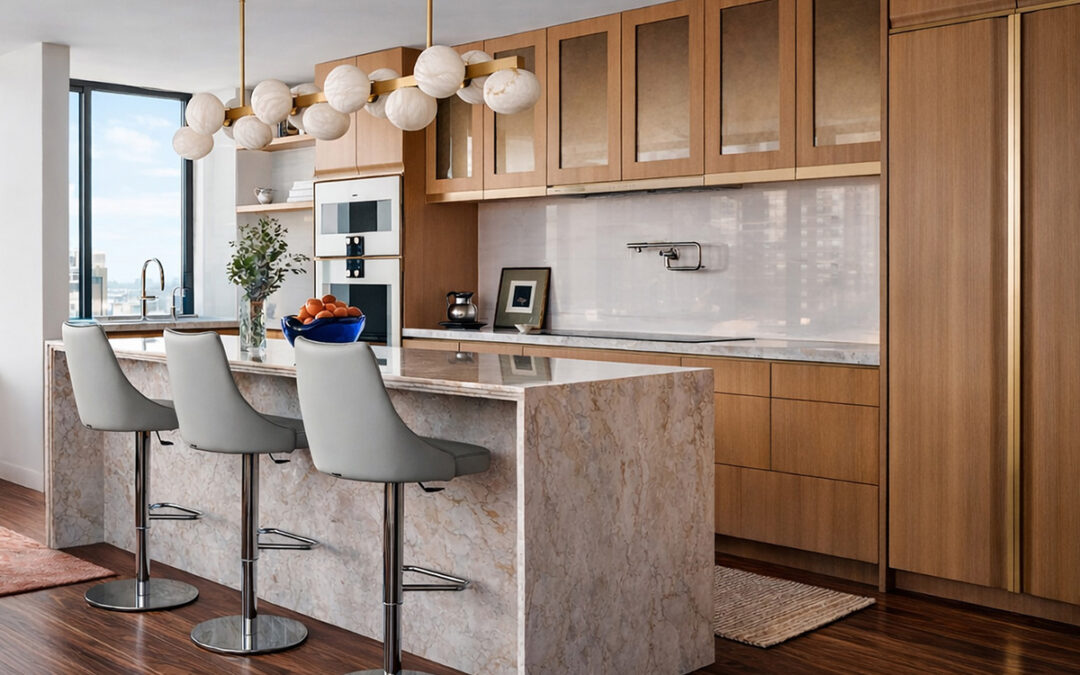
by Jorge Fontan | Last updated Mar 16, 2026 | Apartment Renovations, NYC DOB, Renovating
Renovating a kitchen in New York City often requires approvals from multiple parties. In addition to complying with the NYC Department of Buildings, homeowners in condominiums and co-ops must also follow their building’s alteration rules. Depending on the scope of...

by Jorge Fontan | Last updated Mar 7, 2026 | Apartment Renovations, Architectural Services, Renovating
In New York City co-ops and condominiums, apartment renovations are subject not only to building code compliance, but also to building governance. Before construction can begin, most boards require owners to enter into an alteration agreement — a formal contract that...

by Jorge Fontan | Last updated Jun 12, 2020 | Apartment Renovations, NYC DOB, Renovating
Interior Renovations in an NYC Landmarked building will require a permit from the Department Of Buildings, DOB, and from the Landmarks Planning Commission, LPC. Most interior renovations can be filed as an expedited review which is the fastest and easiest application...
by Jorge Fontan | Last updated Feb 25, 2026 | Apartment Renovations, Bathroom Design, Renovating
Adding a bathroom to an apartment in New York City is often possible — but it is rarely simple. The feasibility of a bathroom addition depends less on design preference and more on plumbing stack location, building governance, structural constraints, and regulatory...