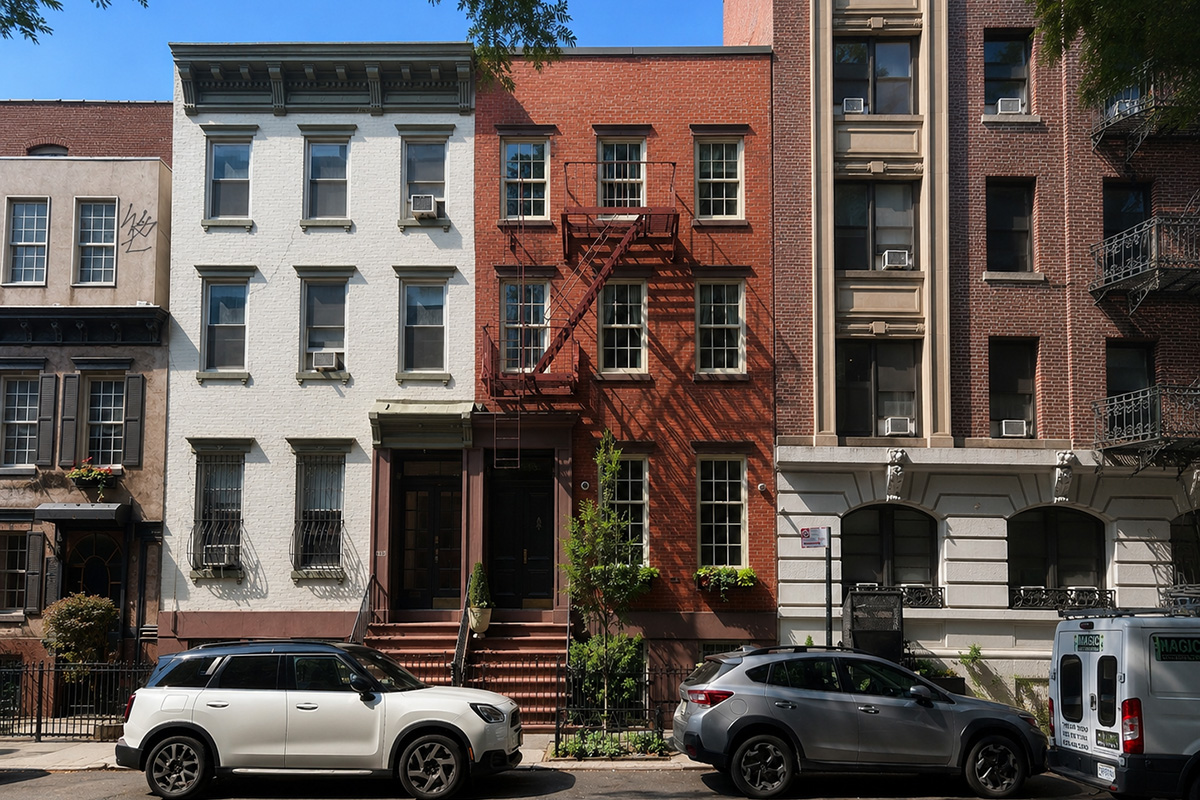
Lower Manhattan contains some of New York City’s most historically and architecturally significant residential neighborhoods. From the Federal and Greek Revival townhouses of Greenwich Village to the elegant nineteenth-century row houses of the Lower East Side and the historic homes found throughout Downtown Manhattan, these properties represent an important part of the city’s architectural heritage.
Successful townhouse renovations in Lower Manhattan require architects who understand historic buildings, complex residential renovations, regulatory approvals, design, detailing, and construction. Many townhouse and brownstone projects involve landmark properties, structural modifications, rear yard extensions, rooftop additions, or full-gut renovations that demand a coordinated architectural approach. A full-service architecture firm can guide homeowners through every phase of the project, from design and approvals to construction documentation and construction administration, creating a seamless process from concept through completion.
I am Jorge Fontan, owner of Fontan Architecture, a Manhattan-based architecture firm specializing in high-end residential renovations. Our work includes townhouses, brownstones, landmark properties, rooftop additions, rear extensions, and full-gut renovations throughout Manhattan. We provide full-service architectural services, including design, regulatory approvals, consultant coordination, construction documents, and construction administration. In this article, we discuss renovating Lower Manhattan townhouses, common design considerations, landmark requirements, additions, and the architectural process for transforming these historic homes.
Table of Contents
Renovating Lower Manhattan Townhouses
Lower Manhattan is home to some of New York City’s most architecturally significant historic townhouses and brownstones. Neighborhoods including Tribeca, Greenwich Village, SoHo, NoHo, the Financial District, and the West Village contain historic residences that reflect centuries of architectural development. Many of these homes feature masonry facades, decorative cornices, original staircases, high ceilings, and richly detailed interior spaces. Renovating a Lower Manhattan townhouse requires balancing historic preservation with contemporary living, combining thoughtful design, technical expertise, and careful planning to create homes that support modern lifestyles.
At Fontan Architecture, we have worked on townhouse and brownstone renovations throughout Manhattan, including landmark properties, full-gut renovations, rooftop additions, rear yard extensions, and luxury residential interiors. Every project begins with a careful evaluation of the existing building, including its structural systems, historic features, regulatory requirements, and the goals of the homeowners. This process establishes a clear strategy for transforming each property while preserving the qualities that make Lower Manhattan’s historic townhouses unique.
Full-Gut Renovations
Many Lower Manhattan townhouses benefit from comprehensive renovations that address the building as a whole. Full-gut renovations often include replacing outdated mechanical, electrical, and plumbing systems, improving energy performance, reconfiguring floor plans, and upgrading finishes throughout the home. These projects provide an opportunity to modernize the house while preserving the architectural qualities that make historic townhouses distinctive.
Approaching the renovation as a complete architectural project allows every space to be considered as part of a unified composition rather than a series of isolated improvements. This holistic approach often results in clearer circulation, better natural light, improved storage, and thoughtfully integrated living spaces that support contemporary lifestyles while respecting the character of the original home.
Restoring Historic Architectural Details
Many Lower Manhattan townhouses retain original architectural features that contribute to their character and craftsmanship. Original moldings, staircases, wood paneling, fireplaces, doors, decorative plasterwork, and historic millwork often become defining elements of a renovation. Many homeowners look to preserve and restore these details to maintain the architectural integrity of the home, while others prefer a greater level of modernization.
Every project requires thoughtful decisions about which historic elements should be preserved, restored, or carefully integrated into the new design. Restoration work may include repairing existing features, reproducing missing details, refinishing historic materials, or incorporating restored elements into a comprehensive renovation. By combining careful restoration with contemporary design, historic townhouses can continue to evolve while preserving the qualities that make them unique.
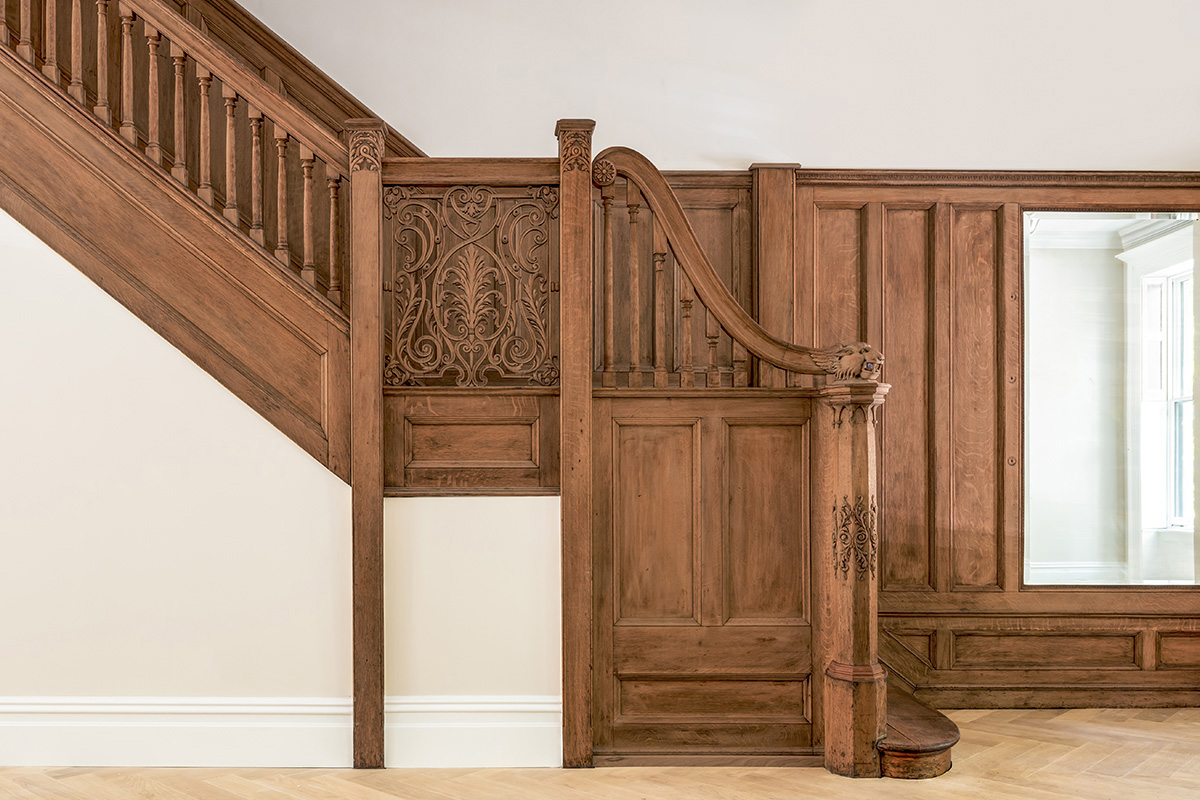
Restored Stair and Banister in a Brownstone
Structural Alterations and Reconfiguration
Structural modifications are often a significant component of Lower Manhattan townhouse renovations. Homeowners frequently seek to create more open living spaces, improve circulation, connect floors more effectively, or accommodate new amenities such as elevators, larger kitchens, or expanded primary suites. Achieving these goals often requires modifying existing structural systems and introducing new framing while preserving the integrity of the historic building.
Structural alterations require careful planning, engineering coordination, and comprehensive construction documentation. Projects may include removing load-bearing walls, reinforcing floor framing, creating new stair openings, supporting rear yard extensions, or designing rooftop additions. When thoughtfully integrated, these structural improvements can transform a historic townhouse into a highly functional contemporary home while preserving its architectural character and long-term performance.
In addition to structural modifications that support new layouts and additions, many historic townhouses also require structural repairs and stabilization. Some of these buildings are nearly two centuries old and require careful evaluation before renovation begins. For example, we completed a full-gut renovation of a townhouse on the Lower East Side that was originally constructed in 1845. Although the building remained in relatively good condition overall, significant structural repairs were required around the stairs, including rebuilding two flights of stairs due to significant structural deterioration. Addressing these conditions early in the project helped preserve the integrity of the historic building while providing a safe and durable foundation for the new renovation.
Modernizing Historic Homes for Contemporary Living
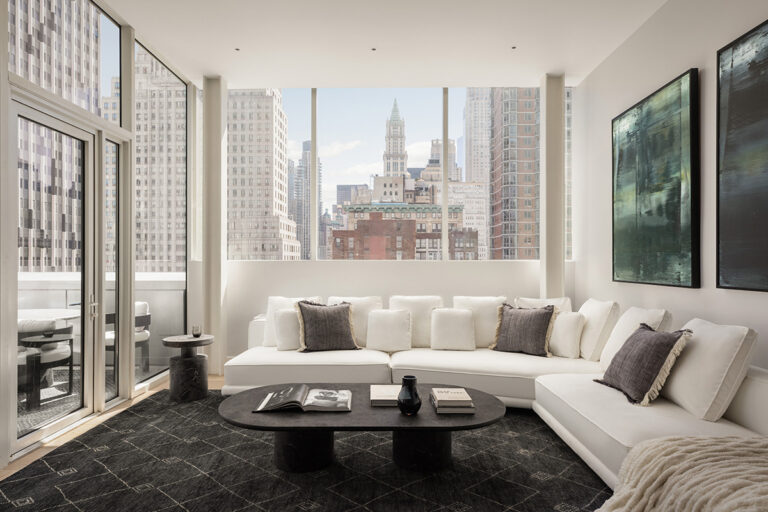
Many Lower Manhattan townhouses were designed for lifestyles that differ considerably from those of today. Renovations often focus on improving functionality while preserving the architectural qualities that make these historic homes unique. Kitchens, bathrooms, primary suites, family spaces, and outdoor areas are frequently reimagined to better support contemporary living without diminishing the character of the original building.
Modernization may also include new mechanical, electrical, and plumbing systems, improved energy performance, enhanced lighting, custom millwork, integrated technology, and stronger connections between interior and exterior spaces. Rather than simply updating individual rooms, a comprehensive renovation considers the home as a cohesive whole, creating spaces that feel both timeless and highly personal. The goal is to create a residence that functions beautifully for modern life while respecting the craftsmanship, proportions, and architectural heritage of a historic Lower Manhattan townhouse.
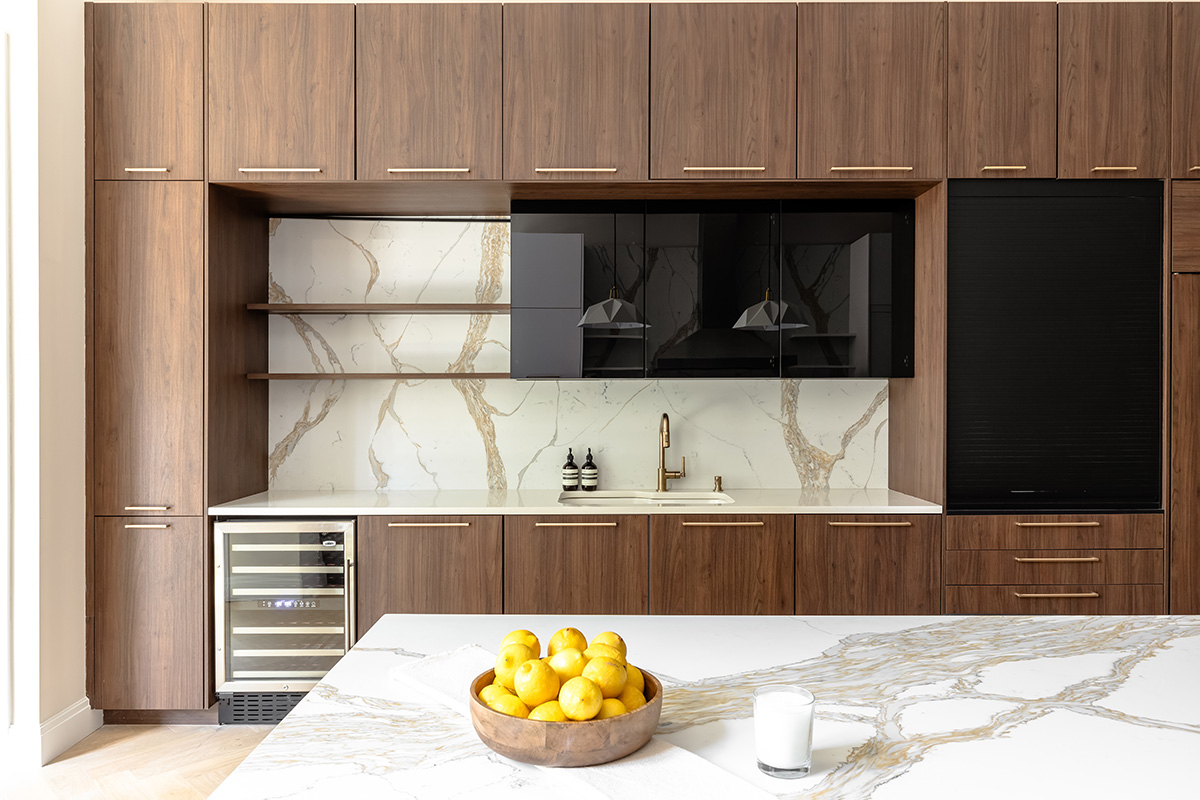
New Kitchen in a Manhattan Townhouse
Landmark Townhouse Renovations in Lower Manhattan
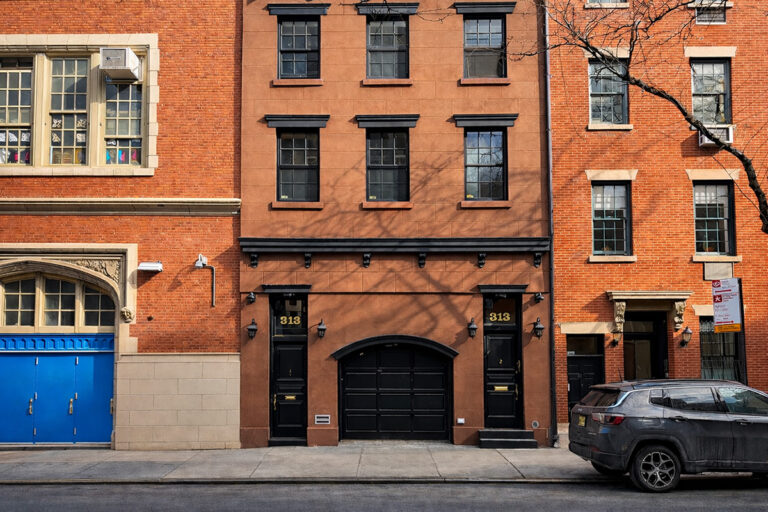
Lower Manhattan contains some of New York City’s most significant historic districts and landmark properties. Landmark districts such as the Greenwich Village Historic District and the East Village / Lower East Side Historic District are home to historic townhouses that contribute to the architectural character of Downtown Manhattan.
Lower Manhattan Historic Districts and Landmark Properties
Owning a landmark property offers the opportunity to be a part of an important piece of New York City’s architectural heritage. At the same time, alterations to these properties are subject to review by the New York City Landmarks Preservation Commission (LPC). Understanding these requirements early in the design process helps establish realistic project goals and creates a clearer path through the approval process.
Landmarks Preservation Commission Approvals
The New York City Landmarks Preservation Commission reviews proposed work on designated landmark buildings and properties located within historic districts. Approvals are required for facade restorations, window replacements, rooftop additions, rear yard extensions, entrance modifications, rooftop mechanical equipment, and any interior work requiring Department of Buildings permits.
Preparing a successful LPC application requires comprehensive architectural drawings, photographs, material samples, and documentation that clearly demonstrate how the proposed work relates to the historic building. Thoughtful planning, careful detailing, and a thorough understanding of preservation guidelines help create applications that support both the design goals of the homeowner and the architectural integrity of the property.
Historic Townhouse Restorations
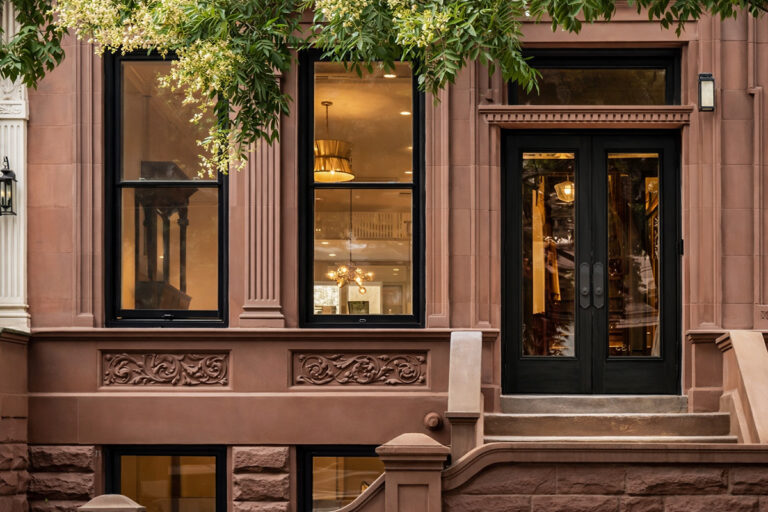
Restoration is often an integral part of renovating a townhouse. Many historic homes retain original architectural features that contribute to both their character and long-term value. Restoration work may include masonry repairs, brownstone facade restoration, stoop reconstruction, wood window restoration, ornamental detail repair, decorative metalwork, and the preservation of significant architectural elements.
A successful restoration respects the original design of the building while improving durability and supporting long-term performance. Careful restoration preserves the craftsmanship and architectural character that define these historic homes while allowing them to continue serving contemporary lifestyles for generations to come.
Additions to Lower Manhattan Townhouses
Many Lower Manhattan townhouses offer opportunities to expand and reconfigure living space through carefully planned additions. Whether the goal is to create larger gathering spaces, add bedrooms, improve connections to outdoor areas, or introduce entirely new living levels, additions can significantly enhance the functionality and long-term value of a historic home. Designing these projects requires a thorough understanding of zoning regulations, building codes, structural systems, and, where applicable, landmark requirements.
Successful townhouse additions respect the scale, proportions, and architectural character of the original building while creating spaces that support contemporary lifestyles. Whether designing a rear yard extension, a rooftop addition, or a comprehensive expansion strategy, thoughtful planning and careful detailing help ensure that the new work feels naturally integrated with the historic home.
Rear Yard Extensions
Rear yard extensions are among the most common ways to expand a Lower Manhattan townhouse. These additions often create larger kitchens, family rooms, dining spaces, or living areas while strengthening the relationship between the home and the rear garden or terrace.
Designing a successful rear extension requires careful consideration of zoning regulations, lot conditions, structural systems, natural light, and the relationship between the addition and the existing building. A well-designed extension should feel like a naturally integrated addition to the original architecture while improving the functionality of the home.
Landmark Considerations for Additions
Many Lower Manhattan townhouses are located within designated historic districts or are individual landmark properties. Rear yard extensions, rooftop additions, and other exterior alterations typically require review and approval by the New York City Landmarks Preservation Commission (LPC). The design process must carefully consider how new construction relates to the historic building and its surrounding context.
Landmark review evaluates factors such as visibility, scale, massing, materials, proportions, and compatibility with the architectural character of the property. Successful additions preserve the integrity of the original townhouse while accommodating the needs of contemporary living. Early planning and a thorough understanding of landmark requirements help create a more efficient approval process and stronger design outcomes.
Rooftop Additions
Rooftop additions can provide valuable new living space while preserving outdoor areas at the ground level. Depending on zoning regulations and landmark considerations, rooftop additions may accommodate additional bedrooms, home offices, recreation spaces, sunrooms, or complete new levels of living space.
One strategy we have successfully employed is locating a rooftop addition within the center portion of the roof rather than extending it across the entire rooftop. This approach can preserve front and rear roof terraces while creating additional interior living space. In one project, we also designed a stair connecting the rooftop addition to an upper roof terrace, creating multiple outdoor spaces with expansive views across Manhattan. By balancing interior expansion with outdoor living, rooftop additions can significantly enhance both the functionality and enjoyment of a historic townhouse.
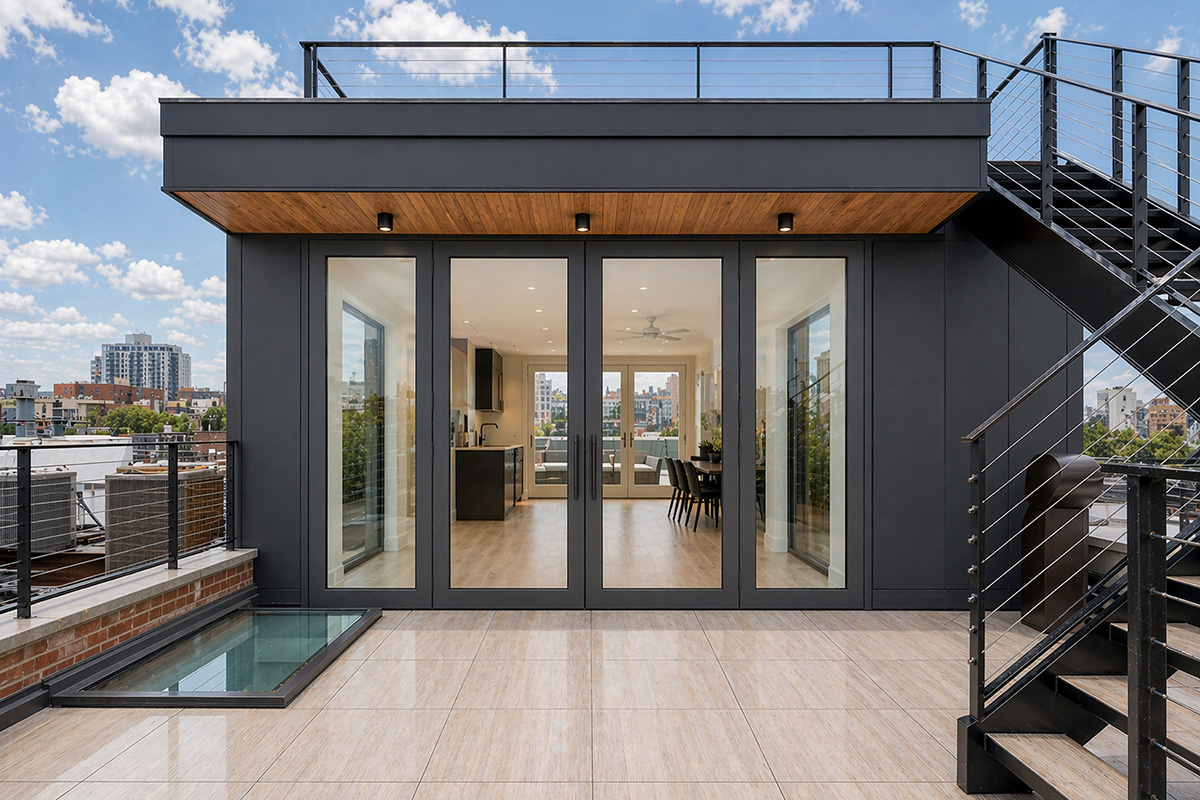
Manhattan Brownstone Rooftop Addition
Full-Service Lower Manhattan Townhouse Architect
Successful Lower Manhattan townhouse renovations involve thoughtful planning, architectural design, regulatory approvals, technical documentation, consultant coordination, and oversight throughout construction. A full-service architectural approach creates continuity from the earliest planning stages through project completion, allowing design decisions, technical requirements, and construction to be coordinated as a unified process.
Architectural Design
Architectural design establishes the vision for a successful townhouse renovation. Every project begins with understanding the homeowners’ goals, evaluating the existing building, and identifying opportunities to improve functionality, comfort, and architectural quality. These early decisions influence the entire project, from floor plans and circulation to materials, detailing, custom millwork, and the relationship between historic architecture and contemporary living.
Every family lives differently, and every townhouse presents its own opportunities and constraints. Some homeowners wish to carefully restore original architectural features, while others seek a more contemporary interpretation of the home. Many projects integrate a balanced approach. Our design process focuses on understanding how each client wants to live, allowing us to create homes that are highly personal while respecting the architectural character of the building.
Rather than applying a predetermined style, we develop architectural solutions tailored to each client and each property. Through careful planning, thoughtful detailing, and a collaborative design process, we create homes that feel cohesive, timeless, and uniquely suited to the people who live in them.
Choosing a Lower Manhattan Townhouse Architect
Lower Manhattan townhouses are among New York City’s most historically significant and architecturally distinctive homes. Renovating these properties requires an understanding of historic architecture, contemporary residential design, construction, preservation, regulatory approvals, and the unique characteristics of Lower Manhattan’s historic neighborhoods. Whether the project involves a full-gut renovation, a landmark restoration, a rear yard extension, a rooftop addition, or a comprehensive modernization, successful outcomes depend on thoughtful planning and experienced architectural guidance.
At Fontan Architecture, we specialize in high-end townhouse renovations throughout Lower Manhattan and New York City, including landmark restorations, full-gut renovations, rear yard extensions, rooftop additions, and bespoke residential interiors. As a full-service architecture firm, we provide architectural design, regulatory approvals, construction documentation, consultant coordination, and construction administration, guiding projects from the earliest planning stages through construction. If you are considering renovating, restoring, or expanding a Lower Manhattan townhouse, we would be happy to discuss your project.
Request a Consultation with Fontan Architecture - 212 321 0194
Jorge Fontan, AIA, is an architect and founder of Fontan Architecture based in New York City. The firm focuses on residential design, including new homes and extensive renovations for discerning clients. Through collaborative dialogue that draws on the individuality of each client, projects develop as distinct architectural responses guided by thoughtful planning, precise detailing, and a commitment to creating enduring value.
Jorge Fontan, AIA, is an architect and founder of Fontan Architecture based in New York City. The firm focuses on residential design, including new homes and extensive renovations for discerning clients. Through collaborative dialogue that draws on the individuality of each client, projects develop as distinct architectural responses guided by thoughtful planning, precise detailing, and a commitment to creating enduring value.