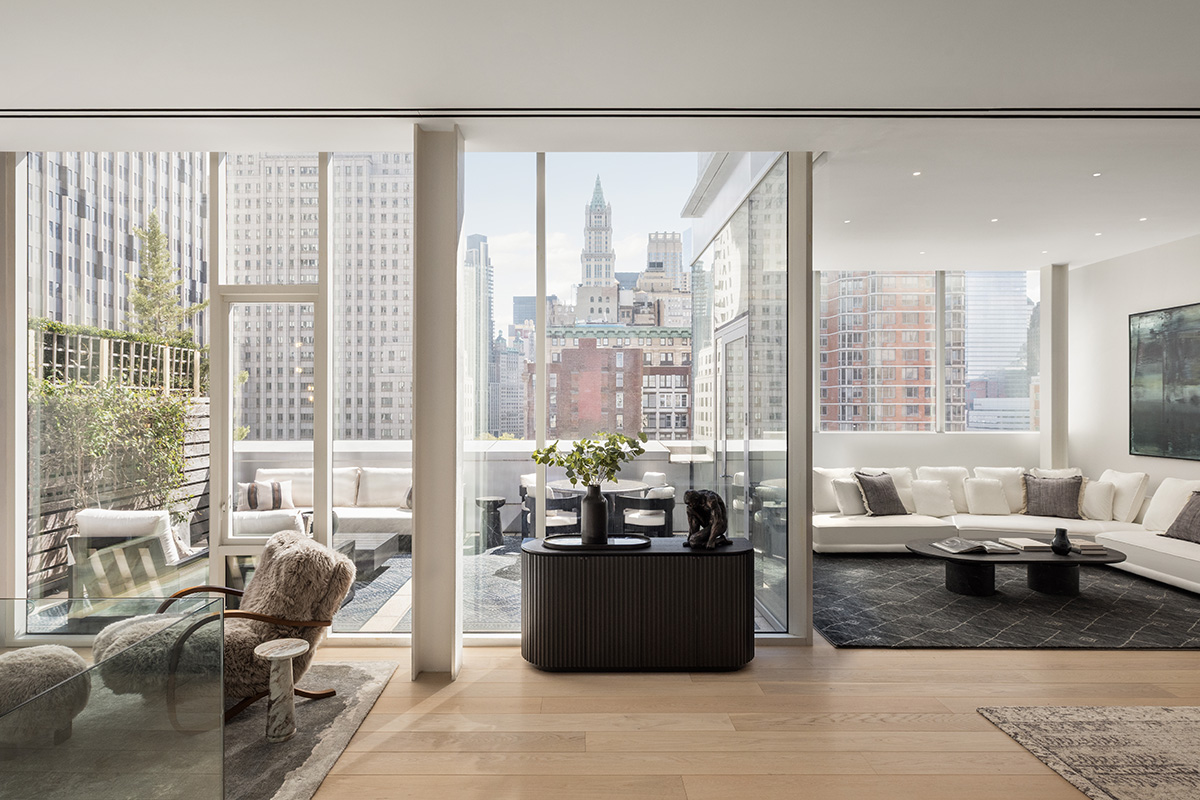
Tribeca is one of Manhattan’s most distinctive residential neighborhoods. Originally known for its industrial and warehouse buildings, the area has evolved into one of New York City’s premier luxury residential enclaves. Historic lofts, converted warehouse buildings, luxury apartments, penthouses, and a limited collection of townhouses create a diverse architectural landscape that offers exceptional opportunities for residential design, renovation, and development. Tribeca is widely recognized for its combination of historic architecture, luxury residences, and a level of privacy that is rare in Manhattan.
A Tribeca residential architect helps homeowners plan, design, renovate, and transform luxury homes while navigating the unique opportunities and constraints of the neighborhood’s buildings. Residential architecture in Tribeca often involves reimagining loft layouts, renovating apartments and penthouses, evaluating properties for conversion, coordinating regulatory approvals, and creating highly customized homes tailored to the way people live.
I am Jorge Fontan, owner of Fontan Architecture, a Manhattan-based architecture firm specializing in high-end residential projects. We work on lofts, apartments, penthouses, townhouses, and residential conversions throughout New York City. In this article, we discuss the types of homes found in Tribeca, design considerations for luxury residences, renovation opportunities, planning and approval requirements, key factors to consider when selecting a Tribeca residential architect, and several of our residential projects in the neighborhood.
Table of Contents
Residential Architecture: Types of Tribeca Homes
Tribeca offers one of the most distinctive collections of residential properties in New York City. The neighborhood’s industrial history, large development sites, and ongoing evolution have created a diverse mix of luxury homes that includes historic lofts, modern apartments, penthouses, and townhouses. Each property type presents unique architectural opportunities and planning considerations, making it important to understand the characteristics of the building before beginning a renovation or design project.
Historic Loft Buildings and Warehouse Conversions
Tribeca is best known for its historic loft buildings. Many of these structures were originally constructed as warehouses and manufacturing buildings before being converted into residential use. Loft apartments often feature expansive floor plates, high ceilings, large windows, exposed structural elements, and open layouts. These characteristics create exceptional opportunities for custom residential design while also requiring thoughtful planning to organize space, circulation, storage, and privacy within large open interiors.
Luxury Apartments and Penthouses
Alongside its historic lofts, Tribeca contains a growing collection of luxury residential buildings with modern apartments and penthouses. These homes often combine sophisticated interior architecture with premium amenities, expansive city views, and private outdoor spaces. Architectural planning frequently focuses on maximizing natural light, creating strong connections between interior and exterior spaces, and developing highly customized living environments tailored to each owner’s lifestyle.
Tribeca Townhouses
Although less common than lofts and apartment buildings, Tribeca contains a limited collection of townhouses and townhouse-style residences. These properties offer a different residential experience characterized by multiple levels, private entrances, outdoor space, and a strong connection to the streetscape. Townhouse projects often involve balancing modern living requirements with the architectural character of the existing structure.
Tribeca’s townhouses generally fall into two categories:
Original Townhouses
A small number of historic homes in Tribeca were originally constructed as townhouses. These properties share many characteristics with townhouses found elsewhere in Manhattan, including vertically organized floor plans, private outdoor space, and historic architectural details.
Townhouse Conversions
Tribeca also contains former commercial, industrial, and mixed-use buildings that have been converted into single-family residences. These projects often offer unique opportunities because the buildings were not originally designed as homes. Former warehouses, garages, and commercial structures can provide exceptional volume, large windows, private outdoor space, and highly customized living environments. While these conversions require careful planning, zoning review, and technical coordination, they can result in some of the most distinctive residences in the neighborhood.
The variety of residential building types found throughout Tribeca contributes to the character that makes the neighborhood one of Manhattan’s most sought-after places to live. Understanding the opportunities and constraints of each property type is an important first step in creating a successful luxury home design.
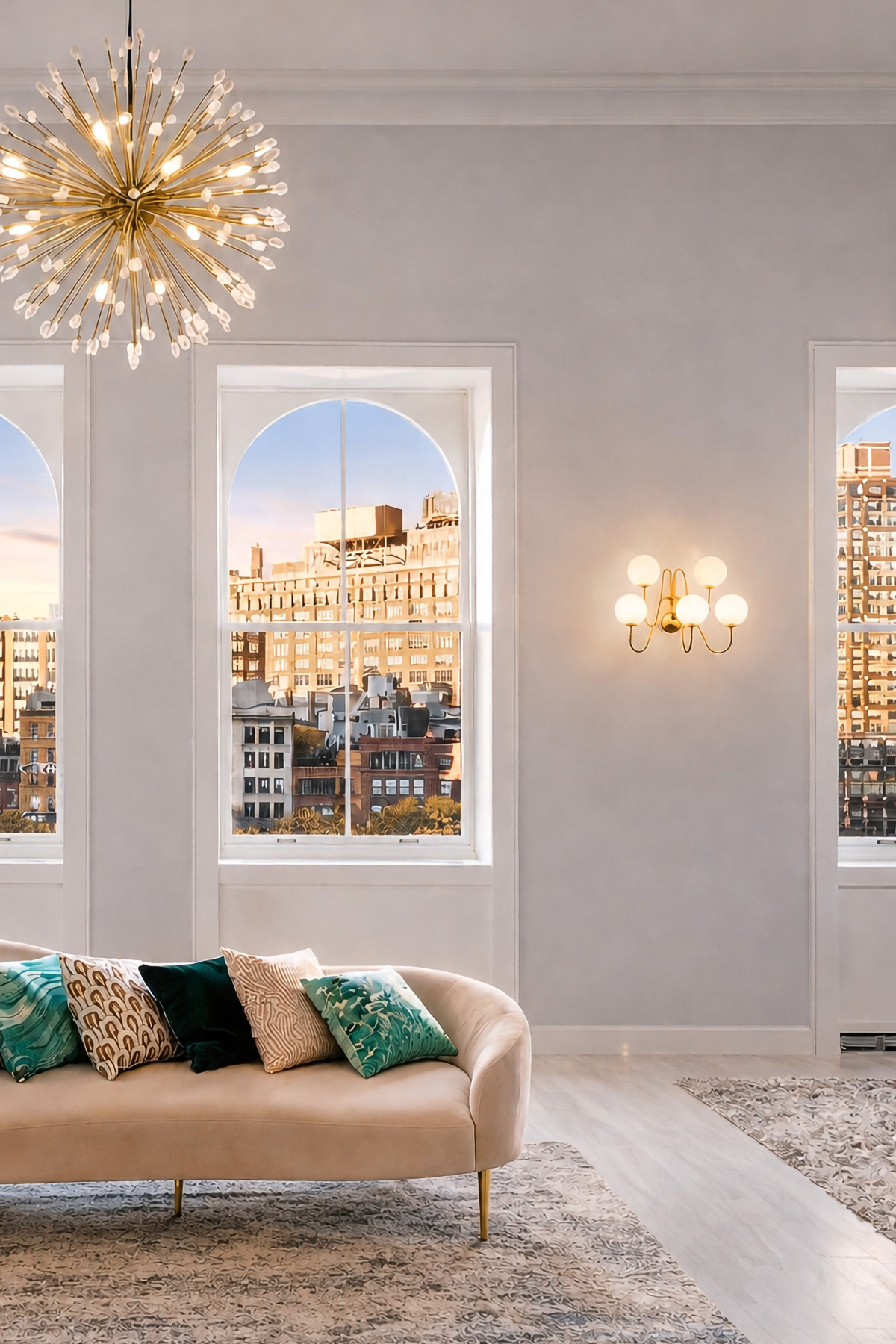
Tribeca Loft Apartment
Designing Luxury Homes in Tribeca
Tribeca’s residential architecture presents unique opportunities for luxury home design. Historic lofts, modern apartments and penthouses, historic townhouses, and converted residential buildings each have distinct characteristics, yet many of the same design principles apply across building types. Successful projects begin with a clear understanding of how people want to live in the space and how the architecture can support that vision. Design decisions related to planning, light, materials, and craftsmanship all contribute to the experience of a luxury home.
Planning, Layout, and Circulation
The organization of rooms, circulation paths, and the relationship between public and private spaces have a great impact on how a home feels and functions. Tribeca homes frequently offer generous floor areas, creating opportunities to establish clear zoning for entertaining, family living, work, private retreats, and the creation of great rooms. Thoughtful planning creates a sense of ease throughout the home while supporting the daily routines of the people who live there. Proportion and scale often have a greater impact on the experience of a luxury home than many people realize.
Natural Light and Views
Natural light is one of the defining characteristics of many Tribeca residences. Historic loft buildings often feature large industrial windows, while penthouses and newer residential buildings may incorporate expansive glazing and outdoor spaces. Architectural design can enhance these qualities by carefully positioning rooms, preserving sight lines, and creating connections between interior spaces and the surrounding cityscape. In many luxury homes, light becomes one of the primary elements shaping the experience of the space.
Material Selection and Interior Finishes
Material selection plays a central role in defining the character of a luxury residence. Stone, wood, metal, plaster, and custom millwork contribute texture, durability, and visual richness to a home. In Tribeca, material palettes often respond to the architectural context of the building, balancing contemporary living with the neighborhood’s industrial heritage. Careful attention to materials and detailing helps create spaces that feel refined, cohesive, and enduring.
Custom Architectural Features
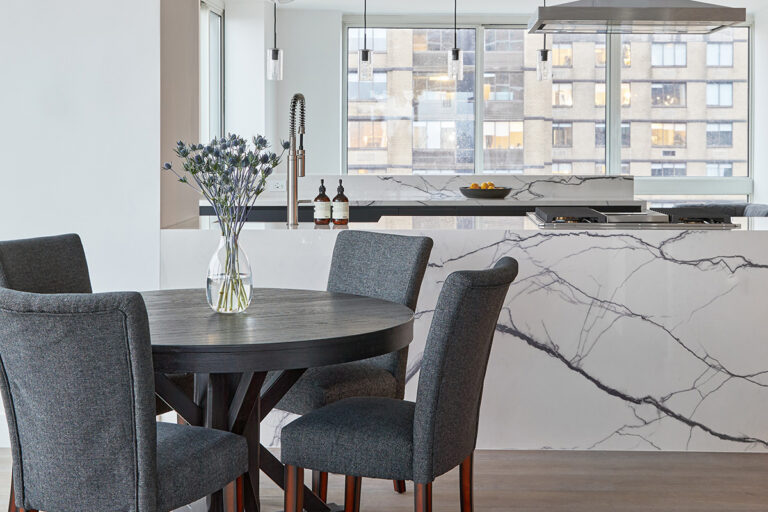
Many luxury homes include bespoke elements that are designed specifically for the project and the people who will live there. Custom kitchens, integrated storage, architectural lighting, millwork, interior staircases, and specialty rooms can all contribute to a more personalized environment. These features are most successful when they are integrated into the architecture of the home and support the overall design vision.
What Defines a Luxury Home?
Luxury homes come in many forms, but the most successful projects often share two defining characteristics.
The first is personalization. A luxury home is designed specifically for the people who live there. The layout, organization, architectural features, and aesthetic character of the home should respond to the owner’s lifestyle, priorities, and preferences. Luxury residential design should focus on creating spaces that feel highly tailored to the individual.
The second is quality of execution. Luxury architecture is realized through careful planning, refined detailing, high-quality materials, and skilled craftsmanship. The success of a project is often found in the precision of its construction, the thoughtful integration of materials, and the attention given to every detail within the home. When design intent and execution are aligned, the result is a residence that feels cohesive, enduring, and deeply considered.
At its best, luxury residential architecture combines bespoke design with exceptional execution, creating homes that are both highly personal and built to the highest standards of quality.
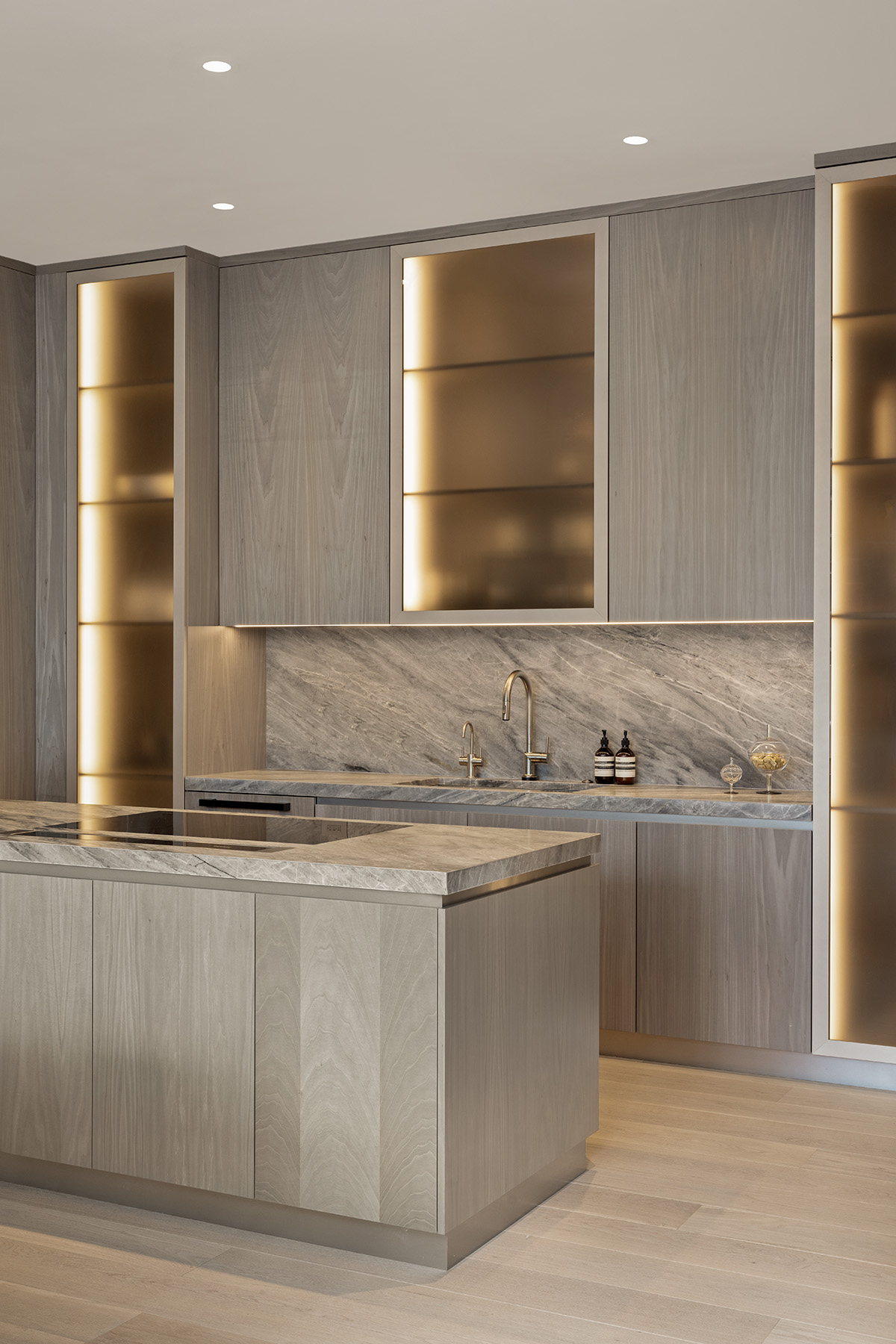
Custom Kitchen Design in Tribeca NYC
Tribeca Loft Renovations
Tribeca is synonymous with loft living. Many of the neighborhood’s most sought-after residences occupy former warehouse and industrial buildings that have been converted into homes. These properties offer a combination of scale, character, and flexibility that is difficult to find elsewhere in Manhattan. High ceilings, expansive floor plates, oversized windows, exposed structural elements, and historic architectural details create opportunities for highly customized residential design.
Characteristics of Tribeca Lofts
Tribeca lofts differ significantly from conventional apartments. Large open floor plans provide flexibility for organizing living, dining, entertaining, work, and private spaces. Structural columns, exposed masonry, timber framing, cast iron, and industrial materials contribute to the architectural character of many buildings.
Tribeca lofts often provide an uncommon level of spatial freedom. Large floor plates allow entire homes to be organized around a few defining spaces rather than a series of smaller rooms. This flexibility creates opportunities to establish dramatic great rooms, gallery-like circulation paths, and highly customized living environments.
Planning a Loft Renovation
Successful loft renovations begin with a careful assessment of the existing building and the owner’s goals. The scale of a loft provides opportunities to create dramatic living spaces while also requiring thoughtful planning to establish privacy, storage, circulation, and functional relationships between rooms. Many projects involve reimagining the entire layout, introducing custom millwork, refining architectural details, and improving the connection between different areas of the home.
The most successful loft renovations balance openness with organization. Public spaces can feel expansive and connected while bedrooms, home offices, and private areas remain comfortable and distinct. Architectural planning plays an important role in creating this balance and shaping how the home functions on a daily basis.
Tribeca Loft Design and Architecture
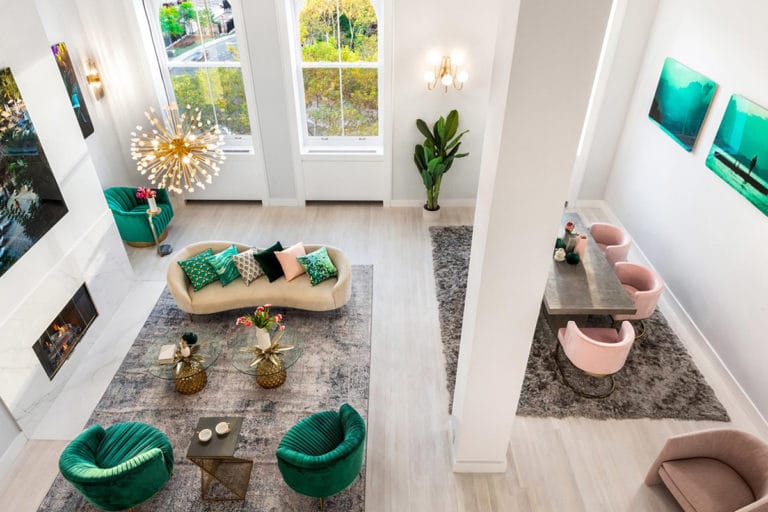
One of our Tribeca loft projects involved the complete transformation of a historic loft apartment into a highly customized residence tailored to the owner’s lifestyle. The design focused on improving spatial organization, enhancing natural light, and creating a cohesive architectural language throughout the home. Custom millwork, carefully selected materials, and detailed planning helped establish a balance between the building’s industrial character and a refined contemporary living environment.
The owner envisioned a home that felt calm, minimal, and grand. We developed the design around a restrained palette of whites and soft neutral tones, allowing proportion, scale, and natural light to become defining architectural elements. As the centerpiece of the loft, we created a grand great room that serves as the primary living space and organizing element of the home. The open volume of the room reinforces the scale of the historic loft while providing a flexible environment for everyday living, entertaining, and gathering.
The design emphasizes thoughtful restraint, allowing the architecture, light, and proportions of the space to define the character of the home.
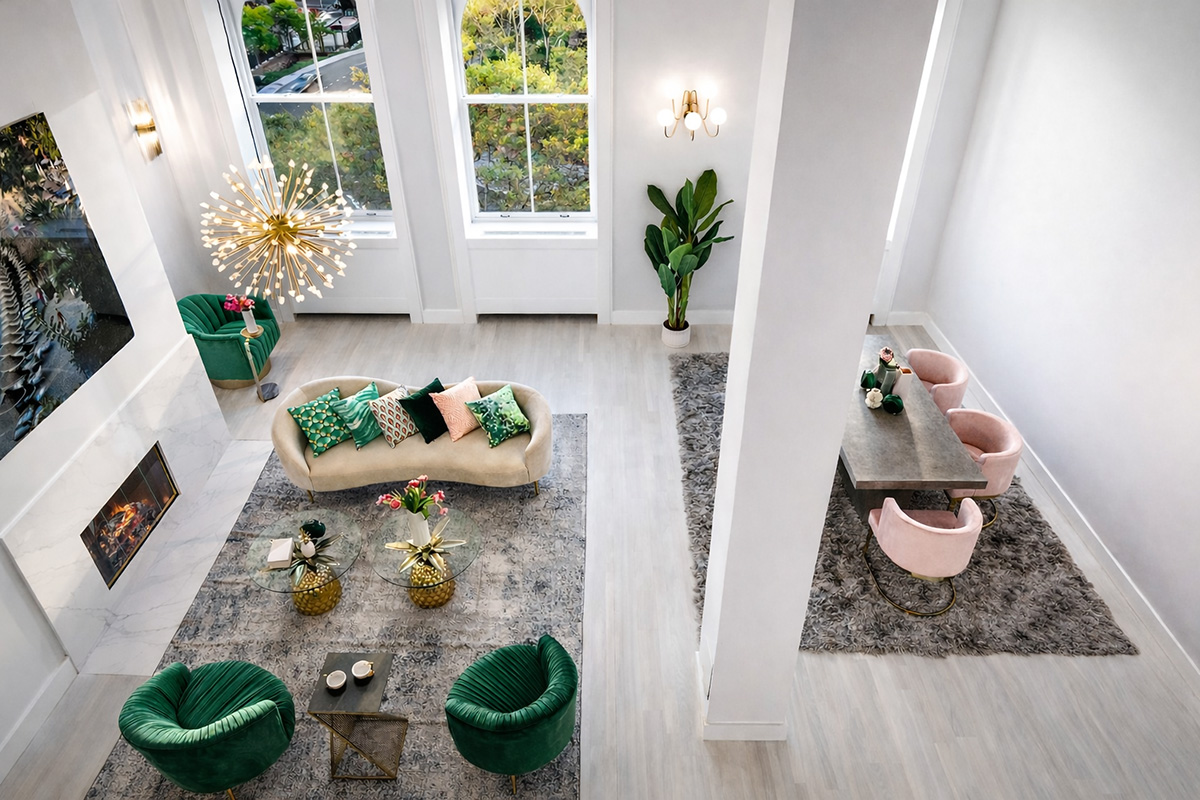
Tribeca loft design with great room
Tribeca Apartment & Penthouse Renovations
Tribeca contains some of Manhattan’s most desirable luxury apartments and penthouses. These residences range from homes within historic converted buildings to modern developments featuring expansive layouts, private outdoor spaces, and panoramic city views. Renovation projects often focus on improving functionality, refining architectural character, and creating highly personalized living environments tailored to the owner’s lifestyle.
See our related article for a look at our Tribeca Luxury Apartment Architectural Services.
Luxury Apartment Renovations in Tribeca
Apartment renovations provide opportunities to reimagine existing layouts, improve circulation, introduce custom millwork, and enhance the overall quality of the living environment. Many projects involve opening spaces, creating stronger relationships between rooms, upgrading kitchens and bathrooms, and developing a more cohesive architectural language throughout the home.
In luxury residences, design decisions often focus on proportion, natural light, material selection, and craftsmanship. Careful planning allows each element of the home to work together while supporting the practical requirements of daily life.
Penthouse Design and Renovation
Penthouses present a unique set of architectural opportunities. Expansive views, abundant natural light, and private outdoor space create possibilities that are rarely available elsewhere in the city. Architectural planning often focuses on strengthening the relationship between interior and exterior spaces while taking advantage of light, views, and the overall setting of the home.
Many penthouse projects involve creating seamless transitions between indoor and outdoor living areas, refining circulation, and developing spaces that feel both open and comfortable. Material selection, detailing, and spatial organization all contribute to creating a residence that responds to its unique location and setting.
Tribeca Penthouse Renovation
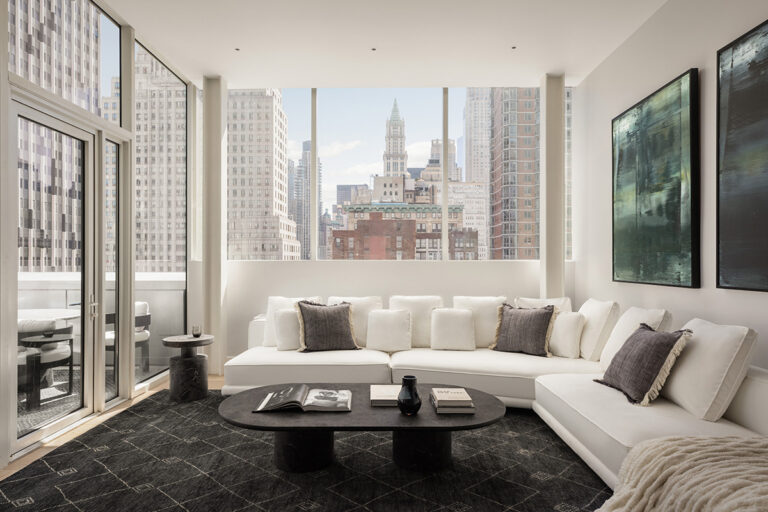
One of our Tribeca penthouse projects involved the complete renovation of a luxury residence with private outdoor space and expansive city views. The design focused on creating a calm and cohesive living environment while strengthening the connection between the interior and exterior portions of the home.
Private terraces and rooftop spaces create opportunities to extend living areas beyond the interior footprint of the home. Architectural planning often focuses on creating strong visual and physical connections between indoor and outdoor spaces while balancing privacy, views, sunlight, and environmental exposure.
Large expanses of glass, carefully considered material selections, and an open floor plan allow natural light to move throughout the residence while framing views of the surrounding cityscape. The project demonstrates how thoughtful planning and architectural design can transform a penthouse into a highly personalized home that balances comfort, functionality, and luxury living.
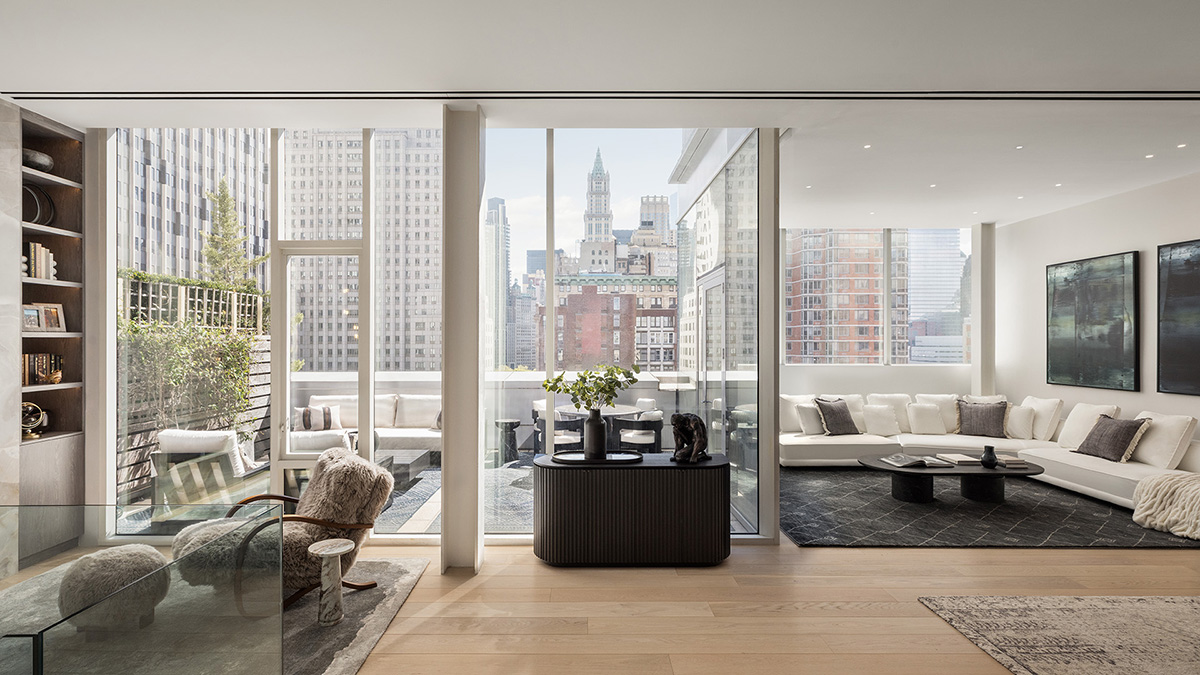
Tribeca Luxury Apartment Renovation
Planning, Approvals, and Construction for Residential Projects in Tribeca
The neighborhood’s historic buildings, luxury residential properties, and dense urban environment often create planning, regulatory, and technical considerations that influence design, approvals, and construction. Understanding these factors early in the process helps establish realistic project goals and supports a smoother renovation experience.
Existing Buildings and Building Conditions
Many Tribeca residences occupy historic loft buildings, converted industrial structures, and older apartment buildings. Existing conditions can significantly influence design decisions and construction planning. Structural systems, mechanical infrastructure, building layouts, and historic architectural features often require careful evaluation before renovation work begins.
Condominium and Cooperative Board Approvals
Apartment and loft renovations in Tribeca require review and approval by condominium or cooperative boards. Building requirements may affect project schedules, construction procedures, work hours, insurance requirements, and alteration agreements. Coordinating these requirements is an important part of the planning process.
Permits and Regulatory Requirements
Residential renovations, additions, and building new homes in New York City require permits and approvals from the Department of Buildings. Depending on the scope of work, projects may also involve additional reviews related to building systems, occupancy requirements, zoning regulations, or other regulatory considerations. Early planning helps identify approval requirements and integrate them into the overall project schedule.
Construction Administration
Construction administration is an important part of delivering a successful residential project. During construction, we continue to work with owners, contractors, consultants, and building management to help ensure that the project is executed in accordance with the design intent and construction documents.
Architectural construction administration often includes reviewing contractor submittals and shop drawings, responding to requests for information, coordinating with consultants, conducting site visits, and monitoring construction progress. The architect also serves as a resource for addressing unforeseen conditions that may arise during construction and helping resolve issues as they occur.
For luxury residential projects, construction administration provides an additional layer of oversight and quality control. Architects help evaluate the execution of design details, review material selections and mockups, coordinate design decisions during construction, and review payment requisitions as work progresses. This ongoing involvement helps maintain continuity between design and construction while supporting the successful completion of the project.
Landmark and Historic Considerations
Much of Tribeca’s architectural character is derived from its historic building stock, resulting in many properties being subject to landmark regulations or historic district requirements. Projects involving exterior modifications, windows, rooftop additions, or other visible changes may require additional review and coordination. Understanding these requirements early in the design process can help guide project planning and decision-making.
Choosing a Tribeca Residential Architect
Selecting an architect is one of the most important decisions in any residential project. The architect helps guide the process from early planning and design through approvals, construction documentation, and construction administration. A successful project requires more than creative design. It also depends on technical expertise, coordination, problem solving, and a clear understanding of how to transform an existing property into a highly functional and personalized home.
Experience with Existing Buildings
Many Tribeca residences occupy historic loft buildings, converted industrial structures, and older residential properties. Renovating these buildings often requires an understanding of existing conditions, structural systems, building regulations, and the unique opportunities presented by the architecture of the space. Experience working within existing buildings can help inform design decisions and support a smoother project process.
Pre-Purchase Consultation
Architectural guidance can be valuable before a property is purchased. Pre-purchase consultations help prospective buyers understand the opportunities and constraints of a property before making a significant investment. Depending on the building, this may include reviewing existing conditions, evaluating renovation potential, identifying zoning or regulatory considerations, and discussing possible design strategies.
In Tribeca, pre-purchase evaluations can be particularly valuable for lofts, penthouses, townhouses, and buildings being considered for residential conversion. Understanding a property’s potential early in the process can help buyers make more informed decisions and establish realistic expectations for future renovations.
Design and Planning Expertise
Luxury residential projects benefit from thoughtful planning that considers how the home will function on a daily basis. Space planning, circulation, natural light, storage, custom millwork, and material selection all contribute to the overall experience of a home. A successful design balances aesthetics, functionality, and long-term value while responding to the specific goals of the owner.
Working with a Residential Architect in Tribeca
Residential projects often involve collaboration between architects, engineers, contractors, consultants, building management, and regulatory agencies. Effective coordination helps align these participants throughout the project and supports successful execution from design through construction.
At Fontan Architecture, we work on luxury residential renovations, additions, conversions, and new builds throughout New York City, including lofts, apartments, penthouses, and townhouses. Our approach combines thoughtful design, technical expertise, and detailed project coordination to help homeowners transform existing properties into highly personalized homes. We believe successful projects are built on careful planning, clear communication, and a deep understanding of both architecture and construction. Our goal is to create homes that are highly personalized for the people who live in them and realized through exceptional design, detailing, craftsmanship, and execution.
Request a Consultation with Fontan Architecture - 212 321 0194
Jorge Fontan, AIA, is an architect and founder of Fontan Architecture based in New York City. The firm focuses on residential design, including new homes and extensive renovations for discerning clients. Through collaborative dialogue that draws on the individuality of each client, projects develop as distinct architectural responses guided by thoughtful planning, precise detailing, and a commitment to creating enduring value.
Jorge Fontan, AIA, is an architect and founder of Fontan Architecture based in New York City. The firm focuses on residential design, including new homes and extensive renovations for discerning clients. Through collaborative dialogue that draws on the individuality of each client, projects develop as distinct architectural responses guided by thoughtful planning, precise detailing, and a commitment to creating enduring value.