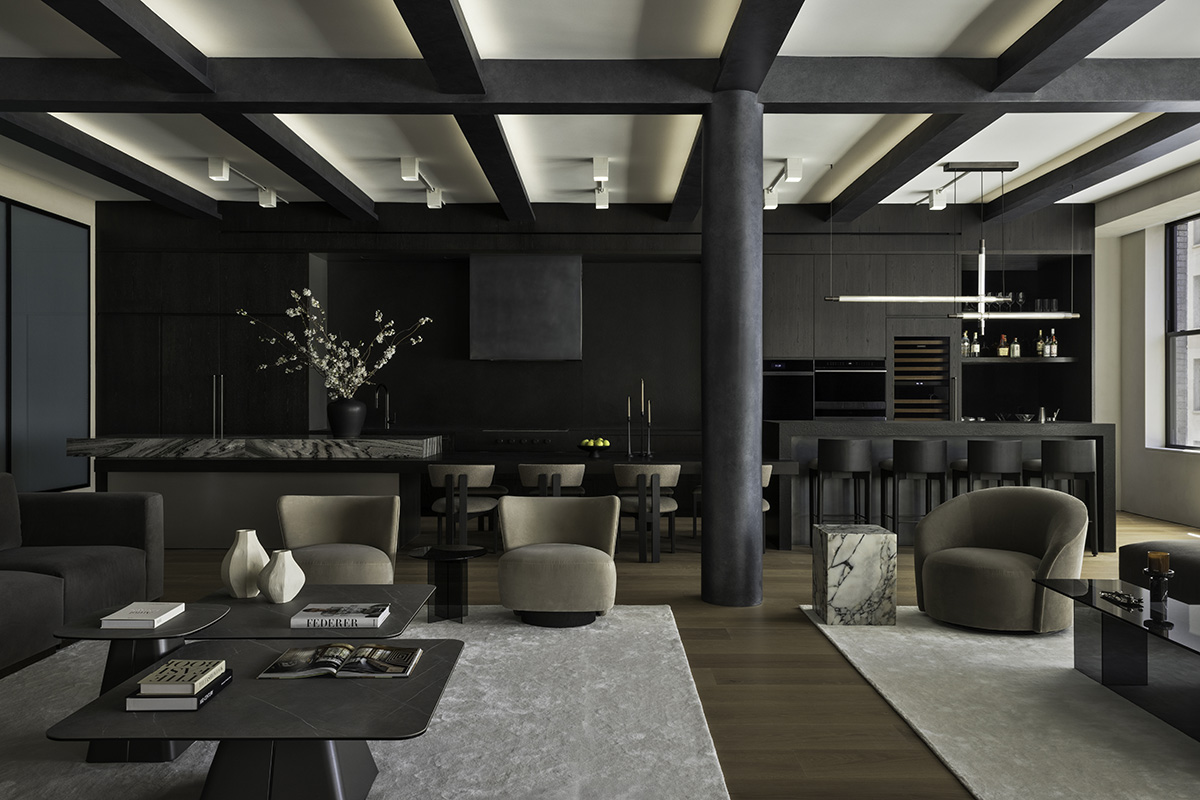
In New York City, a $3–5 million apartment renovation represents a substantial architectural project involving a high level of design, coordination, and execution. This level of investment is typically associated with a full-gut renovation and a comprehensive rethinking of the space, including layout, systems, architectural detailing executed with a high level of craftsmanship and attention to detail.
A $3–5 million apartment renovation in NYC typically supports a full gut renovation of a 3,000 to 6,000 square foot apartment, including major layout reconfiguration, new mechanical systems, fully custom kitchens and bathrooms, integrated millwork throughout, and comprehensive lighting and ceiling design executed to a high architectural standard.
I am Jorge Fontan, owner of Fontan Architecture, a Manhattan-based architecture firm specializing in high-end residential renovations. Our work focuses on complex apartment, loft, and townhouse renovations in New York City, with an emphasis on thoughtful design, detailed documentation, and careful coordination throughout construction. In this article, I will outline what a $3–5 million apartment renovation typically encompasses and the primary factors that influence cost, scope, and project strategy.
Table of Contents
Apartment Size and Budget Relationship
In our experience renovating apartments across New York City, residences between approximately 3,000 and 6,000 square feet frequently align with a $3–5 million budget for a full, high-quality renovation.
Projects of this scale typically involve:
- Complete demolition to slab
- Reconfigured floor plans
- Mechanical, electrical, and plumbing upgrades
- Fully custom kitchens and bathrooms
- Comprehensive custom millwork throughout
- Coordinated architectural lighting design
- High-end finish installations across the entire apartment
As square footage increases, overall cost rises proportionally due to expanded mechanical distribution, additional wet areas, increased millwork quantities, larger finish surfaces, and a higher level of detailing required throughout the space.
Apartments approaching 6,000 to 8,000 square feet can fall within this budget range when scope, level of finish, and quality are carefully managed. Maintaining a consistently high level of customization and detailing across larger apartments typically requires a higher overall construction budget.
The scope of work, level of architectural refinement, quality of materials and craftsmanship, and total square footage are the primary factors that determine final project cost.
Scope of Work at the $3–5 Million Renovation Level
A $3–5 million budget typically supports full architectural reconfiguration of a 3,000 to 6,000 square foot apartment.
This often includes:
- Removal of non-load-bearing walls
- Relocation of kitchens and bathrooms
- Creation of primary bedroom suites
- Addition of new bathrooms or powder rooms
- Integration of custom-designed home offices, libraries, or media spaces
- Full system upgrades (electrical panels, plumbing distribution, HVAC improvements, and smart home automation)
Rather than selective updates, this tier generally corresponds to a complete transformation addressing both infrastructure and finishes.
Materials, Finishes, and Detailing
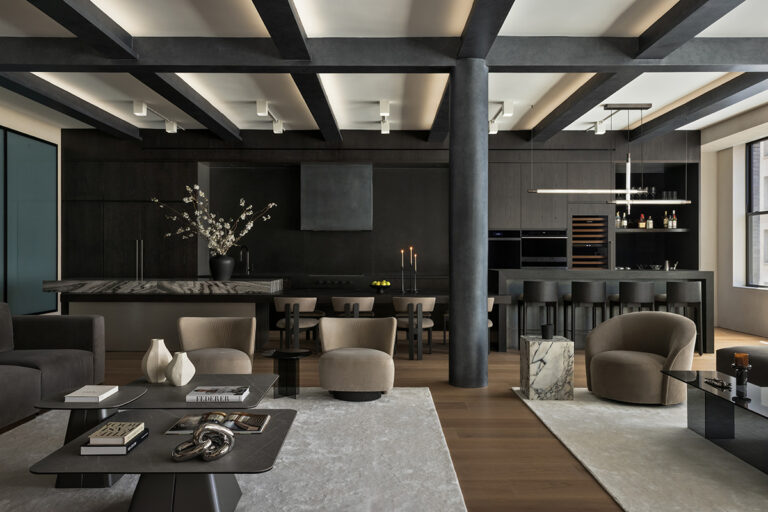
At the $3–5 million level, material selections are high-end, carefully curated, and fully integrated into the overall architectural design.
Common materials and applications include:
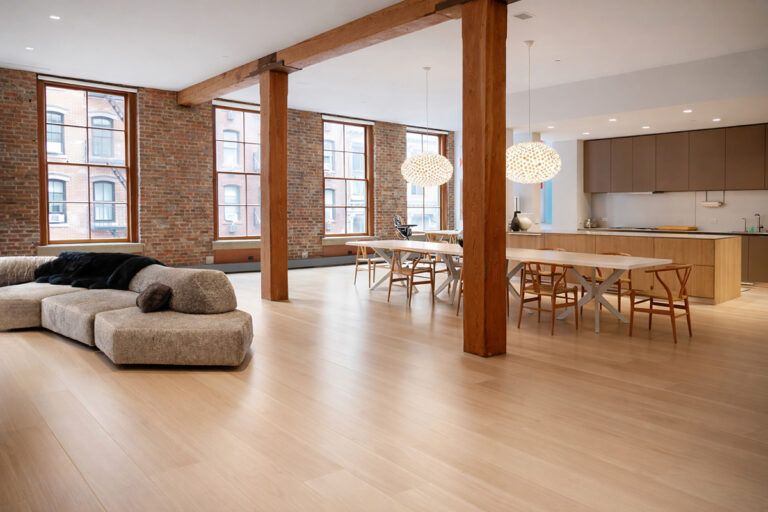
- Wide plank or custom-patterned wood flooring
- Marble, limestone, or quartzite feature applications
- Bronze, brass, or blackened steel hardware and trim
- Custom stone fabrication for kitchens and bathrooms
- Integrated lighting coves and architectural reveals
- Extensive custom millwork for kitchen, bathrooms, studies, and entertainment areas
Refined detailing—such as flush baseboards, frameless doors, shadow gaps, and precise material transitions—requires extensive design development and close coordination during construction. We often specify natural stone slabs rather than tile assemblies, and flooring layouts are frequently custom-designed to align with the architectural composition of the space.
The distinction at this level lies in the integration of materials, the precision of execution, and the consistency of detailing throughout the apartment.
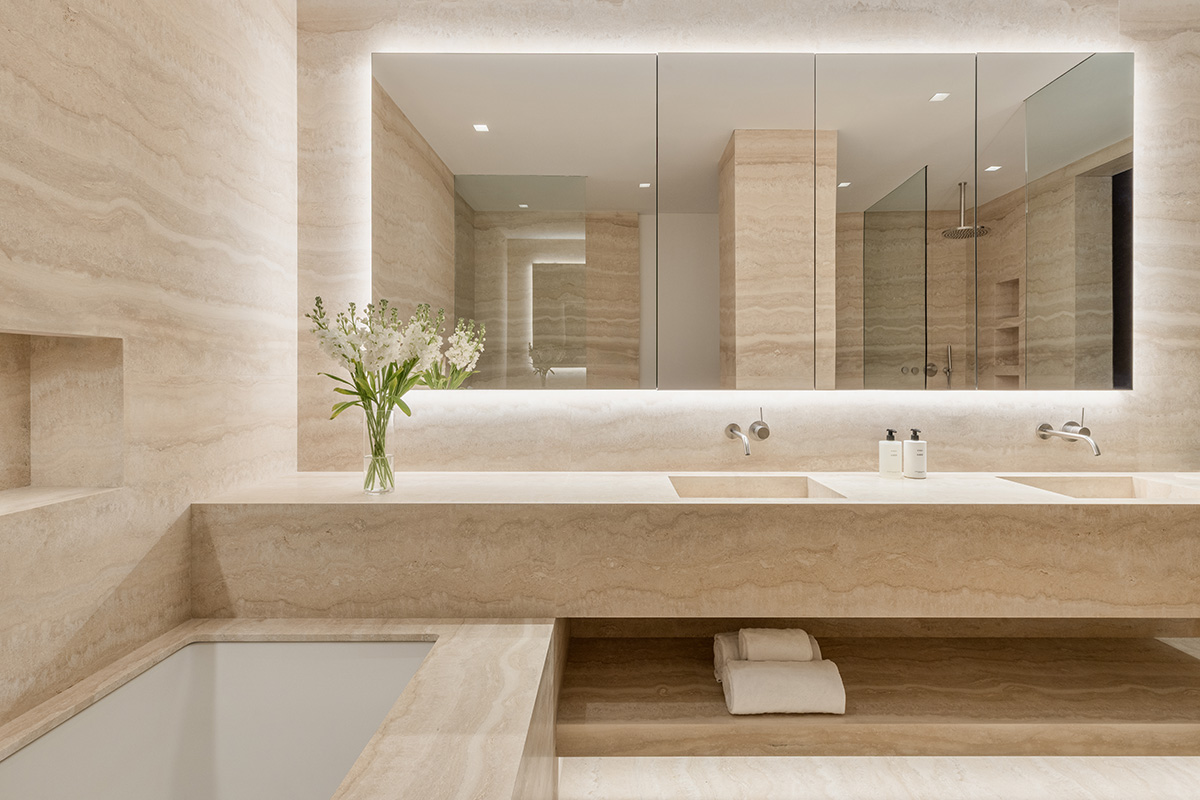
Luxury Stone Slab Bathroom in a Manhattan Loft
Customization and Bespoke Design
At the $3–5 million renovation level, customization defines the architectural character of the home. Design focuses on developing spaces and elements specifically for the apartment and the way the owner lives, with each component integrated into a cohesive architectural composition.
In apartments of this caliber, bespoke design typically includes:
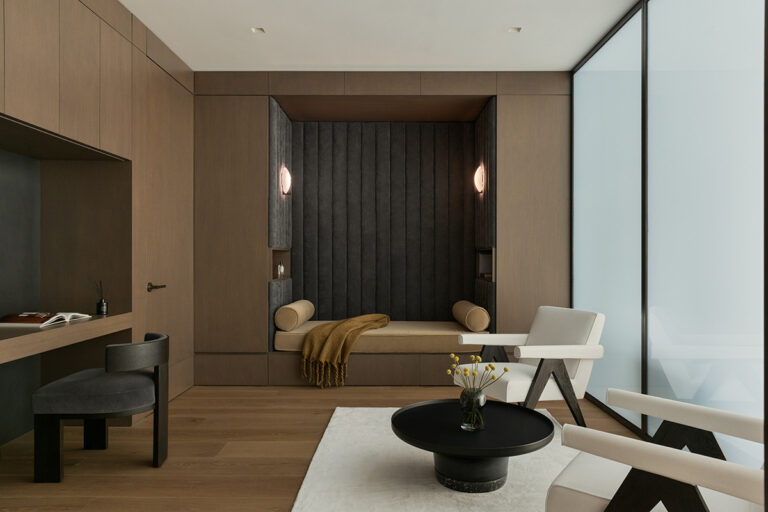
- Fully custom millwork designed and fabricated for the space
- Integrated wardrobes, storage systems, and display cases
- Built-in libraries and media walls
- Fully integrated architectural lighting
- Tailored kitchen layouts with coordinated appliance integration
- Refined stone detailing at vanities, niches, and transitions
- Concealed mechanical and ventilation coordination
Elements are dimensioned, detailed, and fabricated to align precisely with the architecture, resulting in a consistent level of quality and integration throughout the apartment.
This level of customization requires extensive design development, detailed shop drawing review, and close coordination between architect, fabricator, and contractor. Precision is critical, with careful control of craftsmanship, alignments, reveals, and material transitions to achieve a cohesive result.
At this level of investment, customization defines the spatial experience. The distinction between a well-finished apartment and a fully realized architectural renovation is expressed through these integrated, custom-designed elements.
A high-end home is defined by fully bespoke design and a high level of craftsmanship, expressed through careful detailing and precise execution.
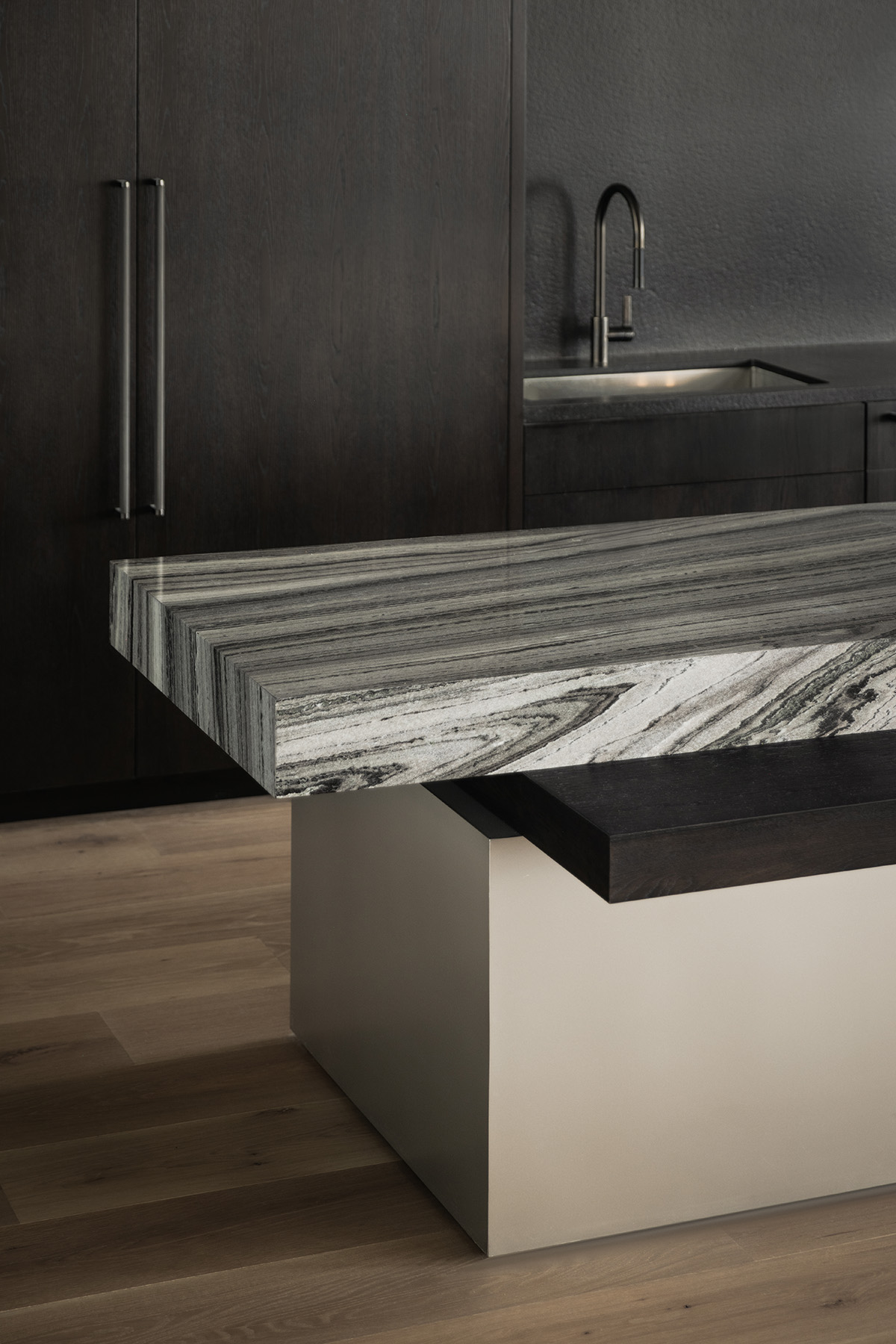
Custom Kitchen Island Detail
Architectural Detailing
In a $3–5 million apartment renovation, architectural detailing is a defining measure of quality. The character of the renovation is expressed through how materials meet, terminate, and transition.
Within this budget range, design attention focuses on precision at edges and intersections, with careful control of alignment, proportion, and material relationships.
This may include:
- Flush baseboard conditions
- Recessed or concealed door frames
- Integrated shadow reveals
- Lighting coves built into ceiling planes
- Clean stone-to-plaster transitions
- Custom millwork with controlled joint lines
- Minimal trim profiles and concealed hardware
These elements require disciplined coordination between architectural drawings, fabrication shop drawings, and on-site execution. Tolerances are anticipated and documented. We fully detail material transitions and carefully plan construction sequencing to maintain alignment and consistency.
Refined detailing creates visual continuity and a consistent level of quality throughout the apartment.
At this level of investment, detailing defines the architecture. It shapes spatial perception and determines whether the renovation reads as cohesive, intentional, and fully resolved.
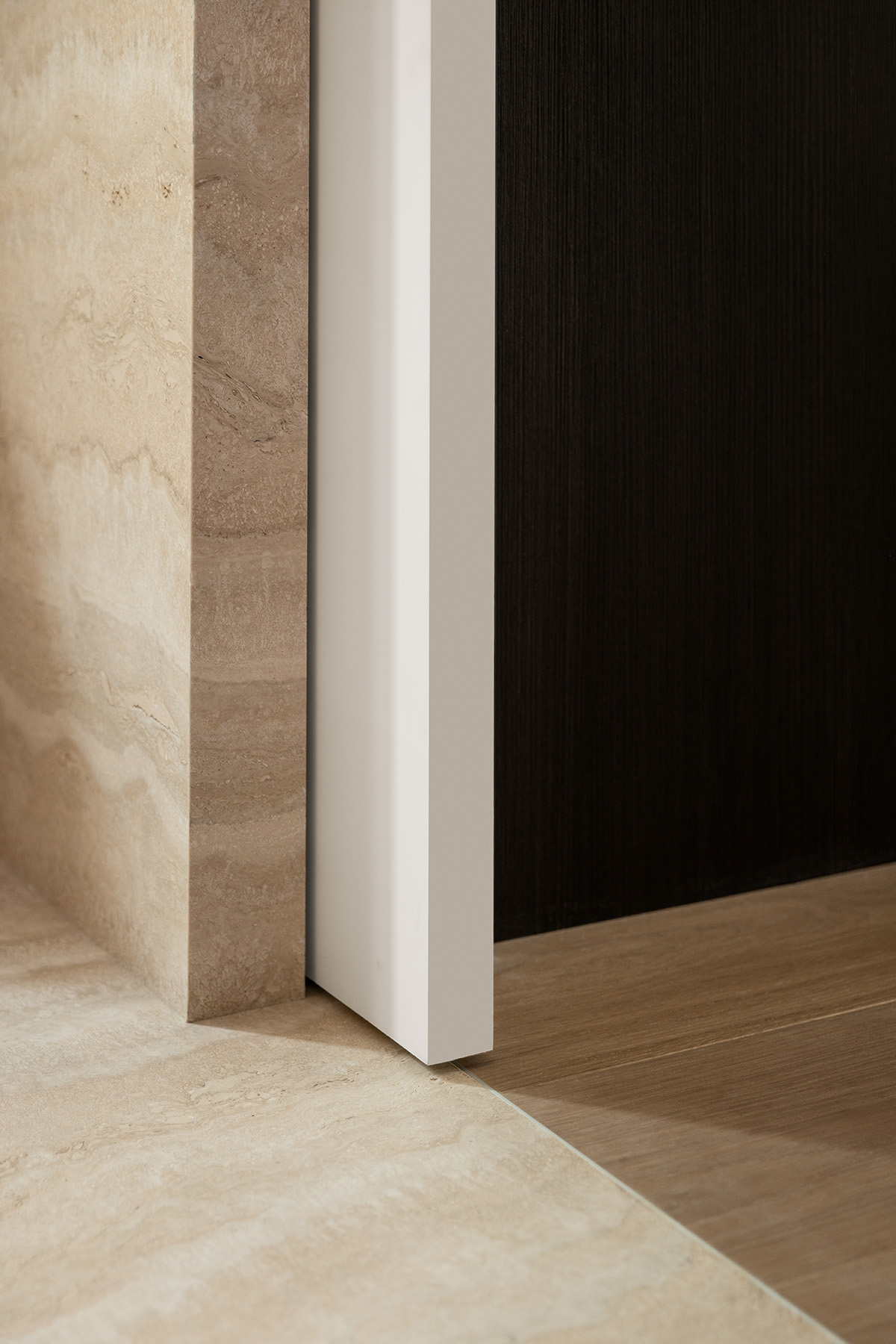
Custom Flush Floor Transition in a Loft Apartment
Architectural Services
Renovations in the $3–5 million range require full-service architectural involvement, with a high level of coordination, documentation, and oversight throughout all phases of the project.
Services typically include:
- Feasibility analysis and layout development
- Integrated architectural and interior design development
- Comprehensive material and product specification
- Coordination with structural and MEP engineers
- Detailed construction documents
- Co-op or condominium board submissions
- Permit filings and approvals
- Extensive construction administration and project oversight
As customization and detailing increase, the level of professional coordination expands accordingly. Projects of this nature require close collaboration between architect, consultants, fabricators, and contractor, with careful management of documentation, approvals, and construction execution. In Manhattan co-ops and condominiums, building regulations and board review requirements further influence project scope, timeline, and coordination.
For a detailed overview of the renovation process, see our guide on NYC Apartment Renovation Process: Step-by-Step Guide from an Architect.
Renovation Planning and Strategy
For buyers considering a large apartment in need of renovation, the renovation budget should be evaluated alongside the acquisition cost as part of an overall investment strategy.
A $3–5 million renovation materially influences total project cost, design potential, and long-term property value. Early architectural consultation helps establish:
- Feasibility of layout reconfiguration
- Alignment between design objectives and construction budget
- Anticipated project timeline and board review duration
- Existing building infrastructure constraints
Each apartment presents unique physical and regulatory conditions. Early architectural due diligence establishes whether the desired scope of work aligns with a $3–5 million renovation budget and identifies any limitations that may affect design and execution.
Renovations at this scale benefit from early architectural involvement to guide decision-making from the outset.
Planning a $3–5 Million Apartment Renovation in NYC
A $3–5 million apartment renovation in New York City represents a comprehensive architectural project requiring a high level of design, coordination, and execution. These projects involve full-gut renovations, personalized design attention, significant customization, and careful integration of materials, systems, and detailing throughout the apartment.
The final outcome is defined by the alignment between scope, budget, and design intent, supported by a structured architectural process and consistent attention to craftsmanship and precision. Early planning, clear documentation, and coordinated execution are critical to achieving a cohesive and fully realized result.
Fontan Architecture works on high-quality residential renovations throughout New York City, with a focus on complex, design-driven projects. We provide full architectural services from initial feasibility and planning, full architectural and interior design, construction oversight, and guiding clients through each stage of the process with a focus on design clarity, detailed coordination, and precise execution.
Request a Consultation with Fontan Architecture - 212 321 0194
Jorge Fontan, AIA, is an architect and founder of Fontan Architecture based in New York City. The firm focuses on residential design, including new homes and extensive renovations for discerning clients. Through collaborative dialogue that draws on the individuality of each client, projects develop as distinct architectural responses guided by thoughtful planning, precise detailing, and a commitment to creating enduring value.
Jorge Fontan, AIA, is an architect and founder of Fontan Architecture based in New York City. The firm focuses on residential design, including new homes and extensive renovations for discerning clients. Through collaborative dialogue that draws on the individuality of each client, projects develop as distinct architectural responses guided by thoughtful planning, precise detailing, and a commitment to creating enduring value.