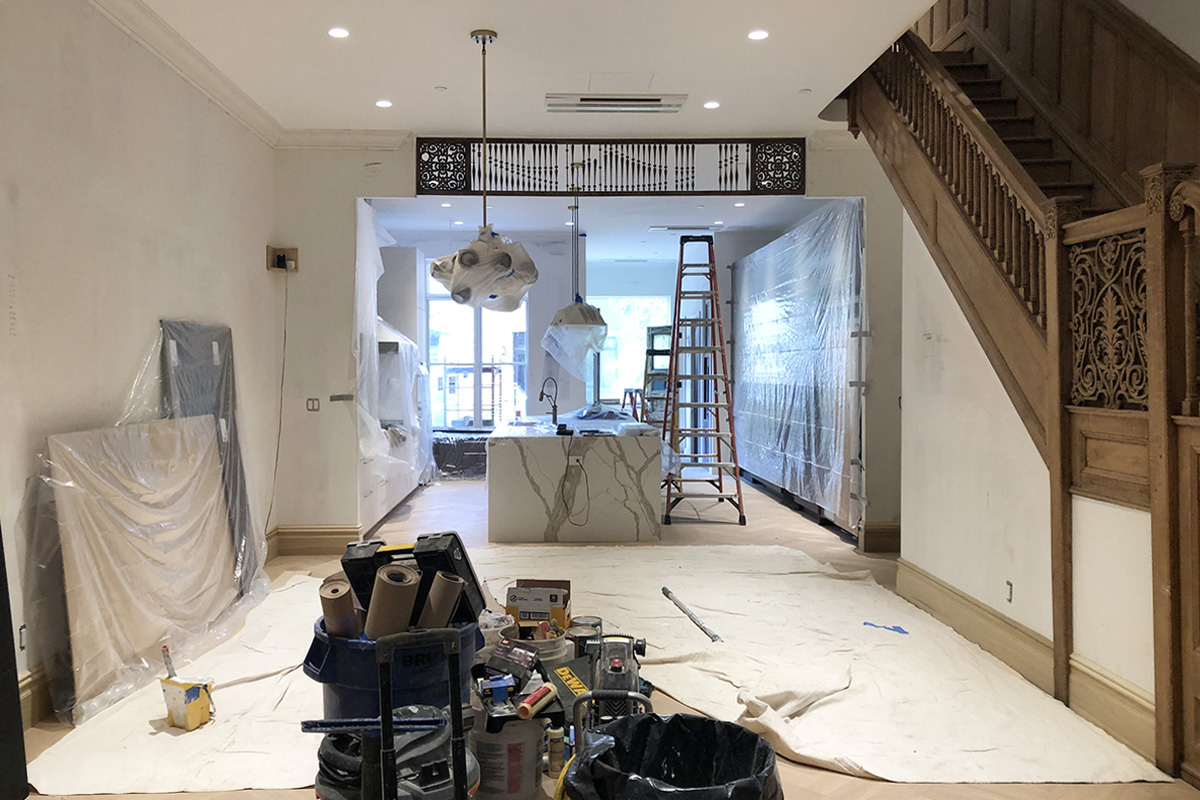
Renovation budgets involve many variables that shape a project’s overall cost. One effective way to understand this complexity is to organize the budget into three core categories.
The three primary drivers of a renovation budget are the scope of work, the team you hire, and the materials you select. Scope establishes the overall scale of the project. The construction team significantly affects pricing, execution, and efficiency. Material selections, while typically representing a portion of the total cost, can meaningfully influence the final budget depending on the level of finish.
Table of Contents
Scope of Work
Scope of work is the primary driver of a renovation budget. It establishes the scale of the project and determines how extensive the construction will be. Defining scope clearly at the outset is essential to aligning expectations and cost.
This begins by determining the extent of the renovation and identifying all work to be performed. A full gut renovation will require a significantly larger investment than selectively upgrading certain areas. Relocating plumbing or gas lines increases cost compared to maintaining their existing locations. Replacing flooring carries a different financial impact than refinishing what is already in place.
Scope also includes evaluating existing conditions and determining what must be repaired or replaced. The condition of the space can materially affect the budget, particularly when unforeseen issues are uncovered during construction.
The Renovation Team
The construction team plays a significant role in both cost and outcome. Contractors vary widely in pricing, organization, project management, and execution quality. These differences are reflected in their fees.
Higher-priced contractors often carry larger overhead, more experienced project management, and tighter quality control. Firms with established systems and skilled trades typically operate at a higher cost structure than smaller or less formal operations.
It is important to recognize that contractors are not interchangeable. Standards, staffing, scheduling practices, and attention to detail differ from one firm to another. Selecting the right contractor should align with the level of finish, coordination, and oversight required for the project.
The goal is to assemble a team capable of delivering the quality of work expected while maintaining discipline within the agreed budget.
What You Purchase
The materials and products selected for a renovation influence both the character and cost of the project. Pricing can vary substantially depending on quality, source, and level of finish. For example, natural stone may cost significantly more than porcelain tile. Wood flooring ranges widely based on species, grade, and installation. Appliances and fixtures also span a broad spectrum in price and performance.
This range provides one of the most practical opportunities to manage overall cost. However, reductions typically involve trade-offs in durability, craftsmanship, or aesthetic refinement.
Material decisions should be considered in balance with scope and contractor capability to achieve the desired result within the established budget.
Renovation Budget Factors
Renovation budgets are influenced by many variables, but most can be organized into three primary categories: scope of work, contractor selection, and material selection. Balancing these elements is essential to establishing a realistic and well-aligned project budget.
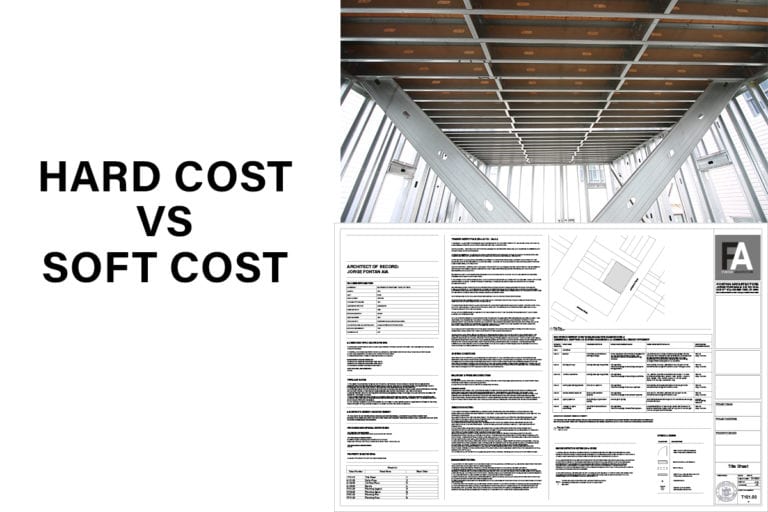
This discussion has focused on hard costs — the direct construction expenses that typically represent the largest portion of a renovation budget. Hard costs include labor, materials, and contractor services. Soft costs, such as architectural fees, engineering, permits, and filings, are additional considerations that should be accounted for early in the planning process. For further depth on the subject, see our related article on hard costs and soft costs.
If you are evaluating a renovation, early clarity around scope, team, and material decisions can help establish a disciplined financial framework. At Fontan Architecture, projects are approached with careful feasibility analysis, thoughtful planning, rigorous design development, and comprehensive construction oversight.
Request a Consultation with Fontan Architecture - 212 321 0194
Jorge Fontan, AIA, is an architect and founder of Fontan Architecture based in New York City. The firm focuses on residential design, including new homes and extensive renovations for discerning clients. Through collaborative dialogue that draws on the individuality of each client, projects develop as distinct architectural responses guided by thoughtful planning, precise detailing, and a commitment to creating enduring value.


Jorge Fontan, AIA, is an architect and founder of Fontan Architecture based in New York City. The firm focuses on residential design, including new homes and extensive renovations for discerning clients. Through collaborative dialogue that draws on the individuality of each client, projects develop as distinct architectural responses guided by thoughtful planning, precise detailing, and a commitment to creating enduring value.