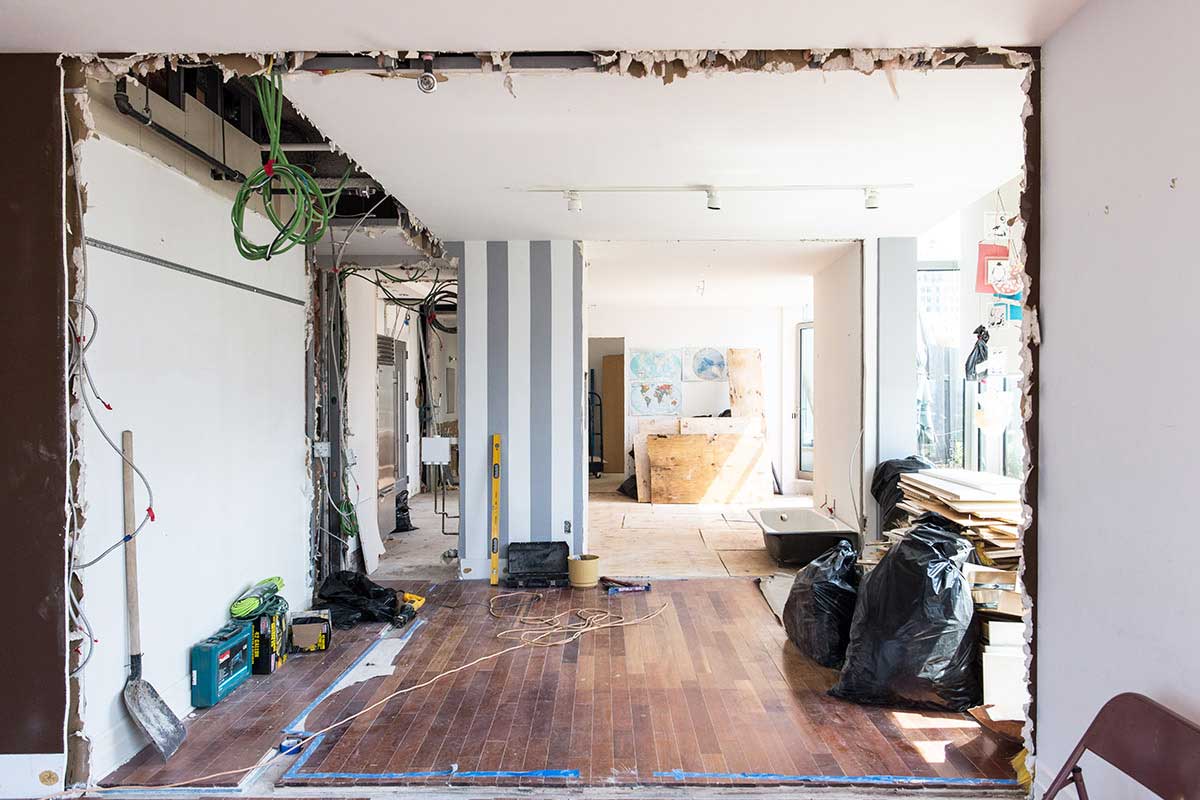
Starting an apartment renovation in New York City is a significant undertaking that combines design opportunity with technical and regulatory complexity. From assembling a team to establishing scope and budget, there are many decisions to address long before construction begins.
A successful renovation begins with the right team, a defined scope, budget, and then design. The architect leads this process, guiding the project from initial planning, design, through approvals, and construction to ensure coordination and execution at each stage.
I am Jorge Fontan, an architect and owner of Fontan Architecture, a New York City–based firm specializing in high-quality residential design. In this article, I outline the key steps involved in starting an apartment renovation, including planning, approvals, and preparing for construction.
Table of Contents
Pre-Purchase Consultation with an Architect
The process of an apartment renovation in New York City can begin long before the property is ever purchased. For buyers planning a renovation, consulting with an architect early allows for an evaluation of whether the apartment aligns with long-term goals. At our office, we often perform pre-purchase consultations to provide an initial assessment of the layout, constraints, budget, and renovation potential prior to closing.
This process typically includes a review of existing conditions, discussion of potential layout changes, and an evaluation of regulations that may impact the project. Early input helps identify opportunities, limitations, and potential cost implications before a purchase decision is finalized.
For buyers considering a property that requires renovation, a pre-purchase consultation provides clarity on feasibility, scope, and budget, allowing decisions to be made with a complete understanding of the project and the total investment, including acquisition and renovation costs.
Define Project Goals
The first step in an apartment renovation is defining the project goals. This begins with identifying how the apartment needs to function, how you want to live in the space, and the overall direction for the design. Initial decisions are made at a high level, establishing priorities before moving into detailed planning.
Establishing a budget is a critical part of this process. Budget and scope are directly related, and both must be considered together from the outset. In practice, renovation budgets are shaped by three primary factors: the scope of work, the project team, and the level of finishes and materials. These variables define the overall cost and must be aligned early in the process.
Project goals are not limited to layout and budget—they also define the character and consistency of the design. A well-defined concept ensures the apartment is resolved as a cohesive whole and tailored to the way the owners live. A successful renovation reflects a clear alignment between the design and the client’s lifestyle, preferences, and sensibilities.
Hiring an Architect
An architect leads the design and coordination of an apartment renovation from initial planning through construction. The process begins with developing the design, establishing scope and budget, and translating the project goals into a cohesive plan. This includes layout development, detailed design, and the preparation of technical construction drawings required for pricing, approvals, and permitting.
The architect also coordinates the project with the building and regulatory agencies, assists in contractor selection and bidding, and provides guidance throughout the pre-construction phase. During construction, the architect performs administrative roles, conducts site visits, and oversees the work to maintain alignment with the design intent and project documentation.
At project completion, the architect reviews the work, develops punch lists, and coordinates the close-out process, including final sign-offs and permit completion. The architect remains involved throughout the entire process to ensure continuity from design through execution.
Budget Framework
Renovation budgets are defined by three primary factors: scope of work, the project team, and the level of finishes and materials. These variables must be aligned early, as they establish the overall cost and direction of the project.
Scope of work is the primary driver of cost, ranging from limited upgrades to full gut renovations that involve structural, mechanical, and layout changes. The project team also plays a role, as different contractors and consultants bring varying levels of experience, coordination, and execution. The level of finishes and materials further influences cost, with higher-end selections requiring more precise detailing and installation.
Budget and design are developed together. Decisions made during the planning and design phases determine the trajectory of the project, making early alignment between scope, budget, and expectations critical to maintaining control throughout the renovation.
Building Requirements and Alteration Agreement
Apartment renovations in New York City are governed by building-specific rules outlined in an Alteration Agreement. This document is a contract between the property owner and the building that defines the requirements, limitations, and procedures for the proposed work.
The Alteration Agreement typically outlines construction requirements, working hours, insurance, required protections, and restrictions on the scope of work. These requirements vary from building to building and must be reviewed carefully at the outset of the project. The architect, contractor, and owner should all understand the agreement to ensure the work is coordinated in compliance with building regulations.
Specific restrictions can have a direct impact on the design. For example, many buildings enforce limitations on relocating wet areas, often referred to as “wet over dry” conditions. In some cases, limited modifications may be permitted with approval from the building, depending on the extent of the change and the proposed construction. These types of constraints must be evaluated early, as they can influence both layout decisions and project feasibility. Building requirements vary significantly and can materially affect the scope and direction of the renovation.
Building Management Review
Once the architectural design, drawings, and specifications are complete, the project is submitted to building management for review. Approval from the building is required before filing with the New York City Department of Buildings, making this a critical step in the process. The duration of the review varies depending on the building, management company, and the complexity of the proposed work.
In most cases, the building retains a reviewing architect to evaluate the submission. This review typically results in comments, questions, and requests for additional information. The project architect responds to these comments and may revise the drawings to incorporate building requirements, clarify design intent, or address specific conditions outlined by the building.
The building review process can be straightforward or involve multiple rounds of revisions, depending on the scope of work and the building’s requirements. These reviews often extend beyond drawings and may include site inspections during construction to verify compliance with approved documents.
Condo and Co-Op Board Approval
Following the building management review, the renovation must be approved by the condominium or cooperative board. Board approval is required before proceeding with the project and is typically based on the completed design, documentation, and any conditions established during the management review.
Projects that include special requests or deviations from standard building requirements may require additional review and consideration by the board. The approval process and timeline vary significantly depending on the building, its governance, and the scope of the proposed work.
In practice, some boards review and approve projects efficiently, while others require additional time and coordination. Regardless of the conditions, the project team works with building management and the board to address comments and move the approval process forward.
Department of Buildings Filing
In most apartment renovations, the architect files an Alteration application with the New York City Department of Buildings. This submission is reviewed by a plan examiner to ensure the proposed work complies with applicable codes and regulations.
The review process typically results in comments or requests for additional information. The architect responds to these comments and may revise the drawings to address code requirements or clarify aspects of the design. This review and response cycle continues until the application is approved.
The duration of the approval process varies depending on the scope of work and the complexity of the submission. Once approval is obtained, the project can proceed to permitting and construction.
Bidding
Bidding is the process of obtaining pricing and proposals from qualified contractors based on the construction drawings and project specifications. This allows for a comparison of cost, scope, and approach across multiple contractors.
The architect coordinates the bidding process, reviews proposals, and assists in evaluating the contractors. Depending on the project, bidding may involve multiple contractors or a direct selection with negotiated pricing.
The objective of this phase is to establish a complete and clearly defined construction cost prior to execution of the contract for construction.
General Contractor Selection
After the bidding process is complete, a general contractor is selected to execute the work. This decision should be based on a combination of experience, qualifications, and the contractor’s ability to deliver the project as designed.
Contractor proposals should be reviewed carefully, with attention to scope, pricing, and overall approach. The lowest bid is not necessarily the best option, as discrepancies in scope or assumptions can lead to issues during construction. A thorough evaluation ensures that the contractor understands the project and is aligned with the design and documentation.
The selection of a general contractor is a critical decision that directly impacts the quality and execution of the renovation. The architect typically assists in reviewing proposals and advising on contractor selection to help ensure the project proceeds as intended.
Obtaining Permits
The architect submits plans and documentation to the Department of Buildings for review. Following approval from the Department of Buildings, the project proceeds to permitting. The construction permit is issued under the general contractor’s license, and therefore cannot be obtained until a contractor has been selected.
Once the contractor secures the required permits, construction can begin in accordance with the approved plans and documentation.
Starting Construction
With permits in place, construction can begin. This phase involves executing the work in accordance with the approved drawings and coordinating between the contractor, architect, and building to maintain alignment throughout the project.
Construction requires careful oversight and coordination to ensure the work is completed as designed. With an experienced team in place, the process can proceed in an organized and controlled manner through to completion.
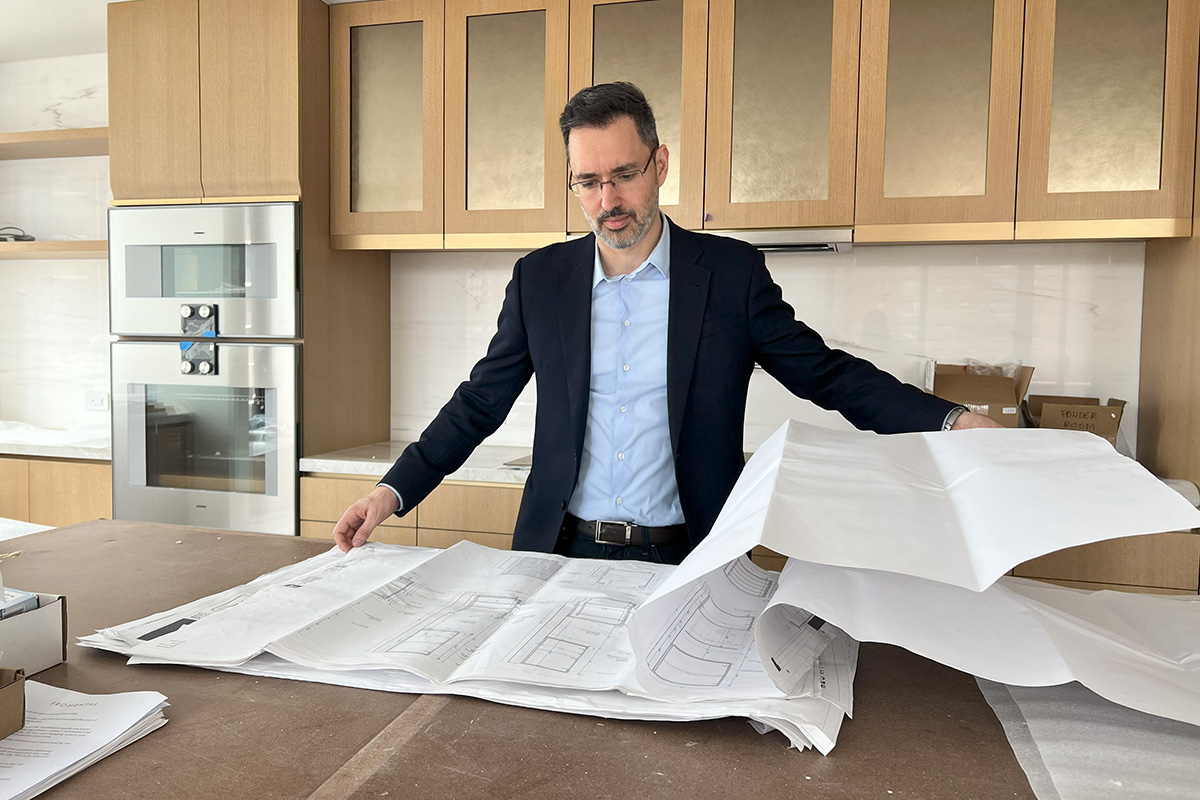
Architect Jorge Fontan on an Apartment Remodel in NYC
Starting an Apartment Renovation in NY
Apartment renovations in New York City involve a defined process that requires coordination between design, regulatory approvals, and construction. Each phase builds on the next, and early planning establishes the framework for the entire project.
With the right team and a structured approach, the renovation can proceed with clarity and control from initial planning through completion.
At Fontan Architecture we work closely with clients to develop thoughtful design strategies and guide projects from concept through construction. If you are considering purchasing or renovating an apartment in New York City, our team can help you navigate the design process and develop a home that fully realizes the potential of the space.
Request a Consultation with Fontan Architecture - 212 321 0194

Jorge Fontan, AIA, is an architect and founder of Fontan Architecture based in New York City. The firm focuses on residential design, including new homes and extensive renovations for discerning clients. Through collaborative dialogue that draws on the individuality of each client, projects develop as distinct architectural responses guided by thoughtful planning, precise detailing, and a commitment to creating enduring value.