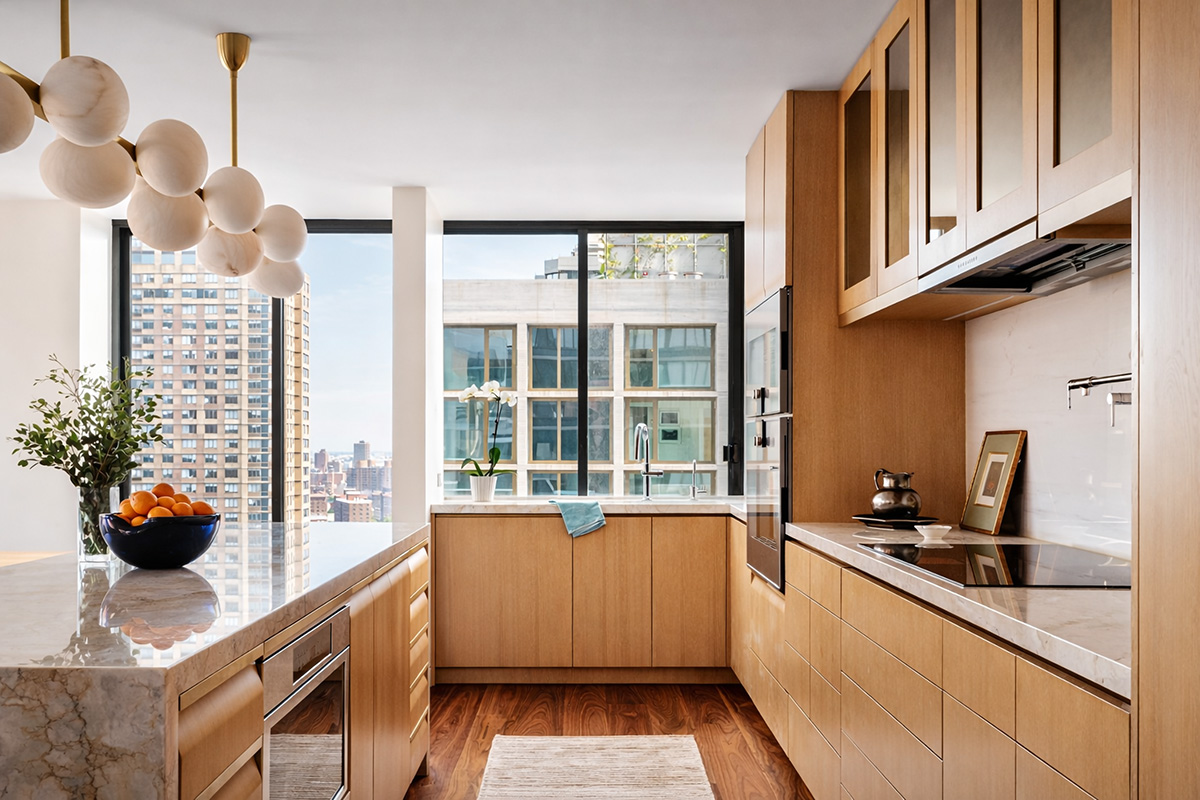
Renovating an apartment in New York City requires a clear understanding of building-specific house rules and renovation policies. Condominiums and cooperative buildings establish detailed requirements that govern design, construction, scheduling, and approvals. These rules directly influence the feasibility of design decisions, the sequencing of work, and the overall execution of a project.
NYC condo and co-op renovations are governed by alteration agreements, board approvals, and building policies that regulate scope, construction methods, working hours, and financial requirements. These constraints shape the design and construction process from the outset and must be incorporated into project planning to achieve approval and successful execution.
I am Jorge Fontan, owner of Fontan Architecture, a Manhattan-based architecture firm specializing in high-end residential renovations. We approach condo and co-op renovations through a coordinated process that integrates design, technical development, and regulatory compliance from the earliest stages. Our work involves navigating complex building policies while maintaining a strong focus on architectural, spatial, and aesthetic clarity. We develop each project as a fully coordinated system where design intent and technical execution advance together, ensuring that approvals, construction, and final outcomes align with the highest standards and owner expectations.
Table of Contents
Condo & Co-Op Renovation Rules
Condominiums and cooperative buildings operate under different ownership and governance structures, but both maintain strict control over renovations. Each building establishes its own house rules, alteration agreements, and review procedures that regulate design, construction, and approvals.
Renovation policies in NYC operate on a case-by-case basis. Some buildings maintain highly controlled environments with extensive documentation, detailed technical review, and close oversight during construction. Other buildings operate with more streamlined procedures and fewer administrative layers. The level of restriction depends on the building, its management, and the expectations of the board. Typically in New York City there is a great deal of oversight and control throughout the process with both condos and co-ops imposing rigorous requirements.
Alteration Agreements
Most NYC buildings require a formal Alteration Agreement prior to construction. This agreement establishes the rules, responsibilities, and procedures governing the renovation.
Alteration agreements typically define:
- Scope of work and project description
- Insurance and liability requirements
- Contractor qualifications and responsibilities
- Construction logistics and scheduling
- Building protections and damage responsibility
- Fees, deposits, and administrative requirements
A thorough review of the alteration agreement is essential. The agreement establishes the operational framework for the project and directly impacts how construction proceeds within the building.
Wet-Over-Dry Restrictions
Wet-over-dry restrictions regulate where wet areas can be located within an apartment. In NYC condos and co-ops, the rule applies to the overall bathroom, kitchen, or laundry area, not only to the plumbing fixtures themselves. These policies play a major role in determining what layout changes a building will permit.
This condition shapes the architectural plan from the outset. Wet area locations must be studied early and coordinated carefully with the building’s requirements. In sophisticated residential renovations, these constraints often drive a more deliberate planning process, where compliance, layout, circulation, and design quality are developed together.
Review and Approval Process
Renovation projects require formal submission to the building for review and approval. This process typically involves architectural drawings, technical documentation, Department of Buildings (DOB) filings, and coordination with the building’s reviewing architect or engineer.
Most NYC condo and co-op buildings retain a reviewing architect or engineer to evaluate proposed renovations on their behalf. This consultant reviews the submitted drawings for compliance with the building’s alteration agreement, house rules, and applicable codes. The review often includes detailed comments, requests for clarification, and required revisions. The reviewing architect’s approval is typically required before the board or managing agent will authorize the project to proceed.
A well-prepared submission package includes:
- Detailed architectural drawings
- Scope of work documentation
- Mechanical, electrical, and plumbing coordination
- Compliance with building policies and NYC codes
DOB and Landmark Considerations
In addition to building approvals, renovations must comply with New York City regulatory agencies. The New York City Department of Buildings oversees permits and construction compliance, while the Landmarks Preservation Commission (LPC) regulates work on designated landmark properties.
Projects involving landmark buildings or within landmark districts require additional approvals and careful design integration.
Planning and Execution Strategy
Successful NYC apartment renovations begin with a structured and informed approach. Early alignment between client goals, design intent, and building requirements establishes a clear path forward.
A coordinated process allows for:
- Integration of building policies into design development
- Clear communication with boards and reviewing professionals
- Streamlined approvals and reduced revisions
- Controlled construction sequencing and execution
In high-end residential projects, this level of planning supports design precision and elevates the overall quality of the finished work.
Deposits, Fees, and Building Costs
NYC condo and co-op renovations include building-related costs that extend beyond construction. These financial requirements are established by the building and must be incorporated into project planning.
Common costs include:
- Refundable security deposits
- Non-refundable alteration application fees
- Move-in and move-out fees
- Elevator usage fees
- Building staff supervision or coordination fees
- Reviewing architect fees
Accurate budgeting accounts for these costs alongside construction and design expenses, maintaining financial clarity throughout the project.
Insurance Requirements
Buildings require comprehensive insurance coverage for renovation work. Contractors and project teams must meet specific policy thresholds before construction begins.
Typical requirements include:
- General liability insurance
- Workers’ compensation coverage
- Disability insurance
- Umbrella liability policies
Coordinating insurance documentation early in the process ensures that approvals and project mobilization proceed without delay.
Work Hours and Construction Logistics
NYC buildings regulate construction hours to maintain building operations and resident quality of life. Standard policies limit work to weekdays within defined daytime hours, with restrictions on weekends, holidays, and high-noise activities.
These limitations require precise planning of construction sequencing and trade coordination. High-end renovations often involve complex assemblies, custom millwork, and detailed material installations that benefit from structured scheduling within these constraints.
Navigating NYC Building Requirements in High-End Renovations
House rules and renovation policies define the framework of condo and co-op renovations in New York City. These requirements influence design decisions, construction logistics, and project timelines. A clear understanding of alteration agreements, board approvals, and regulatory constraints allows projects to proceed with confidence and clarity. For a deeper discussion see our related article on NYC Condo and Co-Op Renovation Board Approvals and Planning.
High-end residential renovations benefit from a disciplined and integrated approach. Design, technical coordination, and compliance must advance together to achieve refined and well-executed results. Careful planning and precise documentation support both the approval process and the quality of construction.
At Fontan Architecture, we guide clients through the full process of condo and co-op renovations, from initial planning through approvals and construction. We develop each project as a bespoke response to the client, integrating design intent with technical execution while navigating the complexities of NYC building requirements.
Request a Consultation with Fontan Architecture - 212 321 0194
Jorge Fontan, AIA, is an architect and founder of Fontan Architecture based in New York City. The firm focuses on residential design, including new homes and extensive renovations for discerning clients. Through collaborative dialogue that draws on the individuality of each client, projects develop as distinct architectural responses guided by thoughtful planning, precise detailing, and a commitment to creating enduring value.



Jorge Fontan, AIA, is an architect and founder of Fontan Architecture based in New York City. The firm focuses on residential design, including new homes and extensive renovations for discerning clients. Through collaborative dialogue that draws on the individuality of each client, projects develop as distinct architectural responses guided by thoughtful planning, precise detailing, and a commitment to creating enduring value.