Modern homes are often associated with clean lines, simple forms, and minimalist interiors. While these qualities can create elegant spaces, they often feel cold and uninviting. For modern homes warmth remains an essential part of residential design. A successful home should feel welcoming, comfortable, and personal while maintaining a clear architectural vision. Achieving that balance requires careful consideration of color, materials, texture, and composition.
Warmth in modern homes is created through thoughtful restraint and the integration of tone, texture, and materiality. Tonal variation, layered textures, natural materials, and carefully selected colors add depth and character while preserving the clarity and simplicity of modern design. When these elements are coordinated with intention, a home can feel sophisticated, inviting, enduring, and distinctly modern.
I am Jorge Fontan, owner of Fontan Architecture, a Manhattan-based architecture firm specializing in high-end residential renovations. Our office designs modern apartments, lofts, townhouses, and homes with a focus on creating spaces that feel both refined and welcoming. We approach warmth as an architectural consideration rather than a decorative exercise, carefully coordinating materials, colors, textures, lighting, and detailing as part of a unified design strategy. At Fontan Architecture, design excellence and technical execution are developed together throughout the process, allowing us to create highly personalized homes that are elegant, functional, and built with lasting quality.
Tonal Interiors Through Subtle Variation
A key premise of modern architecture is the “Less is More” philosophy popularized by the great 20th-century architect Ludwig Mies van der Rohe. In practice, however, excessively stripped-down modern interiors can sometimes feel cold or impersonal. It is possible to embrace the restraint and clarity of modernism while still creating warmth and a strong sense of home. In the homes we design, we often use carefully curated materials and restrained color palettes to create interiors that feel calm, sophisticated, and inviting.
One strategy we implement is the idea of tonal interiors. This approach uses subtle variations of a core color or closely related colors, often layered with whites, grays, or darker tonal accents. Rather than relying on strong contrast, tonal design creates depth through nuanced shifts in color, texture, and materiality.
In the bedroom below, we used a tonal palette of warm beige and soft white tones to create a layered and cohesive interior. The subtle neutrals bring considerably more warmth to the room than a stark all-white interior would. The layering of tones and textures also creates visual depth, making the space feel softer and more engaging while maintaining a restrained modern aesthetic. Everything from the upholstered headboard and bedding to the wood flooring and wall colors was carefully coordinated by our office to create this sense of tonal subtlety and warmth.
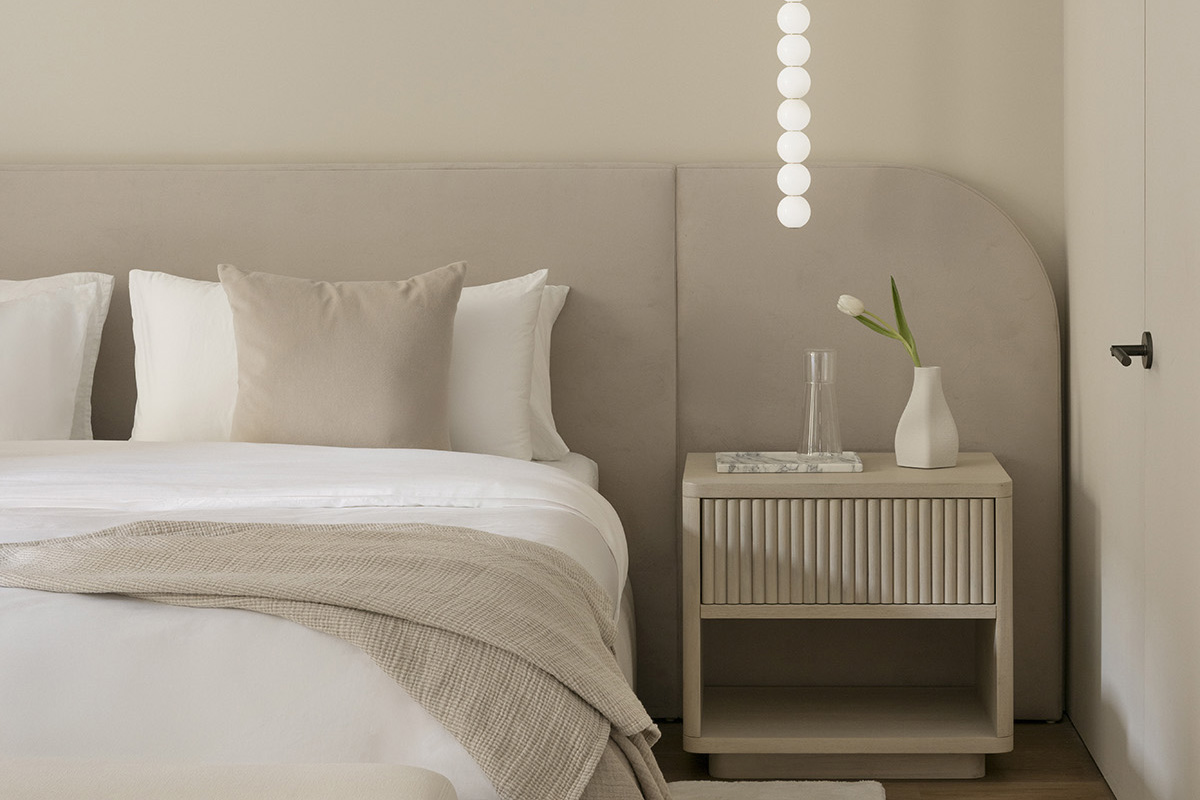
Tonal Interior Bedroom Design in Soft Neutrals
Warmth Through Restrained Color
Many modern and minimalist interiors rely heavily on white surfaces and highly restrained palettes. Introducing carefully controlled color can create a greater sense of comfort, depth, and warmth while preserving a modern aesthetic. You can add warmth while still expressing a strong strategy of restraint in the overall design. This can be achieved by strategically adding color. Adding color can often result in overdesigned spaces, common in postmodernism and deconstructivism, but when color is approached with sophisticated control, the results can be clean yet warm.
Neutral tones, mid-tone finishes, and even darker colors can create depth and atmosphere while still maintaining the clarity and simplicity of modern design. The goal is not reduction for its own sake but the thoughtful curation of color, material, and proportion. A strong design direction within a framework of restraint creates homes that feel personal, elevated, and enduring.
In the bedroom below, we used deeper neutral tones to create a more grounded and intimate feeling within the space. The dark wood furniture, warm brown wall color, and charcoal textiles introduce contrast while remaining within a controlled tonal palette. Rather than relying on all white to achieve simplicity or decorative excess for warmth, the room creates warmth through carefully balanced material and color relationships and a sense of restraint in the overall composition. This is an example of a great deal of thought going into making something appear simple. This philosophy, often referred to as Sprezzatura, is a theme we frequently introduce in our projects. I see Sprezzatura in home design as the pursuit of effortless elegance. Every material, proportion, and detail is carefully considered, yet the final result feels natural, calm, and inevitable.
The restrained palette of this bedroom allows the textures and tonal variation to become more pronounced. The contrast between the crisp white bedding, dark upholstered bed frame, warm painted walls, and stained wood surfaces creates a layered composition that feels calm and sophisticated. Even the darker tones contribute to the softness of the room because the colors remain muted and coordinated rather than visually aggressive.
This approach maintains the discipline and restraint associated with modern architecture while creating a more comfortable and emotionally warm environment. The result is a space that feels refined and contemporary without becoming cold or stark.
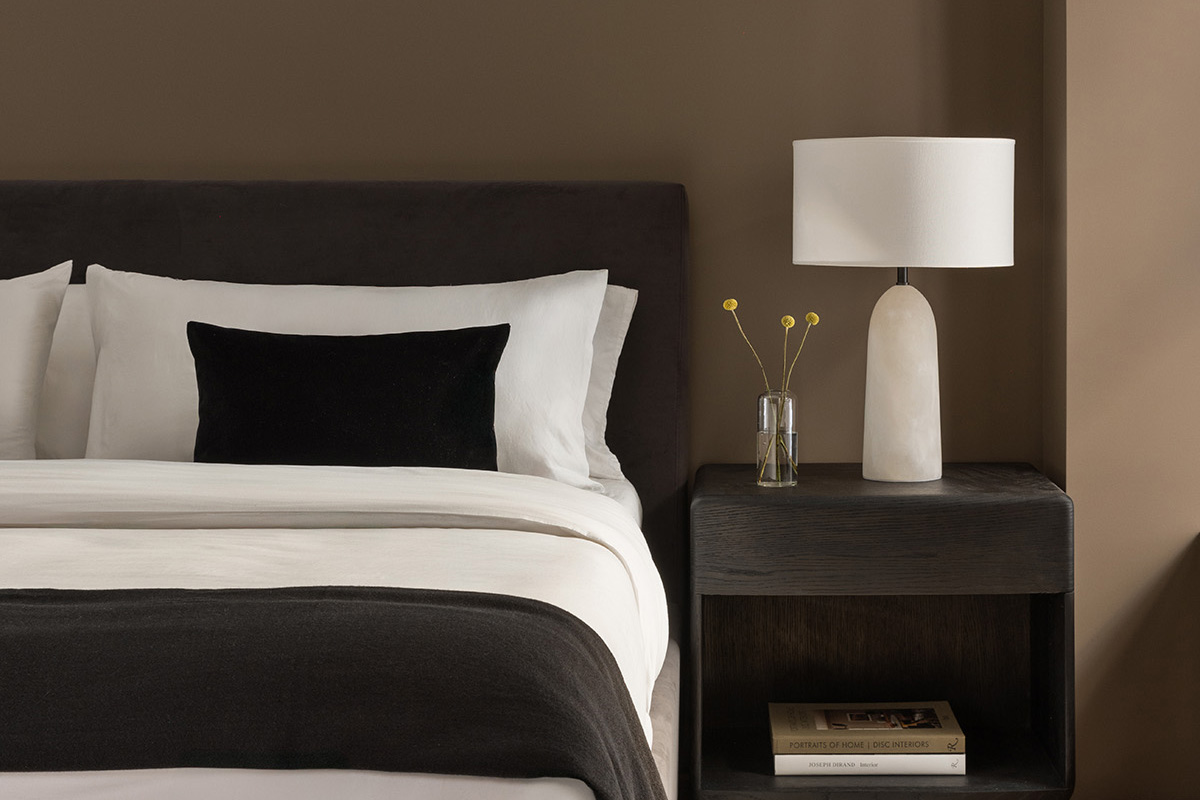
Mid and Dark Tone Neutral Bedroom Design
Natural Materials for Warmth
For most people, a home should feel like a home. Adding texture, tonal variation, and warm materials can elevate a modern interior, creating an environment that feels both refined and inviting.
We often incorporate natural materials to add warmth to the homes we design. Natural materials bring texture, depth, and subtle variation that can make a space feel more comfortable while maintaining a restrained modern aesthetic.
In the study below, we used white oak paneling throughout the room with minimal detailing. Simple reveals and finger pulls at drawers and cabinet doors are the primary details used throughout the built-in millwork. The space feels restrained and minimal, yet benefits from the inherent warmth of the wood walls and white oak flooring.
We further enhanced the sense of warmth and comfort by incorporating an upholstered daybed into the space. The combination of natural wood and soft textiles creates a balanced composition that feels both architectural and welcoming. The result is a room that maintains the simplicity of modern design while providing the warmth and comfort people often seek in their homes.
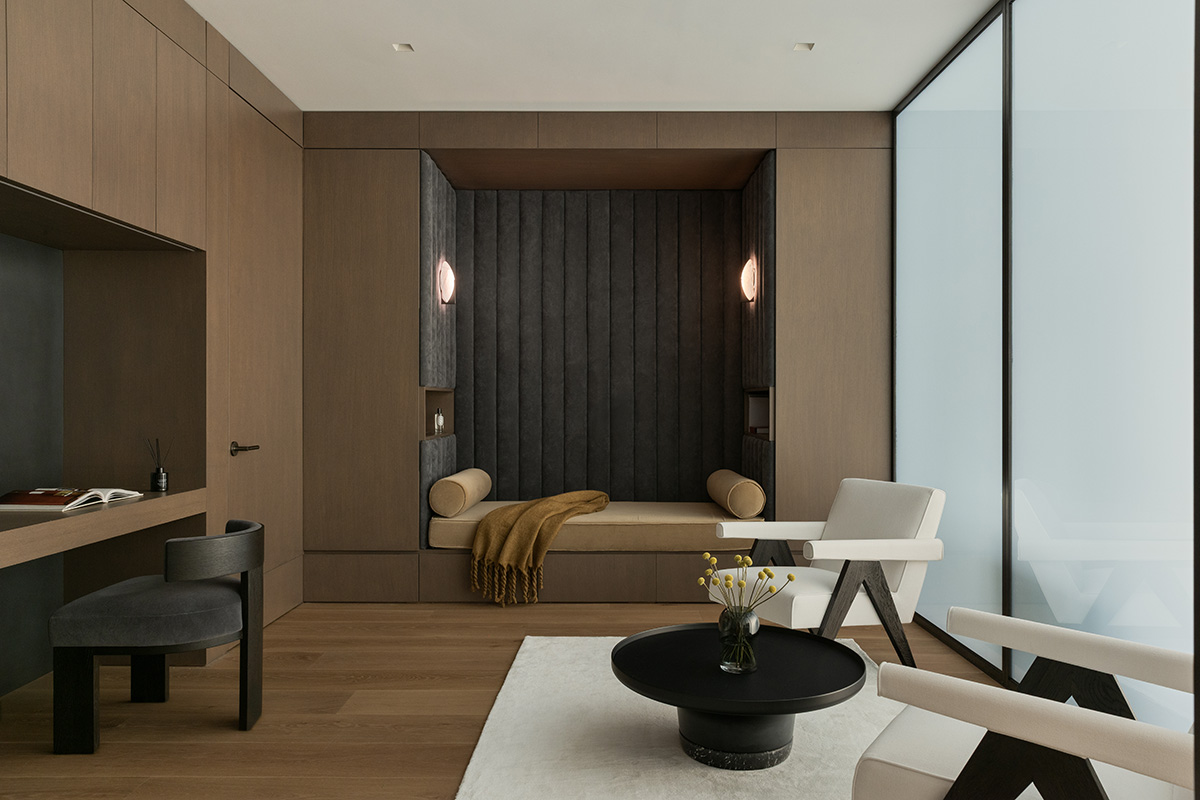
Warm Modern Home with Tone and Texture
Adding Texture and Visual Intrigue for Warmth
We often incorporate texture to create warmth in modern interiors. While color and material selection establish the overall palette of a space, texture adds depth, character, and visual interest. A room with carefully selected textures can feel rich and inviting even when the design remains restrained. The key is to balance subtlety and variation.
Many contemporary interiors rely on smooth painted drywall and highly uniform finishes. While simplicity can be elegant, too much uniformity can leave a space feeling flat. Introducing texture creates subtle variation that gives surfaces more presence and allows light to interact with the room in a more dynamic way.
In the powder room below, we used limewash walls and richly veined green marble to create warmth and visual intrigue. The limewash finish introduces movement, variation, and depth that would not be present with a standard painted wall. As light moves across the surface, the subtle variations in texture become more apparent, giving the room a softer and more layered appearance.
The custom integrated marble sink further enhances the composition. The dramatic veining of the stone introduces natural pattern and variation while remaining consistent with the restrained material palette. Because the marble is used as both the countertop and sink, the material reads as a singular architectural element rather than a decorative feature.
The combination of textured limewash, natural stone, and carefully controlled detailing creates a space that feels sophisticated and warm. The room remains minimal in its overall composition, yet the richness of the materials provides visual depth and a sense of permanence. This approach allows a modern interior to feel inviting without relying on ornament or excessive decoration.
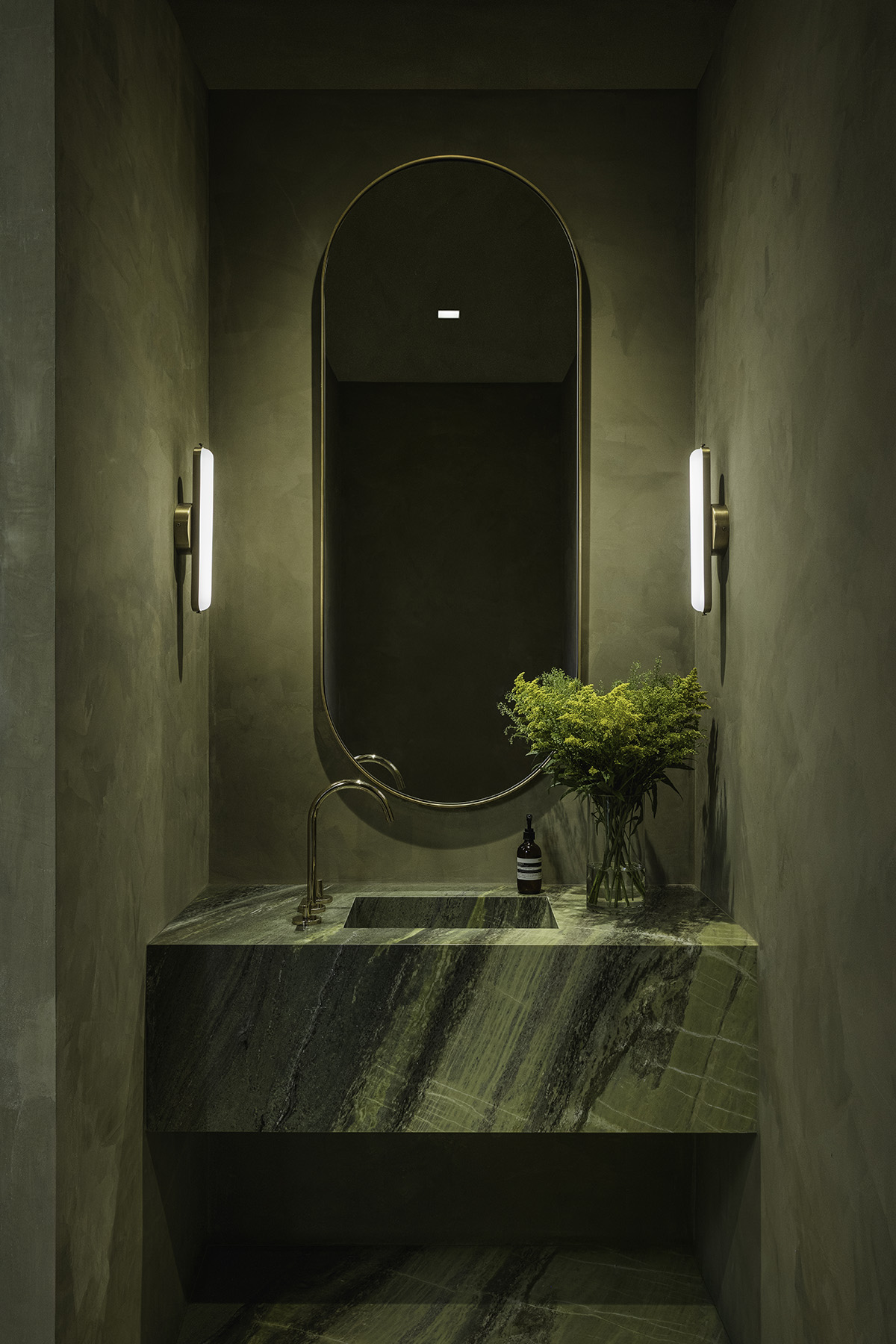
Modern Green Bathroom with Tone and Texture
Warmth Through Thoughtful Restraint
Creating warmth in modern homes does not require abandoning the principles of modern architecture. A restrained interior can still feel welcoming, comfortable, and deeply personal. The key is understanding that simplicity is not the absence of design but the result of careful decision-making.
Through tonal variation, restrained color palettes, natural materials, and layered textures, modern interiors can achieve warmth without sacrificing clarity. These elements create depth, visual interest, and a sense of comfort while maintaining the clean lines and disciplined compositions associated with modern design.
The most successful modern homes balance simplicity with richness. Materials, proportions, light, and subtle variation work together to create spaces that feel sophisticated, welcoming, and enduring. Warmth emerges through thoughtful restraint, where every decision contributes to a cohesive architectural vision.
At Fontan Architecture we design modern homes with a focus on thoughtful restraint, material richness, and highly personalized design. If you are planning a residential renovation or new home build and would like architectural guidance, our office can help you develop a home that is both refined and welcoming while carefully tailored to your needs and lifestyle.
Request a Consultation with Fontan Architecture - 212 321 0194
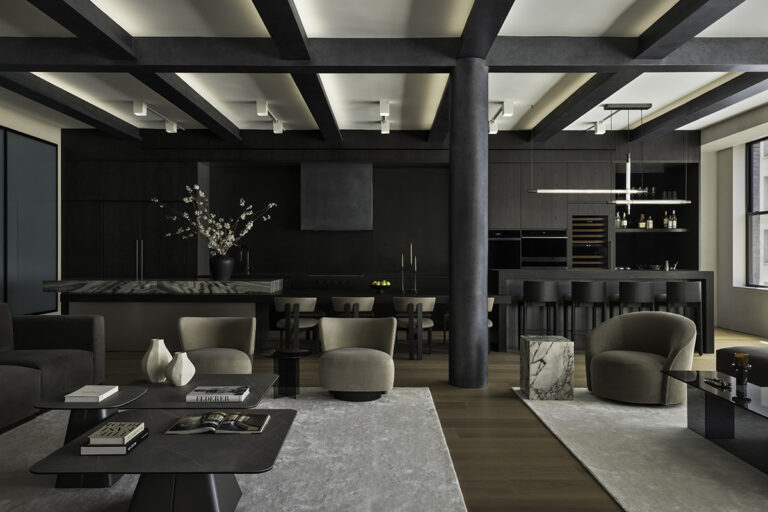
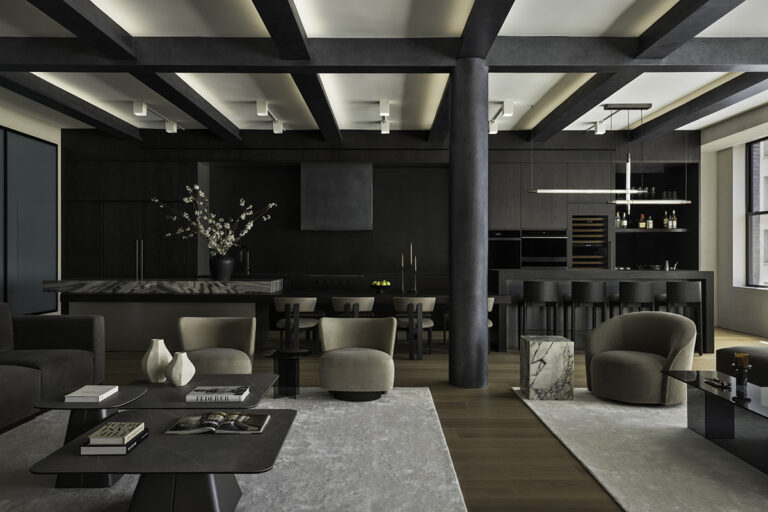
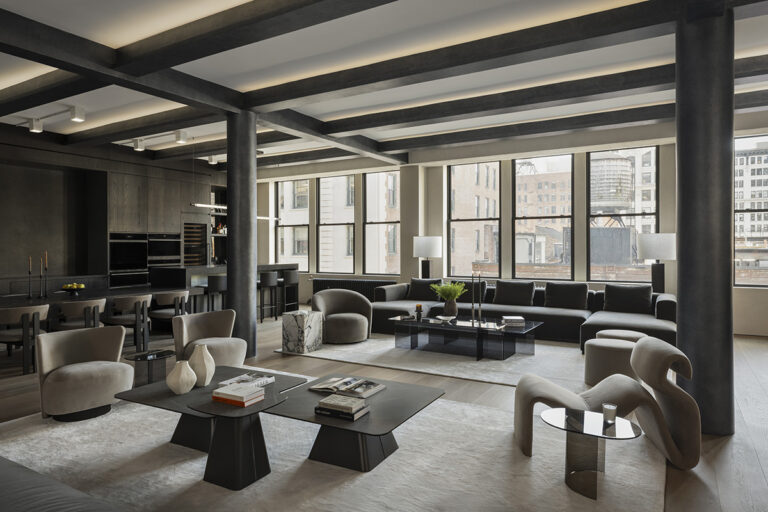
Jorge Fontan, AIA, is an architect and founder of Fontan Architecture based in New York City. The firm focuses on residential design, including new homes and extensive renovations for discerning clients. Through collaborative dialogue that draws on the individuality of each client, projects develop as distinct architectural responses guided by thoughtful planning, precise detailing, and a commitment to creating enduring value.
Jorge Fontan, AIA, is an architect and founder of Fontan Architecture based in New York City. The firm focuses on residential design, including new homes and extensive renovations for discerning clients. Through collaborative dialogue that draws on the individuality of each client, projects develop as distinct architectural responses guided by thoughtful planning, precise detailing, and a commitment to creating enduring value.