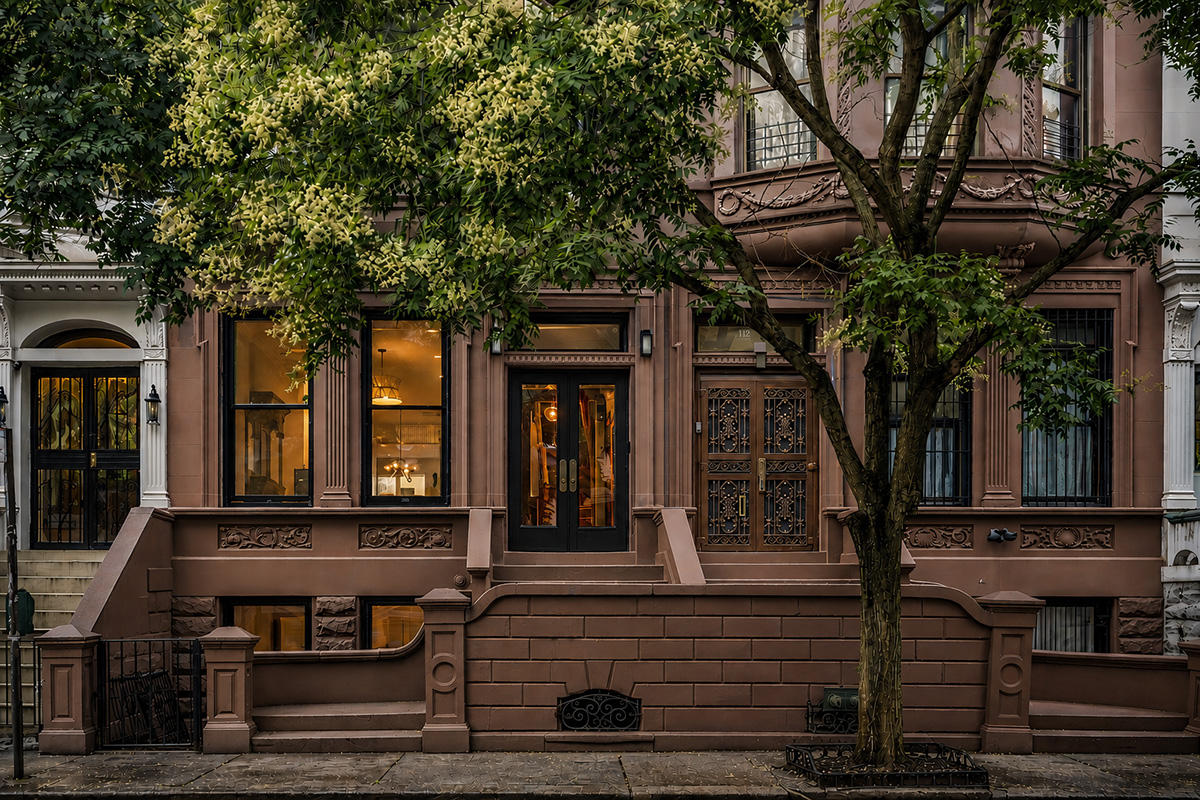
Harlem is home to one of New York City’s most significant collections of historic brownstones and townhouses. These homes are known for their architectural character, generous proportions, historic details, and enduring presence within some of the city’s most recognizable neighborhoods. Renovating a Harlem brownstone or townhouse often involves balancing historic preservation with modern living, requiring careful planning, technical expertise, and a comprehensive architectural approach.
Successful Harlem brownstone and townhouse renovations require architects who understand historic homes, residential design, complex renovations, regulatory approvals, and construction. A full-service architecture firm can guide projects from initial planning and design through approvals, construction documentation, and construction administration. This integrated approach helps homeowners navigate the complexities of renovating historic properties while creating homes tailored to the owners’ needs and contemporary lifestyles.
I am Jorge Fontan, owner of Fontan Architecture, a New York City-based architecture firm specializing in high-end residential renovations. Our work includes Harlem brownstones and townhouses, landmark properties, rooftop additions, rear extensions, and full-gut renovations. We provide full-service architectural services, including design, regulatory approvals, consultant coordination, construction documents, and construction administration. In this article, we discuss Harlem brownstones and townhouses, common renovation considerations, additions, landmark requirements, and the architectural process for transforming these historic homes.
Table of Contents
Renovating Harlem Brownstones and Townhouses
Harlem contains one of the city’s finest collections of historic brownstones and townhouses. Many of these homes were built in the mid to late nineteenth and early twentieth centuries and feature distinctive architectural details, masonry facades, high stoops, generous ceiling heights, and richly proportioned interior spaces. Renovating these properties requires an understanding of both historic architecture and contemporary construction standards. Successful projects balance preservation, modernization, and careful planning to create homes that support modern lifestyles while respecting the character of the original building.
At Fontan Architecture, we have worked on multiple townhouse and brownstone renovations in Harlem, including full-gut renovations, landmark projects, additions, and luxury residential interiors. Every project begins with an evaluation of the existing building, its structural systems, historic features, regulatory requirements, and the goals of the homeowners. This process helps establish a clear strategy for transforming the property while maintaining the qualities that make Harlem’s historic homes unique.
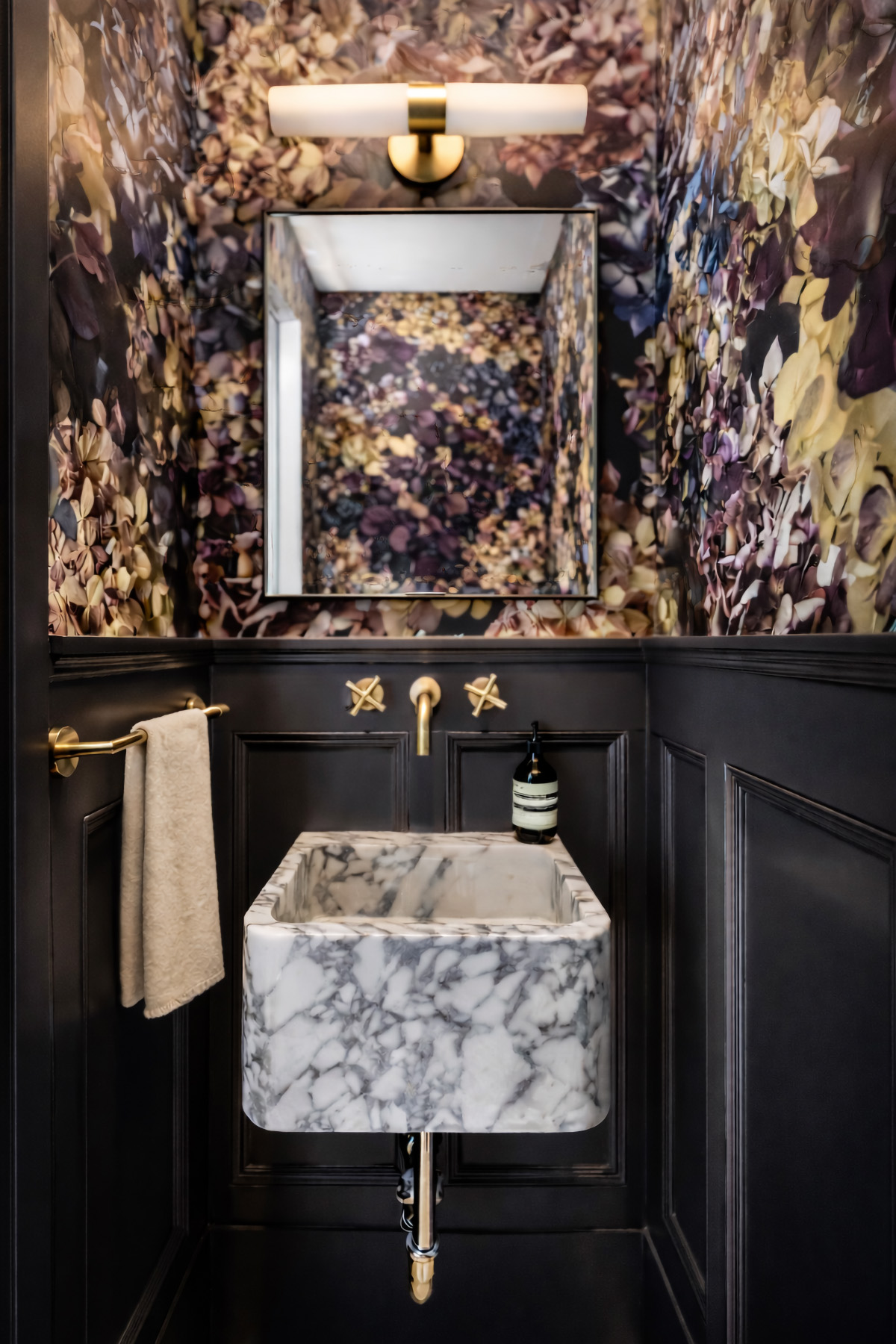
Harlem brownstone powder room with reclaimed wood paneling
Full-Gut Renovations
Many Harlem brownstones and townhouses benefit from comprehensive renovations that address the building as a whole. Full-gut renovations often involve replacing outdated mechanical, electrical, and plumbing systems, improving energy performance, reconfiguring layouts, and updating finishes throughout the home. These projects provide an opportunity to improve functionality while preserving significant architectural features.
A comprehensive renovation allows the entire house to be considered as a unified design rather than a collection of individual improvements. This approach often results in better circulation, improved natural light, enhanced storage, and a more cohesive relationship between historic architecture and contemporary living.
Restoring Historic Architectural Details
One of the first design questions we discuss with our clients is whether to keep and restore original details or replace them with newer versions or modern alternatives.
Historic details contribute significantly to the character and value of brownstones and townhouses. Original moldings, staircases, woodwork, fireplaces, doors, and decorative plasterwork often become focal points within a renovation. Preserving and restoring these elements helps maintain the architectural integrity of the home while creating a connection to its history.
Restoration work may involve repairing existing features, reproducing missing details, refinishing historic materials, or integrating restored elements into a broader renovation. Careful attention to these details can significantly enhance the overall quality and authenticity of the finished project.
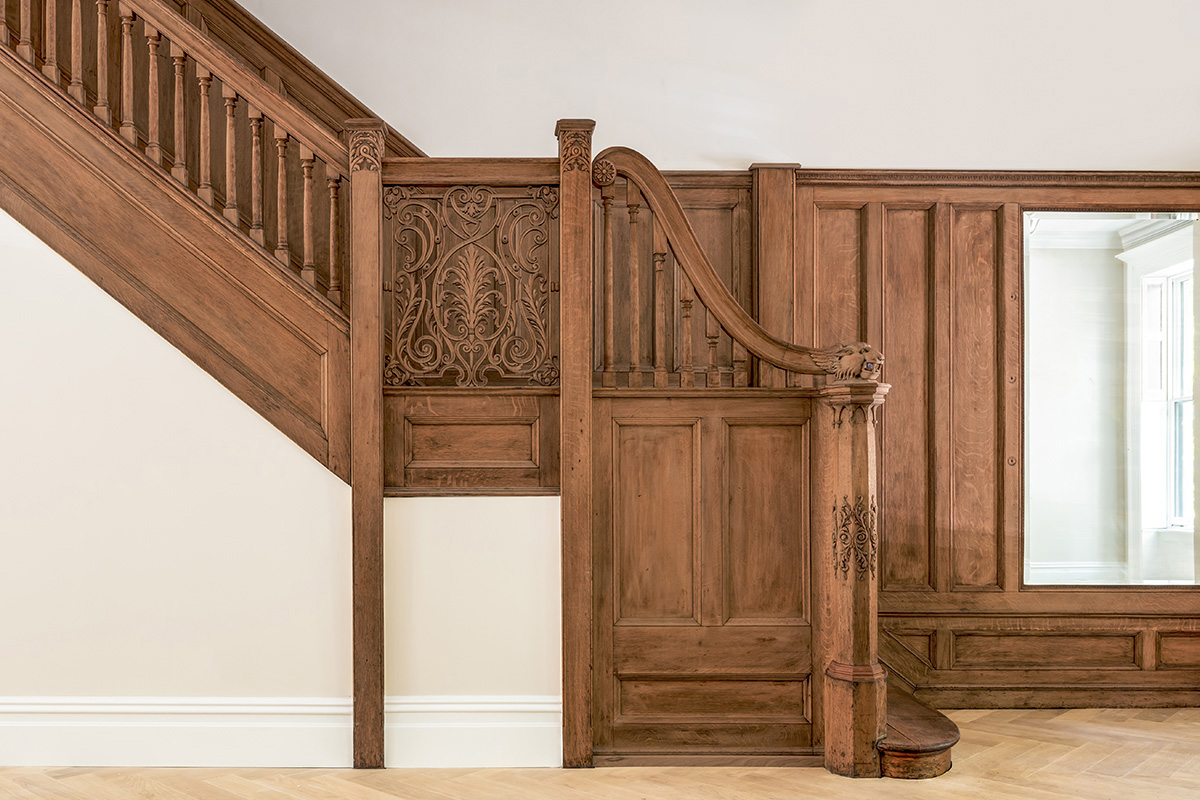
Restored stair and banister in a brownstone
Structural Alterations and Reconfiguration
Structural modifications are often an important component of townhouse and brownstone renovations. Homeowners frequently seek to open spaces, improve circulation, connect floors more effectively, or create larger living areas. Achieving these goals may require the removal or modification of structural elements and the introduction of new framing systems.
Structural alterations require careful planning, engineering coordination, and detailed construction documentation. These modifications can dramatically improve how a home functions while maintaining the integrity and long-term performance of the building. When executed thoughtfully, structural reconfiguration can transform a historic townhouse into a highly functional contemporary residence while preserving its architectural character.
There are a few common upgrades people often consider for their brownstones that require significant structural work. Currently, we are designing a major townhouse gut renovation in Harlem that includes a new elevator, an addition, and a roof deck, all of which require significant structural work.
Modernizing Historic Homes for Contemporary Living
Many historic homes were designed for lifestyles that differ substantially from those of today. Renovations frequently focus on creating more open and functional living spaces while improving comfort, convenience, and performance. Kitchens, bathrooms, primary suites, and family spaces are often redesigned to better support contemporary living.
Modernization may also include upgrades to building systems, improved insulation, enhanced lighting, smart home technology, and better connections between indoor and outdoor spaces. The goal is to create a home that functions exceptionally well for its owners while retaining the architectural qualities that make historic Harlem properties distinctive. In a Harlem brownstone renovation, we redesigned the kitchen as part of a larger gut renovation. The new kitchen uses natural wood cabinetry and integrated detailing to create a warm, contemporary space that complements the character of the historic home.
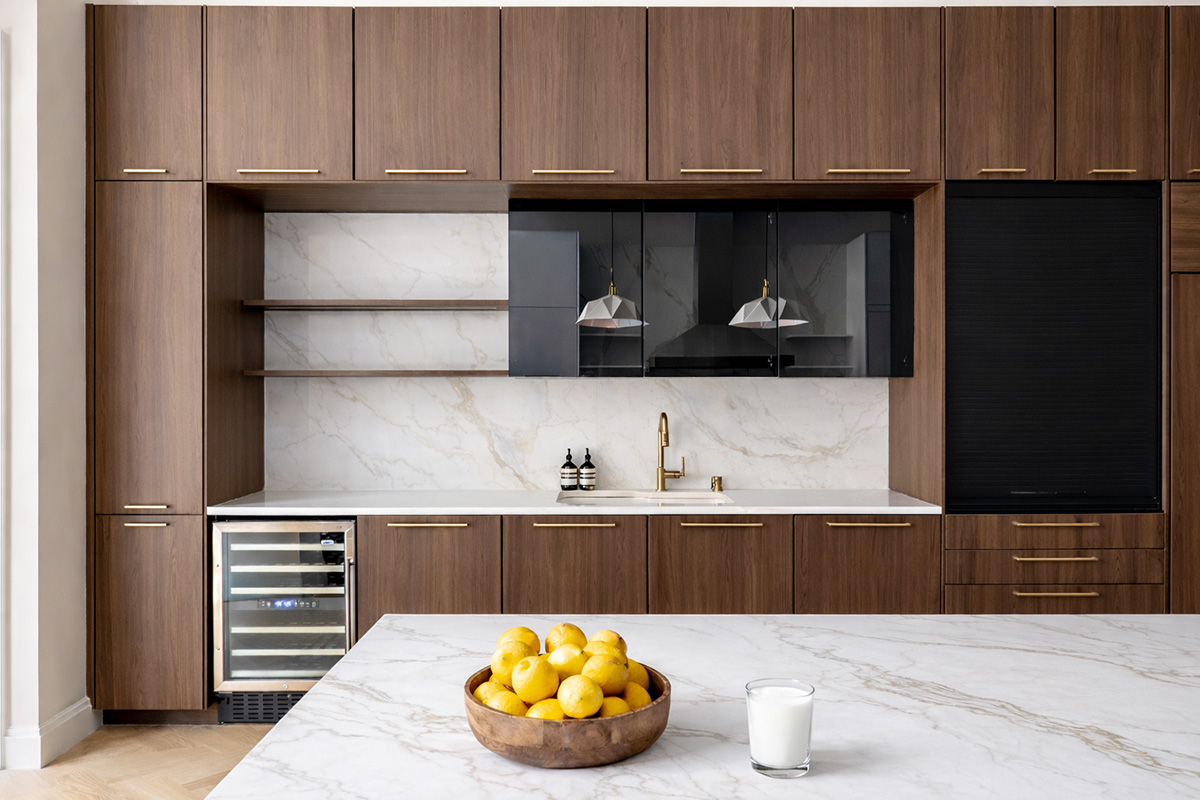
Elegant modern brownstone kitchen
Landmark Brownstone Renovations in Harlem
Harlem contains numerous historic districts and landmark properties that contribute to the architectural character of the neighborhood. Many of Harlem’s most notable brownstones and townhouses are located within designated historic districts, where alterations are subject to review by the Landmarks Preservation Commission (LPC). Renovating a landmark property requires a thoughtful balance between historic preservation and contemporary living, ensuring that improvements respect the architectural significance of the building while meeting the needs of modern homeowners.
We have worked on numerous brownstones and townhouses in Harlem, including homes within the Mount Morris Park Historic District that involved substantial restoration work and additions. Successful landmark projects require careful planning, a clear understanding of regulatory requirements, and a design approach that integrates new work with the historic character of the home.
Harlem Historic Districts and Landmark Properties
Harlem is home to a variety of historic districts that contain some of New York City’s most significant collections of brownstones and townhouses. These neighborhoods feature distinctive architectural styles, masonry facades, decorative ornamentation, stoops, and historic streetscapes that contribute to their character and identity.
Owning a landmark property carries both opportunities and responsibilities. Historic designation helps preserve the architectural quality of the neighborhood while requiring that work on these homes be reviewed and approved by LPC. Understanding these requirements is an important part of planning a renovation and establishing realistic project goals.
Landmarks Preservation Commission Approvals
The New York City Landmarks Preservation Commission reviews proposed changes to designated landmark properties and buildings located within historic districts. Depending on the scope of work, approvals will be required for facade restorations, window replacements, rooftop additions, rear yard additions, entrance modifications, and even interior renovations.
The approval process typically involves preparing architectural drawings, photographs, material information, and presentations that demonstrate how the proposed work relates to the historic building. A successful application clearly communicates the design intent while addressing preservation objectives and regulatory requirements. Early planning and coordination can help streamline the review process and support a successful project outcome.
Brownstone Restorations
Restoration is often a central component of landmark brownstone renovations. Many Harlem brownstones retain significant historic features that contribute to both their architectural character and long-term value. Restoration work may include masonry repairs, brownstone facade restoration, stoop reconstruction, ornamental detail restoration, window replacement, and repairs to historic architectural elements.
A successful restoration respects the original design of the building while improving durability and performance. The goal is to preserve the architectural qualities that define the home while ensuring that the property continues to serve future generations. Careful restoration work can strengthen historic character and contribute to the overall quality of a comprehensive brownstone renovation.
Additions to Harlem Brownstones and Townhouses
Many brownstones and townhouses in Harlem offer opportunities to increase living space through carefully planned additions. Expanding a historic home can improve functionality, create larger living areas, add bedrooms, enhance connections to outdoor spaces, and increase the overall value of the property. Additions require a thorough understanding of zoning regulations, building codes, structural systems, and, where applicable, landmark requirements.
Successful additions respect the scale and character of the existing building while creating spaces that meet the needs of contemporary homeowners. Whether the goal is a rear yard extension, a rooftop addition, or a comprehensive expansion strategy, thoughtful design and careful planning are essential to achieving a successful outcome.
Rear Yard Extensions
Rear yard extensions are among the most common ways to increase the living space of brownstones and townhouses. Extensions can create larger kitchens, family rooms, dining areas, and other gathering spaces while strengthening the connection between the home and the rear garden.
Designing a rear extension requires consideration of zoning regulations, lot conditions, structural requirements, natural light, and the relationship between the addition and the existing building. A well-designed extension should feel integrated with the original architecture while providing meaningful improvements to the functionality and livability of the home.
Landmark Considerations for Additions
Many Harlem brownstones and townhouses are located within historic districts or are designated landmark properties. Additions to these buildings typically require review and approval by the New York City Landmarks Preservation Commission. The design process must consider how new construction relates to the historic building and the surrounding streetscape.
Landmark review often evaluates factors such as visibility, scale, materials, proportions, and compatibility with the historic character of the property. Successful additions respect the architectural significance of the original structure while clearly accommodating contemporary needs. Early planning, careful design, and a thorough understanding of landmark requirements can help support a successful approval process and project outcome.
Rooftop Additions
Rooftop additions can provide significant new living space while preserving valuable outdoor areas at ground level. Depending on zoning conditions and landmark considerations, rooftop additions may accommodate new bedrooms, home offices, recreation spaces, or complete additional floors of living area.
The design of a rooftop addition must address structural capacity, building code requirements, access, massing, and visibility. For historic properties, additions are often designed to remain visually subordinate to the original building when viewed from the public way. Thoughtful rooftop additions can substantially increase the size and utility of a home while maintaining its architectural character.
One strategy we have employed on a Harlem landmark brownstone was to locate a rooftop addition within the center third of the roof rather than extending the addition across the entire rooftop. This approach allowed the creation of both front and rear roof terraces while preserving open outdoor space on either side of the new addition. We also designed a stair connecting the roof level of the addition to a third rooftop terrace above, creating a multi-level outdoor experience with expanded views across Harlem and Manhattan. By carefully balancing interior expansion with outdoor living space, the project provided additional square footage while creating multiple distinct terraces that enhanced the overall functionality and enjoyment of the home.
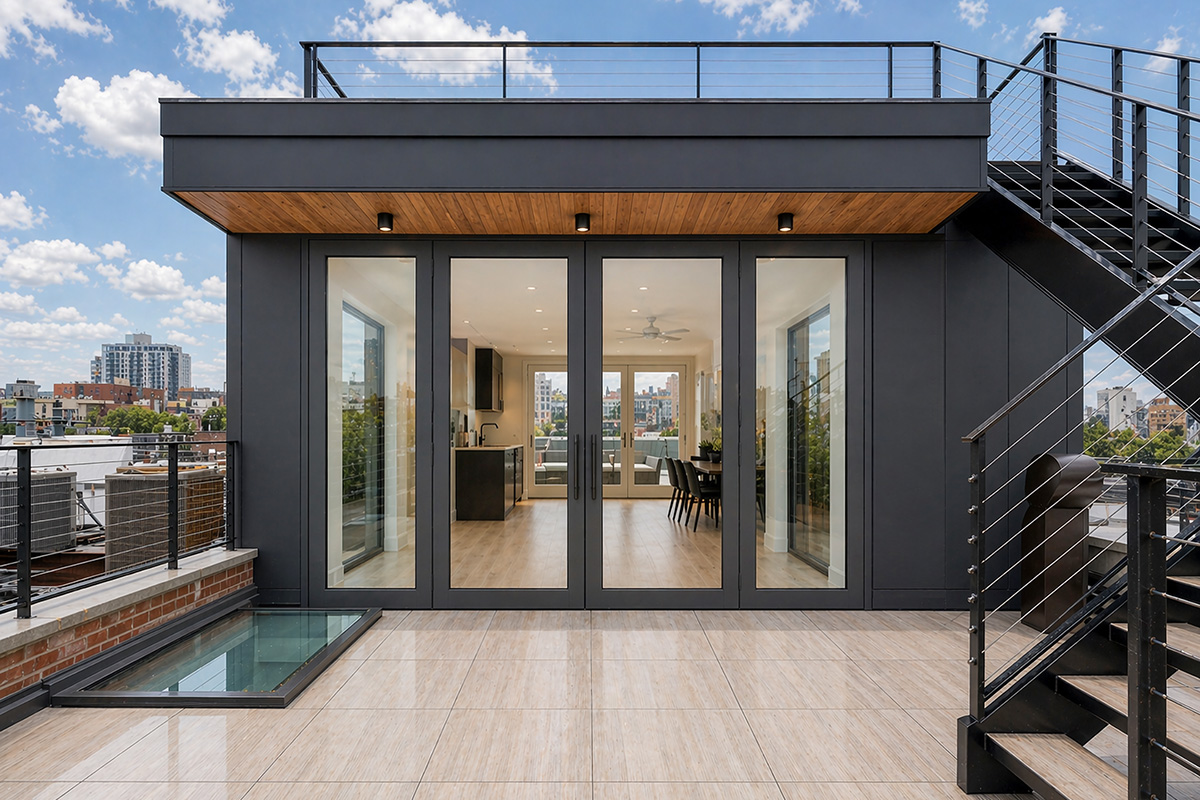
Harlem brownstone rooftop addition
Full Service Architecture Firm Harlem NY Projects
Successful townhouse and brownstone renovation projects involve planning, rigorous design, regulatory approvals, technical documentation, consultant coordination, and oversight during construction. A full-service architectural approach helps create continuity throughout the process, allowing design decisions, technical requirements, and construction execution to be coordinated as part of a comprehensive strategy.
As a full-service architectural firm working on Harlem townhouse and brownstone projects, our work includes architectural and interior design, regulatory approvals, consultant coordination, construction documentation, and construction administration. This integrated approach helps guide projects from the earliest planning stages through project completion.
Architectural Design
Architectural design establishes the vision and framework for a successful renovation. The design process begins with understanding the goals of the homeowners, evaluating the existing building, and identifying opportunities to improve functionality, aesthetics, and overall quality. Design decisions influence everything from floor plans and circulation patterns to materials, detailing, and the relationship between historic and contemporary elements.
For our brownstone and townhouse renovations, architectural design begins with understanding the goals of the homeowners. Some clients prefer a true restoration of the original architecture, while others seek a complete interior modernization. Many projects incorporate elements of both approaches. We work closely with our clients to determine the design direction that is best suited to their goals, lifestyle, and home.
Every family lives differently, and a successful renovation begins with understanding how the homeowners want to use their home. Our design process involves working closely with clients to identify their goals, priorities, routines, and aesthetic preferences. These conversations inform decisions ranging from overall layout and circulation to the design of individual rooms, custom millwork, storage solutions, materials, color palettes, and architectural details. Rather than applying a predetermined design style, we develop solutions tailored to the specific needs and aspirations of each client. This collaborative approach helps create homes that are both highly personal and carefully crafted, reflecting the people who live there while enhancing the character of the historic brownstone or townhouse.
As part of a full-gut renovation of a Harlem brownstone, we designed a new primary bathroom featuring a freestanding tub, custom wood paneling, and carefully detailed finishes tailored to the homeowners’ preferences.

Harlem brownstone luxury bathroom design
Regulatory Approvals
Most renovation projects require approvals from one or more regulatory agencies before construction can begin. Depending on the scope of work and the location of the property, approvals may involve the New York City Department of Buildings, the Landmarks Preservation Commission, or other governmental agencies.
Obtaining approvals requires careful preparation of drawings, applications, supporting documentation, and coordination with reviewers. Early consideration of regulatory requirements helps establish realistic project schedules and supports a smoother path toward construction.
Construction Documents
Construction documents communicate the design to contractors, consultants, and regulatory agencies. These drawings and specifications provide the technical information necessary to obtain permits, solicit bids, and construct the project.
Comprehensive construction documents help define the scope of work, coordinate building systems, resolve technical conditions, and establish quality expectations. Clear documentation contributes to better pricing, more accurate construction, and improved project coordination.
Consultant Coordination
Many Harlem townhouse and brownstone renovations require collaboration among multiple professionals. Structural engineers, mechanical engineers, expeditors, specialty consultants, and contractors often contribute to the successful execution of a project.
Architects play an important role in coordinating these disciplines and integrating their work into a unified design. Effective consultant coordination helps identify potential conflicts, maintain project goals, and support efficient project delivery.
Construction Administration
Construction administration provides ongoing architectural involvement during construction. This phase typically includes site visits, review of contractor questions, evaluation of shop drawings and submittals, coordination with the construction team, and monitoring progress relative to the design intent.
For complex brownstone and townhouse renovations, construction administration helps support quality control and project coordination throughout the building process. Architectural involvement during construction can help address unforeseen conditions, facilitate decision-making, and promote a successful project outcome.
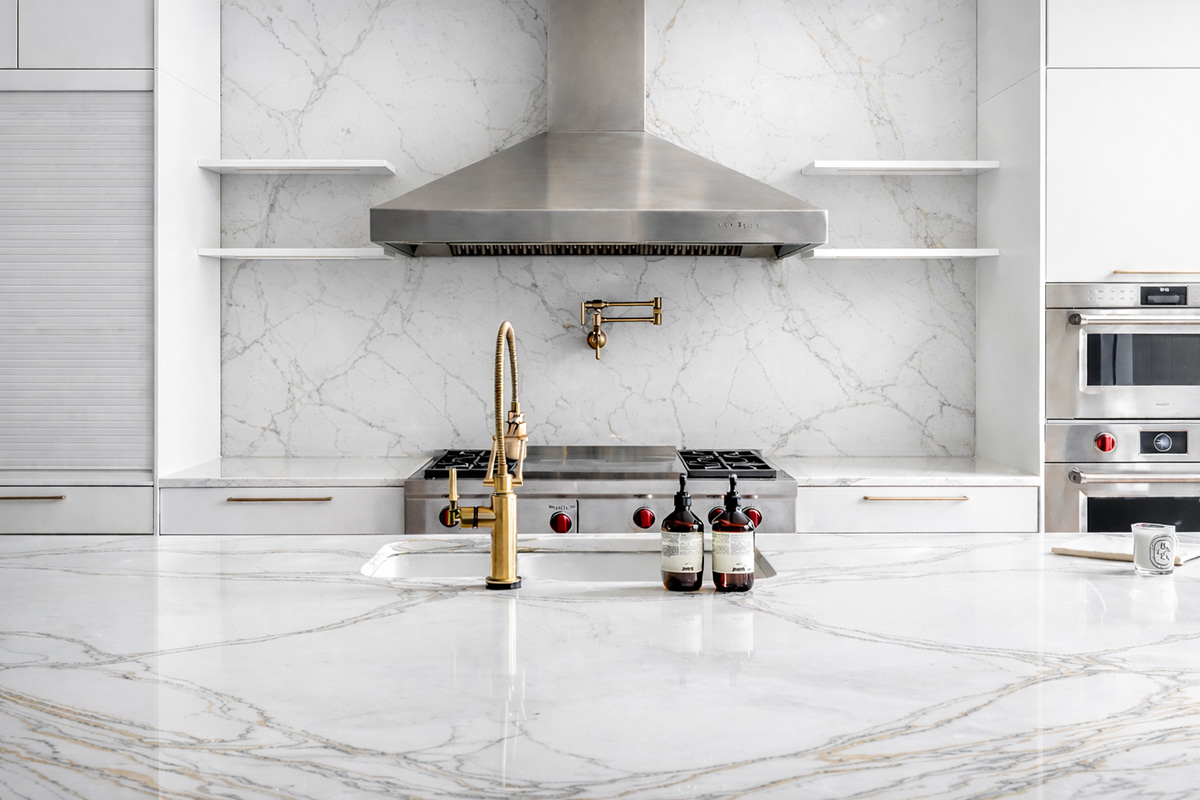
Modern luxury brownstone kitchen with brass accents
Choosing a Harlem Brownstone Architect
Harlem brownstones and townhouses are among New York City’s most distinctive residential properties. Renovating these historic homes requires an understanding of architecture, construction, preservation, regulatory approvals, and the unique characteristics of Harlem’s building stock. Whether the project involves a full-gut renovation, a landmark restoration, a rooftop addition, or a comprehensive modernization, success depends on thoughtful planning and experienced professional guidance.
An architect plays a central role in coordinating the many aspects of a renovation, from design and approvals through construction. Experience with historic homes, familiarity with local regulations, and a comprehensive approach to project delivery can help homeowners navigate the complexities of renovating a brownstone or townhouse while achieving their goals for the property.
At Fontan Architecture, we have experience renovating Harlem brownstones and townhouses, including landmark properties, additions, and full-gut renovations. As a full-service architecture firm working in Harlem and throughout New York City, we provide architectural design, regulatory approvals, construction documentation, consultant coordination, and construction administration for high-end residential projects. If you are considering a renovation, restoration, or addition to a Harlem brownstone or townhouse, we would be happy to discuss your project.
Request a Consultation with Fontan Architecture - 212 321 0194
Jorge Fontan, AIA, is an architect and founder of Fontan Architecture based in New York City. The firm focuses on residential design, including new homes and extensive renovations for discerning clients. Through collaborative dialogue that draws on the individuality of each client, projects develop as distinct architectural responses guided by thoughtful planning, precise detailing, and a commitment to creating enduring value.
Jorge Fontan, AIA, is an architect and founder of Fontan Architecture based in New York City. The firm focuses on residential design, including new homes and extensive renovations for discerning clients. Through collaborative dialogue that draws on the individuality of each client, projects develop as distinct architectural responses guided by thoughtful planning, precise detailing, and a commitment to creating enduring value.